
Sterilizing Drying Oven: A Comprehensive Guide
A sterilizing drying oven is an essential piece of equipment in a variety of scientific and industrial settings. From laboratories conducting research to manufacturing facilities ensuring product quality, these ovens provide a controlled environment for both removing moisture and eliminating contaminants. This article will provide a detailed overview of sterilizing drying ovens, covering their principles, applications, key features, and how to select the right oven for your specific needs. Understanding these factors is crucial for ensuring reliable results and maintaining the integrity of your materials.
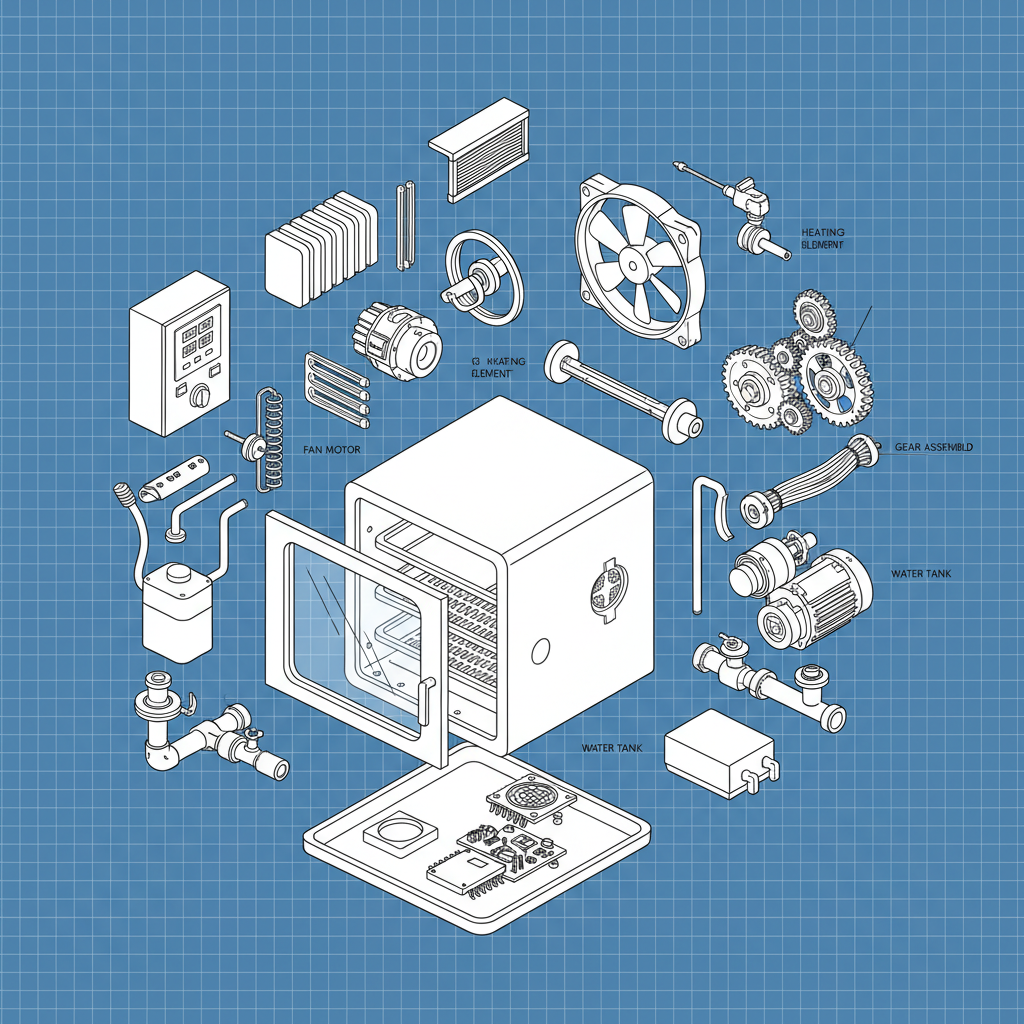
Understanding the Principles of Sterilizing Drying Ovens
Sterilizing drying ovens operate on the principle of applying controlled heat to evaporate moisture and kill microorganisms. The combination of dry heat and prolonged exposure times effectively sterilizes items by denaturing proteins and disrupting cellular processes. Unlike autoclaves, which use steam, drying ovens achieve sterilization through a completely dry process. This makes them ideal for materials that are sensitive to moisture or cannot withstand the high pressure of autoclaving. The temperature range and duration of the sterilization cycle are carefully calibrated to ensure complete decontamination without damaging the items being processed. Different materials require different temperature settings and exposure times for optimal results.
Key Considerations: Accurate temperature control, uniform heat distribution, and proper ventilation are crucial for effective sterilization and drying. Regularly calibrating the oven and monitoring temperature fluctuations are essential for maintaining reliable performance.
Common Applications of Sterilizing Drying Ovens
The versatility of sterilizing drying ovens extends to a wide range of applications. In pharmaceutical and biotechnology industries, they are used for sterilizing glassware, metal instruments, and empty vials. In food processing, they're employed to dry and sterilize packaging materials. Research laboratories rely on them for drying reagents, sterilizing culture media, and preparing samples for analysis. Furthermore, they are critical in electronics manufacturing for drying printed circuit boards and removing moisture from sensitive components. Their consistent performance and reliable sterilization capabilities make them indispensable tools across numerous sectors.
Application Areas:
• Pharmaceutical Industry
• Food Processing
• Research Laboratories
• Electronics Manufacturing
Key Features to Consider When Selecting a Sterilizing Drying Oven
When choosing a sterilizing drying oven, several key features should be carefully considered. Precise temperature control and uniformity are paramount, ensuring consistent sterilization throughout the chamber. Digital displays and programmable controllers allow for easy setting and monitoring of temperature and time. A robust forced convection system ensures even heat distribution, minimizing hot spots. Safety features, such as over-temperature protection and door interlocks, are crucial for preventing accidents. The chamber size and material should also be chosen based on the types and quantities of items being processed. Finally, consider features like data logging and remote monitoring for enhanced process control and traceability.
Sterilizing Drying Oven vs. Autoclave: A Comparative Overview
Both sterilizing drying ovens and autoclaves are used for sterilization, but they employ different methods and are suitable for different applications. Autoclaves utilize high-pressure steam to kill microorganisms, making them ideal for materials that can withstand these conditions. Drying ovens, as previously discussed, use dry heat. Autoclaves are generally faster and more effective for sterilizing liquids and materials that are penetrable by steam. Drying ovens, however, are better suited for materials that are sensitive to moisture or cannot be effectively sterilized with steam. The choice between the two depends on the specific requirements of the sterilization process.
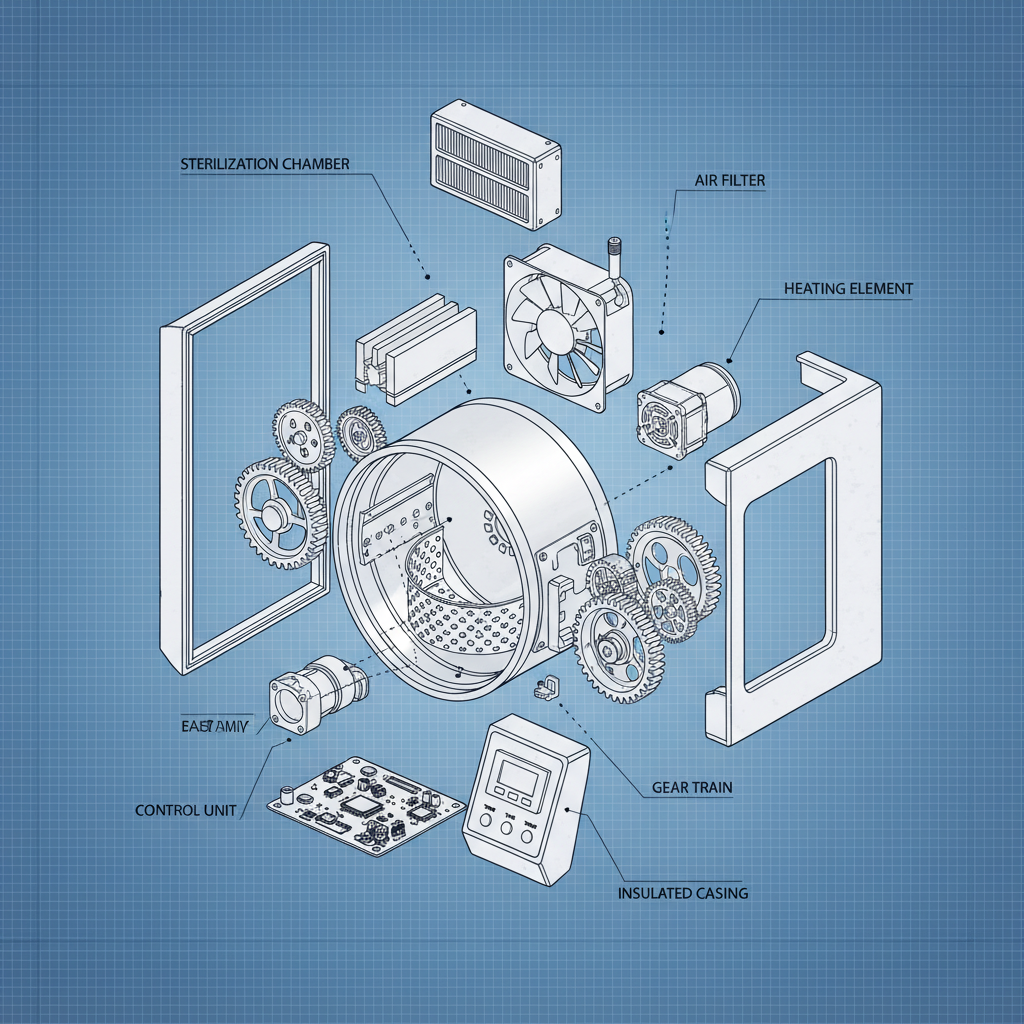
Choosing the Right Sterilizing Drying Oven: Specifications and Considerations
Selecting the appropriate sterilizing drying oven requires careful consideration of your specific needs. Factors like chamber capacity, temperature range, heating rate, and temperature uniformity should all be evaluated. Ensure the oven meets the relevant industry standards and certifications. Consider the power requirements and available space in your laboratory or facility. Furthermore, look for ovens that offer features like programmable controllers, data logging, and alarm systems for enhanced process control and safety. Finally, choose a reputable supplier that provides reliable after-sales service and support.
Conclusion: Investing in a Reliable Sterilizing Drying Oven
A high-quality sterilizing drying oven is a crucial investment for any organization requiring reliable sterilization and drying capabilities. By carefully considering your specific needs and choosing an oven with the appropriate features and specifications, you can ensure consistent results, maintain product quality, and protect your personnel. Don’t hesitate to consult with experts at CZ Lab Instrument to find the perfect solution for your application.
Frequently Asked Questions (FAQs)
What is the typical sterilization cycle time for a drying oven?
The sterilization cycle time varies depending on the temperature, the type of material being sterilized, and the specific oven model. Generally, drying ovens operate at temperatures between 160°C and 180°C (320°F to 356°F) for a minimum of two hours to ensure complete sterilization. However, some applications may require longer cycles. It’s critical to follow the manufacturer's guidelines and validate the sterilization process to confirm its effectiveness. Factors such as the volume of material and chamber loading can also impact cycle time.
How often should a sterilizing drying oven be calibrated?
Regular calibration is essential to ensure the accuracy and reliability of the oven's temperature control. Most manufacturers recommend calibrating sterilizing drying ovens at least annually, or more frequently if the oven is used heavily or if discrepancies are suspected. Calibration should be performed by a qualified technician using certified temperature standards. Maintaining accurate temperature control is critical for effective sterilization and for meeting regulatory requirements.
Can I sterilize liquids in a drying oven?
Generally, sterilizing drying ovens are not suitable for sterilizing liquids. The dry heat can cause the liquid to evaporate, potentially leading to inaccurate results or damage to the oven. Autoclaves are the preferred method for sterilizing liquids, as they utilize steam under pressure, which effectively kills microorganisms without causing evaporation. However, certain specialized drying ovens designed for specific liquid applications may exist, but these are not typical.
What safety precautions should be taken when operating a sterilizing drying oven?
Always wear appropriate personal protective equipment (PPE), such as heat-resistant gloves and eye protection, when operating a sterilizing drying oven. Ensure the oven is properly ventilated and located in a safe area, away from flammable materials. Never open the oven door during the sterilization cycle. Be cautious when removing hot items from the oven to avoid burns. Familiarize yourself with the oven's safety features, such as over-temperature protection and door interlocks.
Related Posts
-
The Digital Marshall Stability Tester Revolutionizing Road and Infrastructure Quality
-
Comprehensive Guide to Soil Proctor Compaction Test Apparatus and Applications
-
Bitumen Marshall Compactor Impact on Global Road Infrastructure Development
-
Optimizing Construction with Advanced Soil Compaction Tester Technology