
Comprehensive Guide to the 1200 Degree Muffle Furnace Applications and Benefits
Understanding the 1200 Degree Muffle Furnace: Applications and Benefits
The 1200 Degree Muffle Furnace is a critical piece of equipment across a diverse range of industries, from materials science and ceramics to heat treatment and analytical testing. This furnace offers a controlled high-temperature environment ideal for processes requiring precise thermal regulation. This article will delve into the functionality, applications, key features, and benefits of a 1200°C muffle furnace, providing a comprehensive overview for researchers, engineers, and procurement professionals. Selecting the right furnace is vital for reliable and accurate results.
What is a 1200 Degree Muffle Furnace?
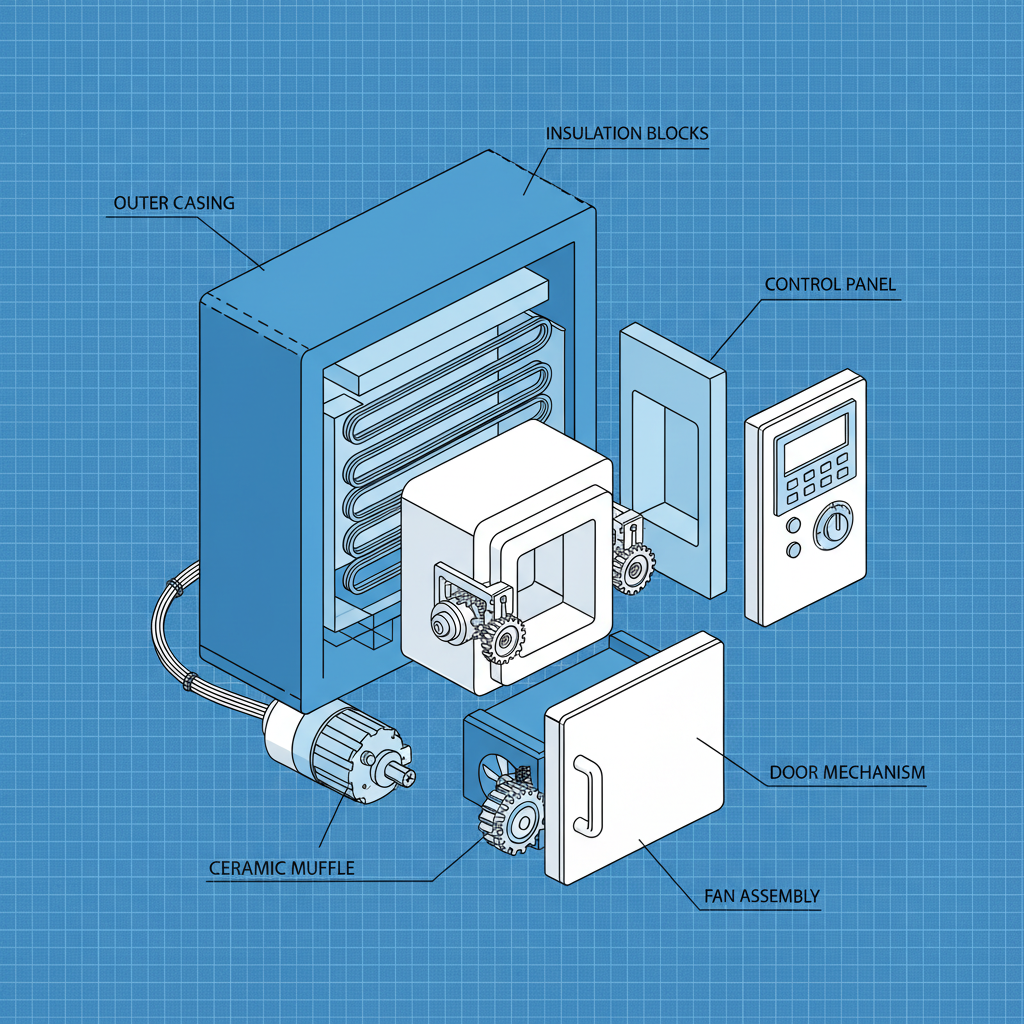
A muffle furnace is a front-loading, high-temperature furnace typically used for heating materials to temperatures up to 1200°C (and beyond, depending on the model). The term "muffle" refers to the furnace's construction, where the heating elements are encased within a layer of refractory material. This design minimizes direct contact between the heating elements and the sample, preventing contamination and ensuring uniform heat distribution. The CZLab muffle furnace are engineered for both precision and durability, making them suitable for rigorous laboratory and industrial applications.
Key Highlights: Offers excellent temperature uniformity, minimizing variations across the chamber. Provides protection for samples from direct contact with heating elements, preventing contamination. Suitable for a wide range of materials processing and analytical applications.
Key Applications of a 1200 Degree Muffle Furnace
The versatility of a 1200°C muffle furnace makes it invaluable in several sectors. In materials science, it is used for sintering ceramics, firing powders, and conducting thermal analysis. The chemical industry utilizes it for ash content determination, calcination, and preparation of catalysts. Metallurgical applications include heat treating, annealing, and melting small quantities of metal. Academic institutions rely on these furnaces for research and educational purposes. Furthermore, environmental testing labs use them for soil analysis and waste incineration studies. Essentially, any process needing controlled high-temperature treatment benefits from a properly selected muffle furnace.
Application Areas:
• Materials Science: Sintering, Firing, Thermal Analysis
• Chemical Industry: Ash Determination, Calcination, Catalyst Preparation
• Metallurgy: Heat Treating, Annealing
• Environmental Testing: Soil Analysis, Waste Incineration
1200 Degree Muffle Furnace vs. Other Furnace Types: A Comparison
While various furnace types are available, the 1200°C muffle furnace holds a distinct position. Compared to tube furnaces, muffle furnaces offer larger chamber volumes, making them suitable for processing more substantial samples. Unlike box furnaces, muffle furnaces provide superior temperature uniformity and faster heating rates due to their enclosed design and efficient insulation. Compared to crucible furnaces, the muffle furnace's chamber allows for more versatile sample handling. Choosing the appropriate furnace depends on specific application requirements, but for many high-temperature processes, the muffle furnace remains the optimal solution. The CZLab furnace provides a balance of performance and value.
Key Features of the 1200 Degree Muffle Furnace from CZLab
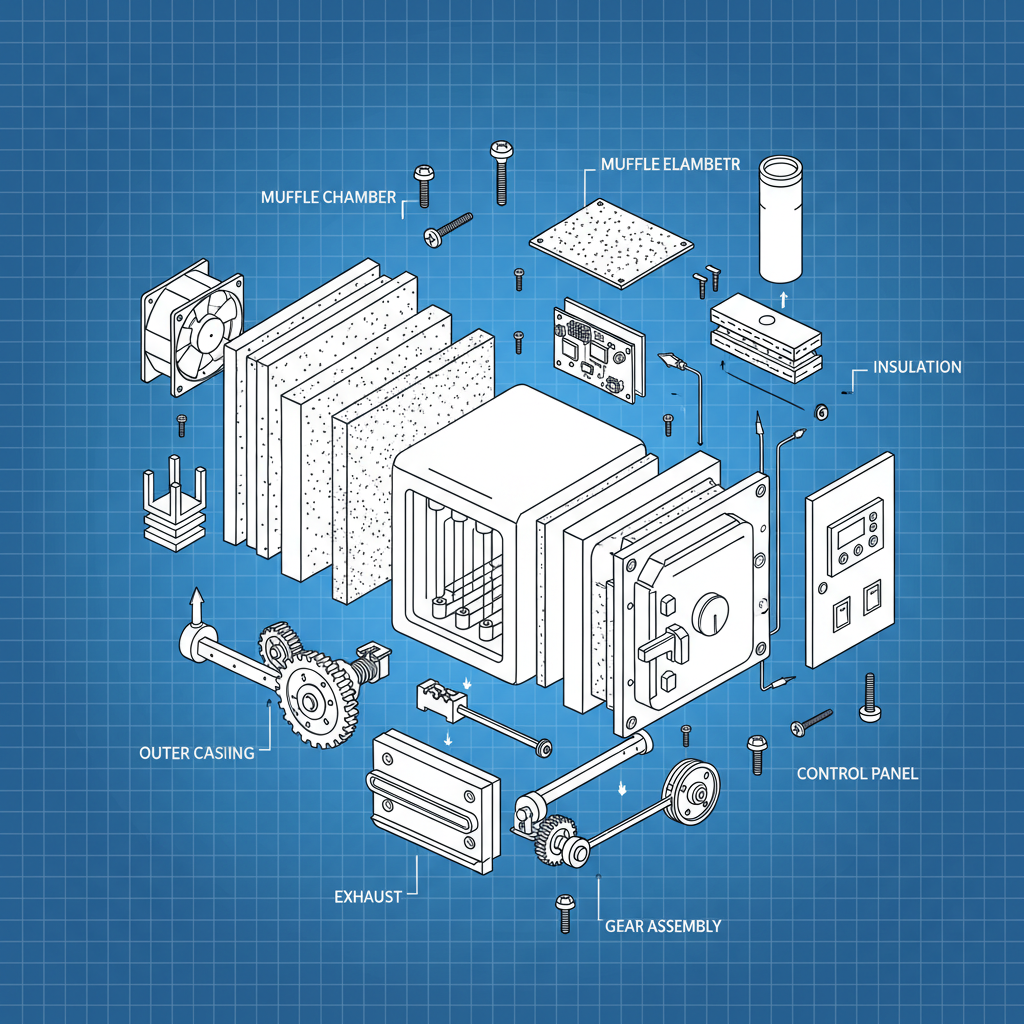
CZLab’s 1200 Degree Muffle Furnace is designed with precision and reliability in mind. Features include a high-quality heating element for long life and stable performance, a programmable temperature controller for precise temperature management, and a robust insulation system for energy efficiency. The furnace chamber is constructed from durable materials to withstand high temperatures and resist corrosion. Safety features, such as over-temperature protection, ensure safe operation. CZLab also offers customized furnace solutions to meet specific customer needs.
Technical Specifications of the CZLab 1200°C Muffle Furnace
Here’s a detailed overview of the typical specifications found in the CZLab 1200°C Muffle Furnace:
Conclusion: Investing in a Reliable Muffle Furnace
The CZLab 1200 Degree Muffle Furnace represents a significant investment for any laboratory or industrial setting requiring precise high-temperature processing. Its robust construction, accurate temperature control, and versatile applications ensure reliable and repeatable results. By choosing a high-quality furnace like the CZLab model, you are ensuring the integrity of your research and the efficiency of your operations.
Frequently Asked Questions (FAQs)
What materials can be processed in a 1200°C muffle furnace?
A 1200°C muffle furnace can process a wide range of materials, including ceramics, metals, alloys, oxides, and composites. It's commonly used for sintering, calcination, annealing, and heat treatment of various substances. However, it’s crucial to ensure that the material doesn’t emit hazardous fumes at high temperatures. If it does, appropriate ventilation and safety measures must be implemented. Consult the material safety data sheet (MSDS) before processing any new material in the furnace. The furnace is capable of processing a diverse range of materials effectively and safely, given appropriate precautions are taken.
What safety precautions should be taken when operating a muffle furnace?
Safety is paramount when operating a muffle furnace. Always wear appropriate personal protective equipment (PPE), including heat-resistant gloves and eye protection. Ensure adequate ventilation in the area to remove any potentially harmful fumes. Never open the furnace door while it’s hot. Allow it to cool completely before handling any samples. Familiarize yourself with the furnace’s safety features, such as over-temperature protection, and ensure they are functioning correctly. Regular inspection and maintenance are also essential for safe operation.
How does the programmable controller enhance the furnace's functionality?
The programmable controller allows for precise control over the heating and cooling process. You can set specific temperature profiles, including ramp rates, dwell times, and cooling rates, tailored to the specific requirements of your application. This level of control ensures consistent and repeatable results. The controller also often includes features like data logging, allowing you to track and analyze the temperature profile during each run. It also enhances operational efficiency and reduces the risk of errors.


