
Comprehensive Guide to Cement Concrete Curing Cabinets for Optimal Results
Cement Concrete Curing Cabinet: A Comprehensive Guide
Maintaining optimal temperature and humidity is crucial for achieving the desired strength and durability of cement and concrete. A cement concrete curing cabinet provides a controlled environment to accelerate and standardize the curing process. This article will explore the importance of concrete curing, the benefits of using a curing cabinet, key features to look for, and how to select the right cabinet for your specific needs. Proper concrete curing directly impacts the long-term performance and longevity of structures, making this equipment an essential investment for any concrete testing or construction-related laboratory.
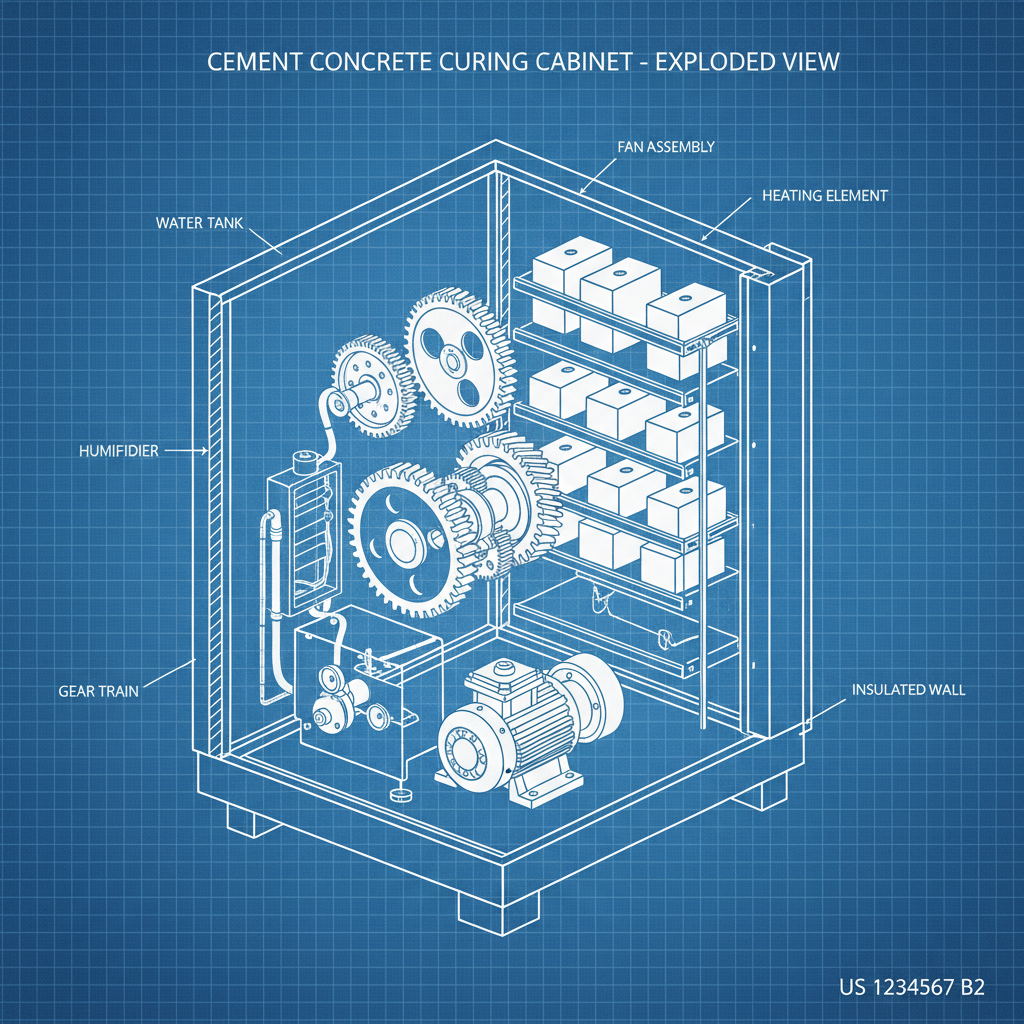
Understanding the Importance of Concrete Curing
Concrete curing is the process of maintaining adequate moisture content and temperature in freshly placed concrete for a defined period. This process is vital for hydration, the chemical reaction between cement and water, which leads to the development of concrete strength. Improper curing can result in reduced strength, increased permeability, surface cracking, and decreased durability. A cement concrete curing cabinet addresses these challenges by providing a consistent and controlled environment for optimal hydration. Maintaining a proper curing process ensures the concrete meets its intended design specifications.
Key Benefit: Controlled temperature and humidity leads to consistent and predictable strength development in concrete specimens.
Key Features of a Cement Concrete Curing Cabinet
A high-quality cement concrete curing cabinet incorporates several essential features. Precise temperature control is paramount, typically ranging from 5°C to 50°C (41°F to 122°F). Humidity control is equally important, often maintained at 95% or higher. Cabinets typically feature a robust insulation system to ensure energy efficiency and temperature stability. Internal shelving provides ample space for multiple specimens. A digital temperature and humidity controller with a clear display is also critical for monitoring and adjusting the environment. Furthermore, cabinets are often designed with a water reservoir and a humidity generation system.
Essential Features:
• Precise temperature control (5°C - 50°C)
• High humidity control (≥ 95%)
• Robust insulation for energy efficiency
• Digital temperature/humidity controller
Cement Concrete Curing Cabinet vs. Traditional Curing Methods
Traditional concrete curing methods, such as water ponding, spraying, or covering with wet burlap, can be inconsistent and labor-intensive. These methods are susceptible to environmental fluctuations, making it difficult to maintain stable temperature and humidity levels. A concrete curing cabinet offers superior control and reproducibility, leading to more accurate and reliable results. The automated control systems minimize the need for manual intervention and ensure consistent curing conditions for every specimen. This is especially important for research, quality control, and standardization purposes.
Selecting the Right Cement Concrete Curing Cabinet
Choosing the correct curing cabinet depends on your specific requirements. Consider the volume of specimens you need to cure simultaneously. Cabinets come in various sizes to accommodate different testing needs. Evaluate the temperature and humidity ranges offered to ensure they meet the standards relevant to your testing protocols. Look for a cabinet with a user-friendly controller and a reliable humidity generation system. Finally, consider the build quality and materials used to ensure long-term durability and performance. Reputable manufacturers like CZ Lab Instrument offer a range of models to suit diverse applications.
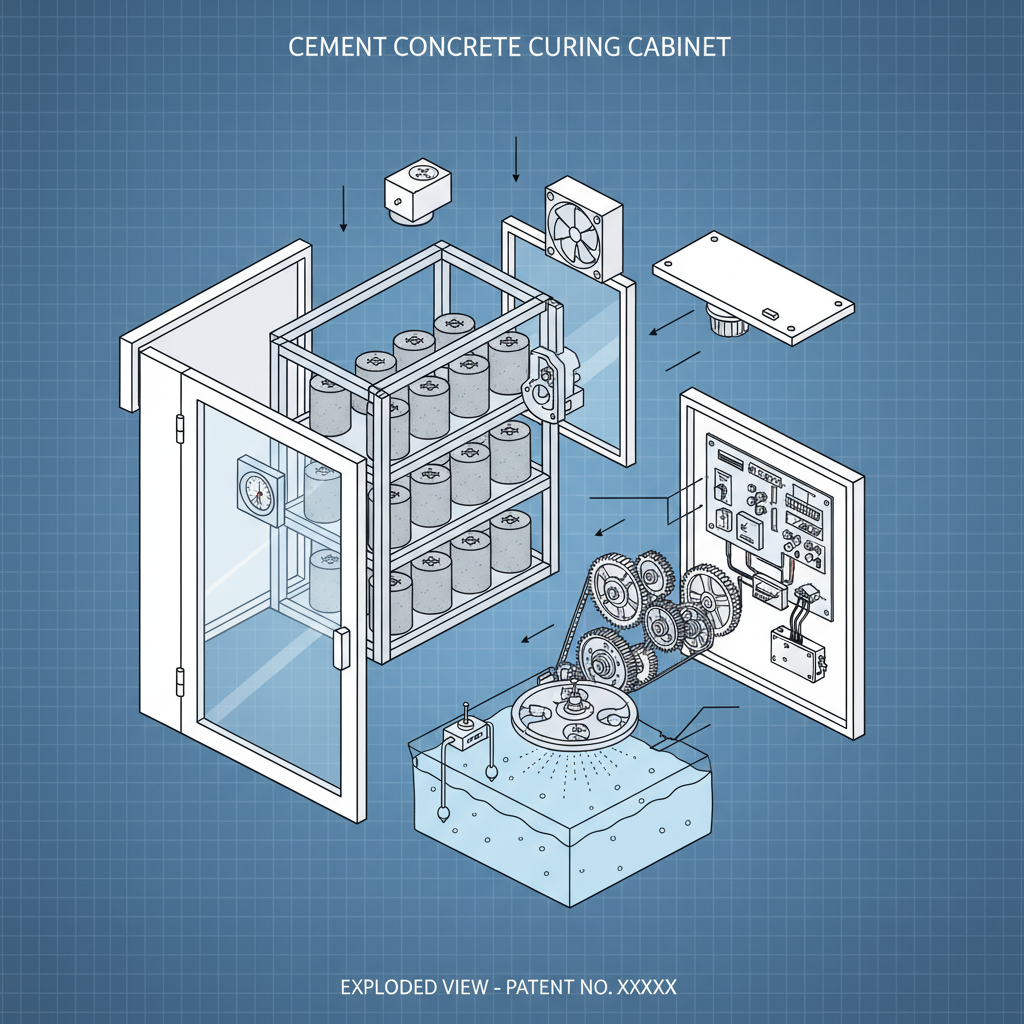
Product Specifications (CZ Lab Instrument Model CL-CuringCabinet-100)
Here are specifications for our popular CL-CuringCabinet-100 model:
Conclusion: Ensuring Reliable Concrete Curing with CZ Lab Instrument
Investing in a cement concrete curing cabinet from CZ Lab Instrument is a crucial step towards achieving accurate, reliable, and consistent concrete testing results. Our cabinets are designed to meet the highest standards of performance and durability, ensuring long-term value and peace of mind. Contact us today to learn more about our complete range of concrete testing equipment.
Frequently Asked Questions (FAQs)
What types of concrete specimens can be cured in a curing cabinet?
Cement concrete curing cabinets can accommodate a wide variety of concrete specimens, including cylinders, beams, cubes, and mortars. The internal shelving is typically adjustable to fit different specimen sizes. It's essential to ensure that the specimens are placed with sufficient spacing to allow for proper air circulation and even temperature/humidity distribution. We can customize cabinets to accommodate specific specimen dimensions if required. Maintaining consistent curing for all specimens is essential for accurate testing and analysis.
How often should I maintain the water reservoir in the curing cabinet?
The water reservoir should be checked and refilled regularly, typically every 1-2 days, depending on the humidity settings and the cabinet's usage. Using distilled or deionized water is recommended to prevent mineral buildup and ensure optimal performance. Regular cleaning of the reservoir and humidity generation system is also important to prevent the growth of bacteria or algae. Refer to the cabinet's user manual for specific maintenance instructions and schedules.
What safety features are included in CZ Lab Instrument curing cabinets?
CZ Lab Instrument curing cabinets are designed with safety in mind. Features include a temperature alarm to alert you of any deviations from the set point, a robust insulation system to prevent burns, and a grounded electrical system. The cabinets are also constructed from durable, corrosion-resistant materials. We adhere to strict quality control standards to ensure the safety and reliability of our equipment. Always follow the safety guidelines outlined in the user manual.


