0%

Table of Contents

The Marshall Compactor is a critical piece of equipment used in geotechnical engineering, primarily for determining the density of soil-bitumen mixtures. Its significance stems from its role in road construction and pavement design, ensuring the long-term stability and performance of infrastructure. Understanding the principles and application of the Marshall Compactor is vital for civil engineers, construction professionals, and anyone involved in transportation infrastructure projects worldwide.

Globally, the demand for durable and reliable road infrastructure continues to grow alongside population and economic development. The Marshall Compactor, by providing accurate density measurements, enables the creation of pavements that can withstand heavy traffic loads and harsh environmental conditions. This directly impacts transportation efficiency, economic growth, and public safety.

The benefits of properly compacted road materials extend beyond cost savings; they contribute to reduced maintenance needs, improved ride quality, and a lower carbon footprint due to increased pavement lifespan. Mastering the use of a Marshall Compactor is therefore an essential skill for building resilient and sustainable infrastructure.
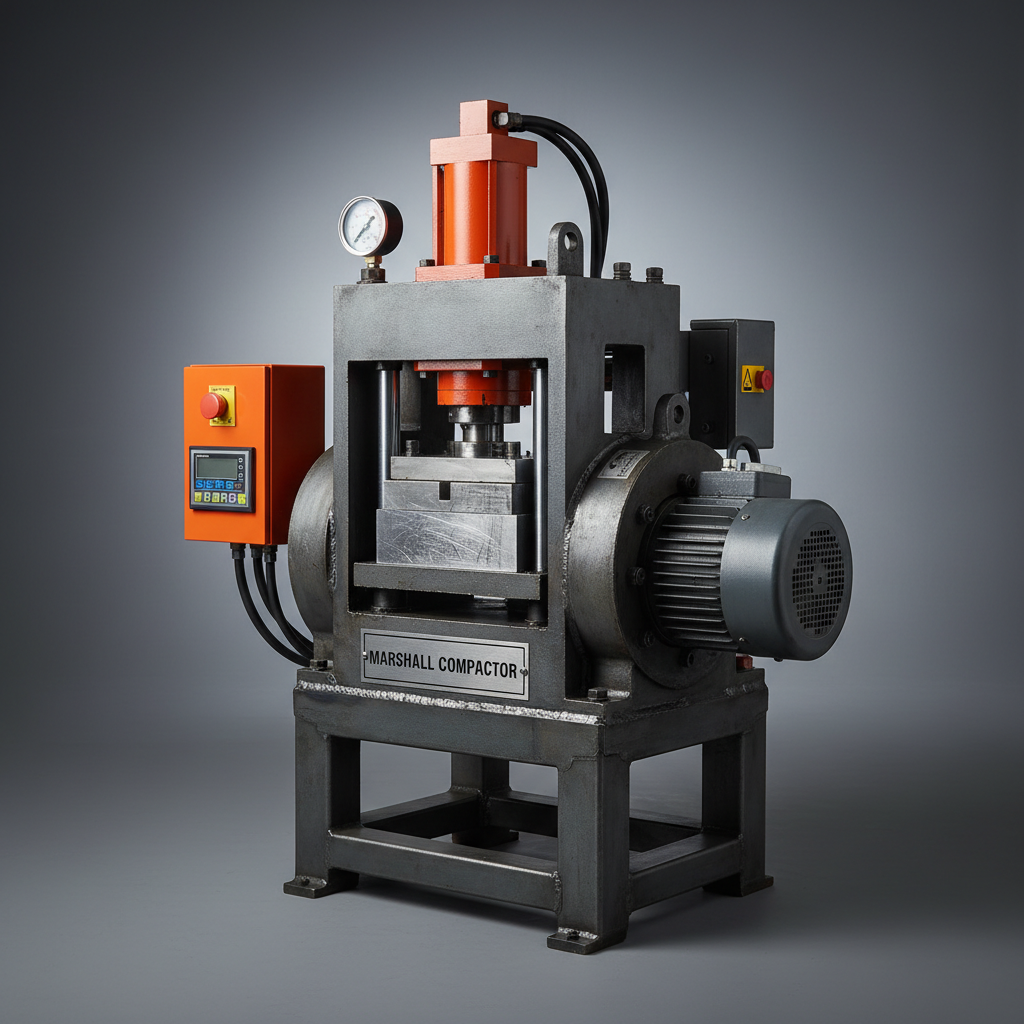
Marshall Compactor

The Fundamental Principles of Marshall Compaction
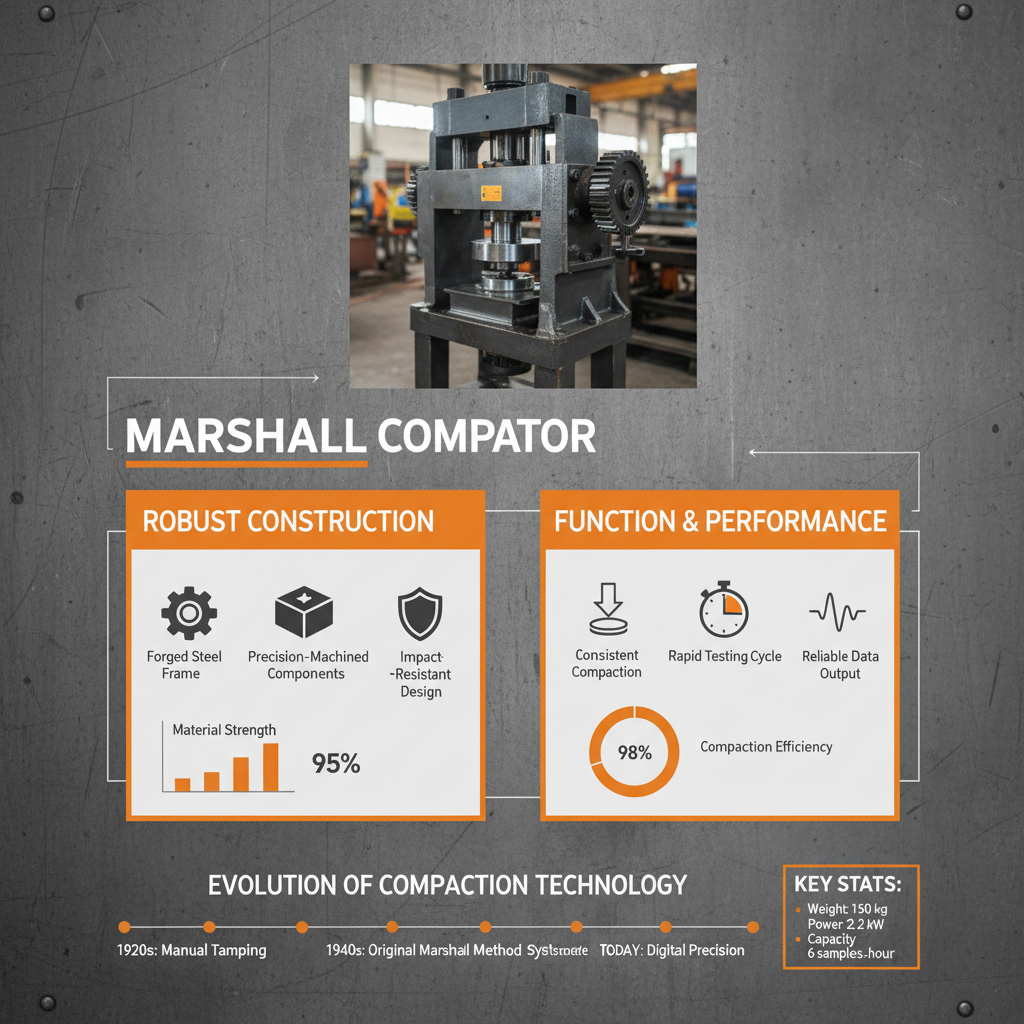
Marshall Compactor

The Marshall Compaction method is a standardized procedure designed to simulate the compaction achieved by field rollers during road construction. It relies on a specific weight and drop height to apply a controlled amount of energy to a compacted specimen of asphalt mixture. This standardized process ensures consistency and comparability of results across different laboratories and projects.

The core principle revolves around achieving a specific air void content within the asphalt mixture. This air void content directly impacts the pavement's durability, resistance to deformation, and susceptibility to moisture damage. A Marshall Compactor allows engineers to precisely control and measure these critical parameters, optimizing the mixture's performance characteristics.

The Global Relevance of Marshall Compaction

Road infrastructure is the backbone of global commerce and connectivity. From the highways that connect major cities to the rural roads that provide access to remote communities, the quality and durability of these networks are paramount. The Marshall Compaction test is recognized and utilized worldwide by organizations like ASTM International and AASHTO, ensuring a consistent standard for pavement construction.

The United Nations Sustainable Development Goals (SDGs), particularly Goal 9 (Industry, Innovation, and Infrastructure), emphasize the importance of resilient infrastructure for sustainable development. Effective road construction, facilitated by techniques like Marshall Compaction, is essential for achieving this goal. Countries across Africa, Asia, and Latin America rely heavily on Marshall Compaction to build and maintain their transportation networks.

The World Bank also actively promotes the use of standardized testing procedures, including Marshall Compaction, in its infrastructure projects. This ensures accountability, transparency, and the efficient use of resources. The demand for accurate and reliable compaction testing, using tools like the Marshall Compactor, will only continue to grow as global infrastructure needs expand.

Defining the Marshall Compactor and its Applications

A Marshall Compactor is a specialized piece of laboratory equipment used to determine the density of asphalt mixtures. It consists of a base, a mold, a hammer, and a guide. The process involves compacting a sample of asphalt mixture within the mold using a standardized hammer weight and drop height over a specific number of blows.

The resulting compacted specimen is then measured for density, air voids, and other critical properties. These measurements are crucial for evaluating the suitability of the asphalt mixture for use in road construction. This tool's versatility extends beyond just density testing. It can also contribute to evaluating mix design, performance prediction, and quality control in asphalt paving projects.

Its primary application is in the quality control of asphalt paving materials. However, it also plays a vital role in research and development, allowing engineers to investigate the effects of different asphalt mixtures and compaction techniques on pavement performance. The data obtained from a Marshall Compactor informs decisions about optimal asphalt mix designs and construction practices.

Key Factors Influencing Marshall Compaction Results

Several factors can influence the accuracy and reliability of Marshall Compaction results. These include the proper calibration of the compactor, the consistency of the asphalt mixture being tested, and the technique used by the operator. Maintaining a consistent sample weight and ensuring the mold is clean and properly lubricated are also vital.

The temperature of the asphalt mixture during compaction is another critical parameter. Asphalt viscosity changes with temperature, impacting its ability to consolidate under the applied compaction energy. Maintaining the specified temperature range ensures consistent results.

Comparison of Marshall Compaction Methods

Real-World Applications of Marshall Compaction

In post-disaster relief operations, the rapid construction of temporary roadways is often crucial for delivering aid and restoring essential services. Marshall Compaction is used to ensure the quality and stability of these temporary roads, allowing for efficient transport of supplies.

Similarly, in remote industrial zones, where access to advanced construction equipment is limited, Marshall Compaction provides a reliable method for assessing the quality of locally sourced materials and ensuring the durability of road construction projects. Mining operations also heavily rely on durable roads for hauling materials.

Advantages and Long-Term Value of Marshall Compaction

The most tangible benefit of using a Marshall Compactor is cost savings. Properly compacted pavements require less frequent maintenance and repair, reducing long-term infrastructure costs. Furthermore, a durable pavement improves safety for drivers and reduces vehicle operating costs.

From a sustainability perspective, extended pavement lifespan reduces the need for frequent reconstruction, conserving resources and minimizing environmental impact. The reliability of Marshall Compaction fosters trust in infrastructure projects, contributing to economic growth and improved quality of life.

Future Trends and Innovations in Compaction Technology

The integration of digital technologies, such as sensor-based monitoring systems, is revolutionizing compaction control. These systems provide real-time data on compaction levels, allowing for more precise and efficient construction processes. Automation is another key trend, with self-compacting asphalt mixtures gaining traction.

Research into sustainable asphalt materials, including recycled materials and bio-binders, is also driving innovation in the field. The development of more energy-efficient compaction techniques, potentially utilizing alternative energy sources, is a growing area of focus.

The implementation of AI-powered data analysis of Marshall Compaction results can lead to more accurate predictive modeling of pavement performance, further optimizing road construction and maintenance strategies.

Summary of Challenges and Solutions in Marshall Compaction

Challenge Impact on Marshall Compaction Proposed Solution Implementation Cost (1-10)
Operator Variability Inconsistent compaction results. Standardized training programs and automated compaction monitoring. 5
Equipment Calibration Inaccurate density measurements. Regular calibration procedures and certified calibration services. 4
Sample Preparation Non-representative samples affecting compaction results. Strict adherence to standardized sampling procedures. 3
Environmental Factors Temperature fluctuations impacting asphalt viscosity. Temperature control during compaction and testing. 6
Data Analysis Complexity Difficulty in interpreting compaction data. Implementation of AI-powered data analytics tools. 7
Limited Access to Equipment Delays in project completion and quality control. Increased investment in portable or shared compaction equipment. 8

FAQS

What is the primary purpose of a Marshall Compactor in road construction?

The primary purpose of a Marshall Compactor is to determine the density of asphalt mixtures, simulating the compaction achieved by field rollers. This density measurement is critical for evaluating the suitability of the asphalt mix for pavement construction and ensuring the long-term durability and performance of the road. It provides data essential for mix design, quality control, and predictive modeling of pavement behavior.

How does the Marshall Compaction test relate to pavement lifespan?

The Marshall Compaction test directly influences pavement lifespan by ensuring optimal density and air void content within the asphalt mixture. Proper compaction reduces permeability, preventing water intrusion which can cause pavement deterioration. Higher density generally translates to increased resistance to rutting, cracking, and fatigue, all of which contribute to a longer-lasting pavement structure. Accurate testing with a Marshall Compactor is therefore vital for maximizing road lifespan and minimizing maintenance costs.

What are the key parameters measured during a Marshall Compaction test?

The key parameters measured during a Marshall Compaction test include density (both theoretical and actual), air voids, voids in mineral aggregate (VMA), and voids filled with asphalt (VFA). These parameters provide a comprehensive assessment of the asphalt mixture’s characteristics and its potential performance under traffic and environmental loads. The ratios between these values are particularly important in determining the suitability of the mix for specific applications.

What are common sources of error in Marshall Compaction testing?

Common sources of error include inconsistent sample preparation, improper equipment calibration, variations in operator technique, and fluctuations in asphalt mixture temperature. It’s essential to adhere to standardized testing procedures, regularly calibrate the Marshall Compactor, and provide thorough training to operators to minimize these errors and ensure accurate, reliable results.

How are the results from a Marshall Compaction test used in asphalt mix design?

Results from the Marshall Compaction test are fundamental to asphalt mix design. They help engineers determine the optimal asphalt content required to achieve the desired density, air voids, and stability. The data is used to create a volumetric design that balances the need for durability, resistance to deformation, and cost-effectiveness. The test results guide the selection of appropriate aggregate gradation and asphalt binder type.

What are the latest advancements in Marshall Compaction technology?

Recent advancements include automated compaction systems that improve consistency and reduce operator variability. Integration with data acquisition and analysis software allows for real-time monitoring and reporting of compaction parameters. Furthermore, research is focused on developing more sophisticated compaction techniques that simulate field conditions more accurately and provide a better prediction of pavement performance.

Conclusion

The Marshall Compactor remains a cornerstone of modern pavement engineering, providing a standardized and reliable method for assessing the quality and durability of asphalt mixtures. From ensuring the integrity of critical infrastructure to optimizing resource utilization, its applications are widespread and impactful. Understanding the principles of Marshall Compaction, its limitations, and emerging advancements is essential for civil engineers and construction professionals globally.

Looking ahead, the integration of digital technologies and sustainable materials will further enhance the effectiveness of Marshall Compaction. Continuous innovation in compaction techniques and data analysis will lead to more resilient, cost-effective, and environmentally friendly road infrastructure. For more information about high-quality compaction equipment and solutions, visit our website: www.czlabinstrument.com.

Daniel Wilson

Daniel Wilson

Daniel Wilson is the Logistics Manager at Cangzhou Blue Beauty Instrument Co., Ltd., responsible for efficient procurement, transportation, and delivery of materials and finished products. He expertly manages the supply chain, ensuring timely production and on-time deliveries to customers worldwide. Daniel’s strong organizational skills and attention to detail are crucial for streamlining logistics operations and minimizing disruptions. He works closely with suppliers and freight partners to optimize costs and maintain product integrity during transit. He’s committed to implementing robust inventory management systems and ensuring compliance with international shipping regulations. He has a background in supply chain management and a proven ability to handle complex logistical challenges.
Previous Soil Compaction Mold Proctor Testing for Enhanced Infrastructure Stability
Next Bitumen Marshall Compactor Impact on Global Road Infrastructure Development
Leave Your Message

If you are interested in our products, you can choose to leave your information here, and we will be in touch with you shortly.