
Choosing the Optimal Clean Room Bench for Your Laboratory Applications
Choosing the Right Clean Room Bench for Your Laboratory
Maintaining a pristine and controlled environment is paramount in many scientific and industrial applications. A clean room bench is a critical component in achieving this goal, providing a dedicated workspace free from contaminants. This article will explore the various types of clean room benches, their applications, key features, and how to select the optimal bench for your specific needs. We'll cover everything from materials to airflow systems, ensuring you have the information necessary to make an informed decision. Investing in the right clean room bench ensures the integrity of your research and processes.
Understanding Clean Room Bench Types
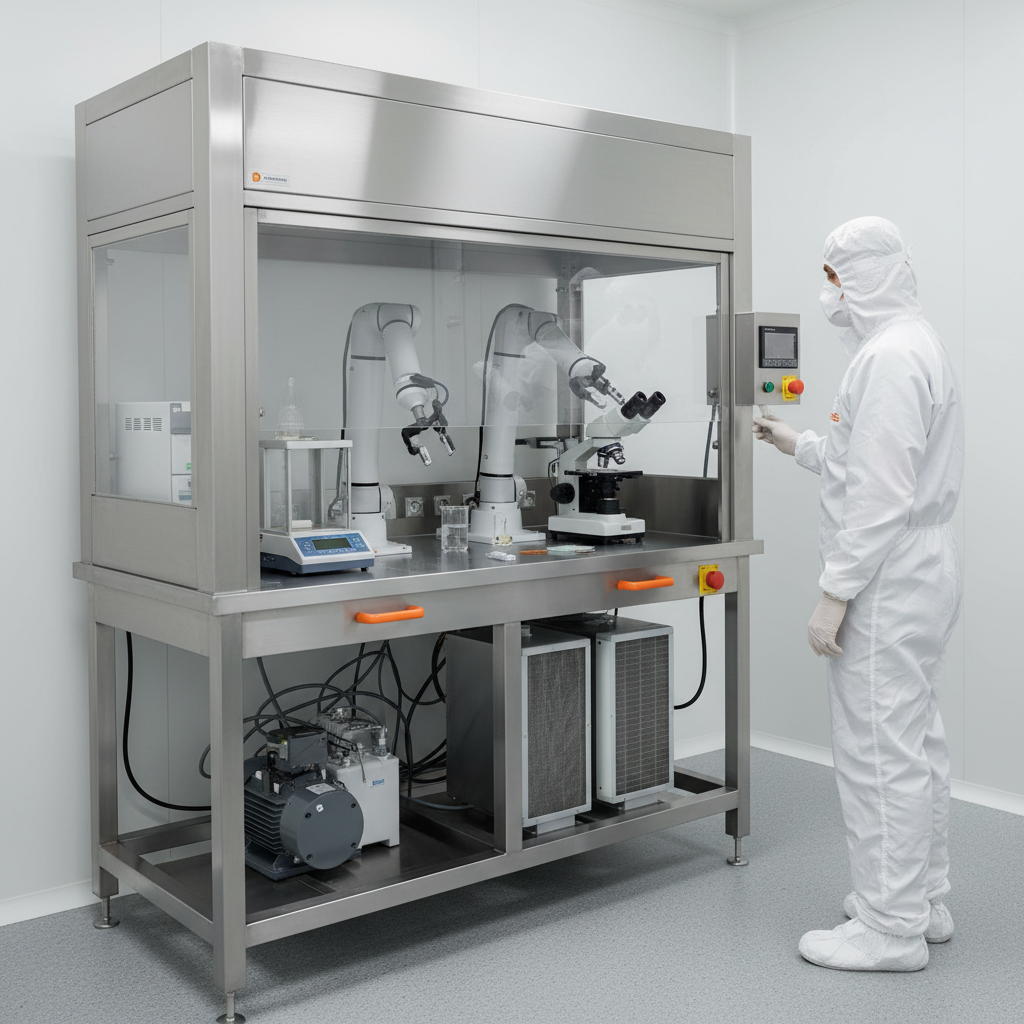
Clean room benches come in several configurations, each designed for specific applications and levels of cleanliness. The most common types include laminar flow benches, which provide a unidirectional airflow to protect work from contamination, and stainless steel workbenches designed for durability and easy cleaning. Other options include benches with adjustable height, integrated lighting, and specialized features for handling sensitive materials. Selecting the appropriate type is crucial for maintaining the desired level of environmental control. The choice is heavily influenced by the process being conducted and the required ISO cleanroom class.
Key Considerations: The specific type of clean room bench should align with the intended application and the required level of contamination control. Laminar flow benches are essential for sensitive procedures, while stainless steel workbenches prioritize durability and hygiene.
Laminar Flow Benches: Protecting Your Work
Laminar flow benches are designed to create a unidirectional airflow, minimizing the risk of contamination. These benches are categorized as either vertical flow or horizontal flow. Vertical flow benches offer superior protection for personnel and are often used for applications involving hazardous materials. Horizontal flow benches are more common for general laboratory work where sample protection is the primary concern. Effective filtration systems, typically using HEPA filters, are vital to removing airborne particles and ensuring a clean working environment. A high-quality laminar flow bench is a cornerstone of many contamination-sensitive processes.
Laminar Flow Benefits:
• Provides a sterile working environment.
• Reduces the risk of contamination from airborne particles.
• Available in vertical and horizontal flow configurations.
• Utilizes HEPA filters for superior air purification.
Clean Room Bench Materials: A Comparison
The material construction of a clean room bench significantly impacts its durability, ease of cleaning, and resistance to chemical corrosion. Stainless steel is the most common material, prized for its hygienic properties and ability to withstand harsh cleaning agents. Epoxy resin is another popular choice, offering excellent chemical resistance and a smooth, non-porous surface. Polypropylene provides good chemical resistance and is lightweight but may not be as durable as stainless steel. Choosing the right material depends on the specific chemicals and processes used in your lab.
Selecting the Right Clean Room Bench: Key Considerations
Choosing the ideal clean room bench requires careful consideration of several factors. First, determine the required ISO cleanroom class for your application. This will dictate the necessary filtration efficiency and airflow patterns. Second, assess the types of chemicals and materials you'll be handling to select the appropriate bench material. Third, consider the bench's size and configuration to ensure it meets your workspace needs. Finally, factor in features like adjustable height, integrated lighting, and ergonomic design to maximize operator comfort and efficiency. Consulting with a clean room bench specialist can provide valuable guidance.
Clean Room Bench Specifications: What to Look For
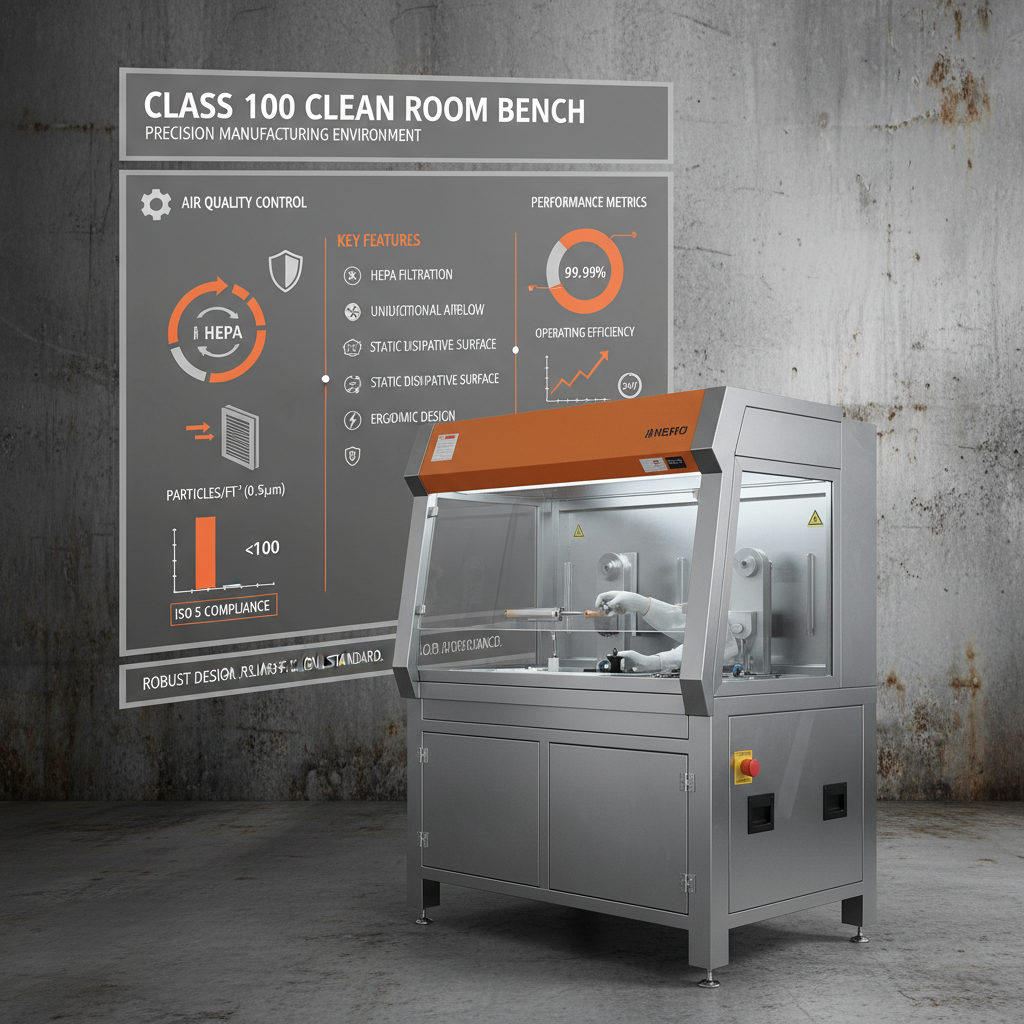
Understanding the specifications of a clean room bench is essential for ensuring it meets your requirements. Key specifications include airflow velocity (measured in feet per minute), filtration efficiency (HEPA filters should be at least 99.97% efficient), bench dimensions, material composition, and electrical requirements. It's also important to check for certifications, such as ISO compliance, to verify the bench's performance and quality.
Conclusion: Investing in a Quality Clean Room Bench
Selecting the right clean room bench is a crucial investment for any laboratory or industrial facility requiring a controlled environment. By carefully considering the type of bench, materials, specifications, and your specific application needs, you can ensure a clean, safe, and efficient workspace. A well-chosen bench protects your valuable work and maintains the integrity of your results.
Frequently Asked Questions (FAQs)
How often should I replace the HEPA filter in my clean room bench?
The HEPA filter should be replaced every 6-12 months, depending on usage and the level of contamination in the environment. Regularly monitor the airflow velocity and filter pressure drop as indicators of filter loading. A significant decrease in airflow or a high-pressure drop signifies it's time for a replacement. Some benches have filter change indicators to provide a visual alert. Proper filter maintenance is essential for maintaining the bench's effectiveness and preventing contamination.
What is the difference between vertical and horizontal laminar flow?
Vertical flow benches direct airflow downwards from the HEPA filter, creating a clean vertical sheet of air. This provides excellent protection for the work surface and is often preferred for working with hazardous materials as it directs airflow away from the operator. Horizontal flow benches, conversely, blow air horizontally across the work surface. While suitable for many applications, they offer less operator protection and are more susceptible to room air turbulence. The choice depends on the specific application and safety requirements.
Can I use a clean room bench for working with cell cultures?
Yes, clean room benches, particularly laminar flow benches, are essential for working with cell cultures. The sterile airflow protects the cultures from airborne contaminants, preventing infection and ensuring reliable experimental results. However, it's crucial to use a bench specifically designed for cell culture applications, often featuring UV sterilization capabilities for further contamination control. The bench must be regularly cleaned and disinfected to maintain a sterile environment.
How do I clean and disinfect a clean room bench?
Regular cleaning and disinfection are vital for maintaining the integrity of a clean room bench. Use a validated disinfectant suitable for the materials of your bench and the types of contaminants you're addressing. Wipe down all surfaces, including the work surface, side walls, and the front of the bench, with the disinfectant. Avoid using abrasive cleaners that could damage the surface. Always follow the disinfectant manufacturer's instructions for contact time and dilution. Consider using a UV sterilizer for additional disinfection.


