
Optimizing Finishes with Advanced Powder Coating Oven Technology
Understanding Powder Coating Oven Technology for Superior Finishes
Achieving a durable, high-quality finish is paramount in numerous industries. A powder coating oven is a critical component in this process, providing the heat necessary to cure the powder coating and create a robust, long-lasting bond. This article will explore the intricacies of powder coating ovens, their types, key considerations when choosing one, and how CZLAB Instrument can provide innovative solutions for your powder coating needs. We'll delve into the technical aspects and practical applications, offering a comprehensive guide for businesses aiming to optimize their finishing processes.
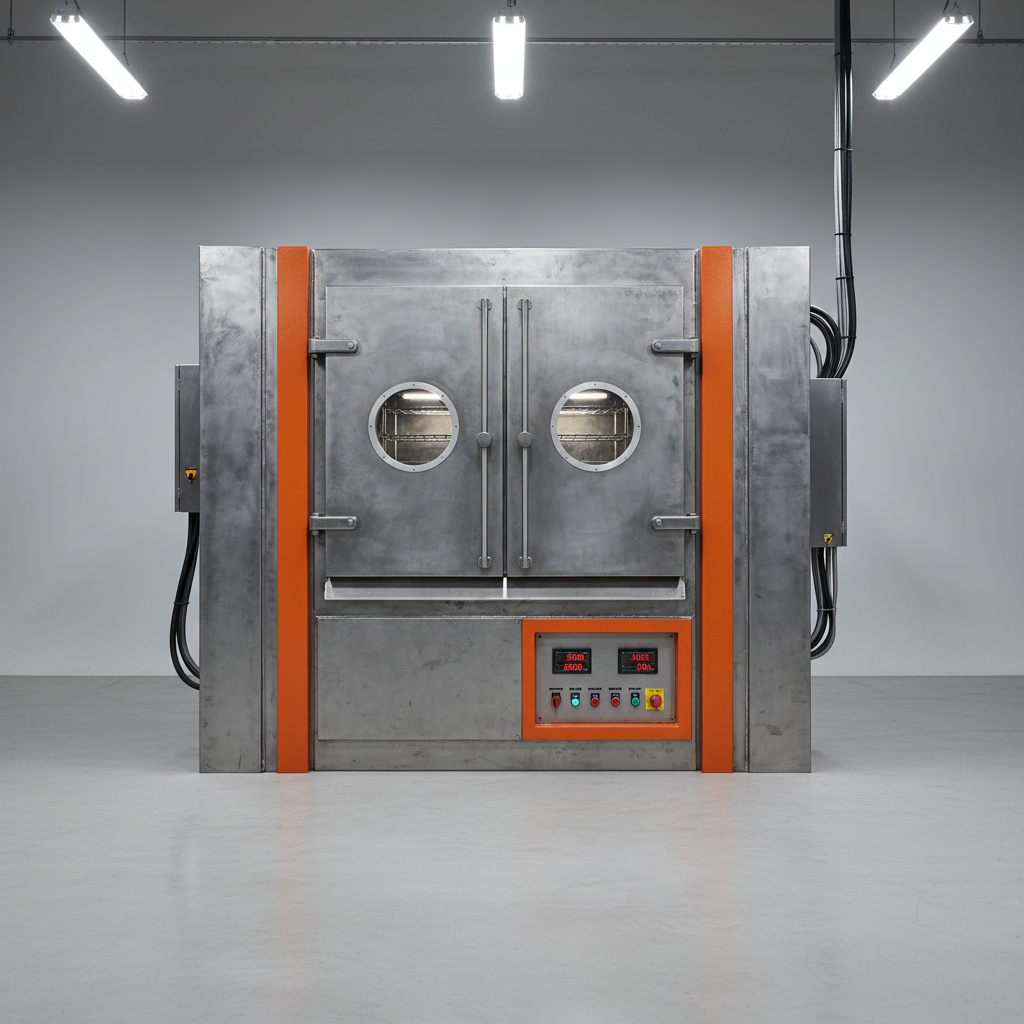
How Does a Powder Coating Oven Work?
The fundamental principle of a powder coating oven is straightforward. Powder coating, an electrostatic process, applies a dry, free-flowing powder to a grounded surface. Once applied, the coated item enters the oven where heat causes the powder particles to melt and fuse, forming a smooth, durable coating. The oven's precise temperature control is essential for optimal curing, ensuring the coating achieves its desired properties – including hardness, flexibility, and chemical resistance. Different powder types require different curing temperatures and durations, which the oven must be capable of accommodating. Proper ventilation is also crucial to remove fumes generated during the curing process.
Key Takeaway: A powder coating oven doesn't just 'bake' the powder; it precisely controls temperature and time to chemically transform the powder into a resilient, protective finish.
Types of Powder Coating Ovens
Several types of powder coating ovens cater to different production needs and budgets. The most common include:
- Batch Ovens: Ideal for smaller operations and diverse projects. Items are loaded, cured, and then unloaded before the next batch is processed.
- Conveyor Ovens: Suitable for high-volume production. Parts move continuously through the oven on a conveyor belt, automating the curing process.
- Walk-In Ovens: Offer flexibility and accommodate large items. They allow operators to easily access parts during the curing cycle.
- Infrared (IR) Ovens: Utilize infrared radiation to quickly and efficiently heat the powder coating, often used for specialized applications.
Key Considerations When Choosing a Powder Coating Oven
Selecting the right powder coating oven involves careful consideration of several factors. These include the size and type of parts you'll be coating, the production volume, the types of powder coatings you use, and your budget. Here's a detailed breakdown:
Powder Coating Oven Features and Technology
Modern powder coating ovens incorporate advanced features for enhanced performance and control. These include:
- Precise Temperature Control: Digital controllers and PID algorithms ensure accurate and consistent temperatures.
- Airflow Management: Proper airflow ensures uniform heat distribution, preventing hot or cold spots.
- Programmable Settings: Pre-set programs for different powder coatings streamline the curing process.
- Safety Features: Over-temperature protection, door interlocks, and exhaust systems enhance operator safety.
- Data Logging: Recording temperature profiles allows for process optimization and quality control.
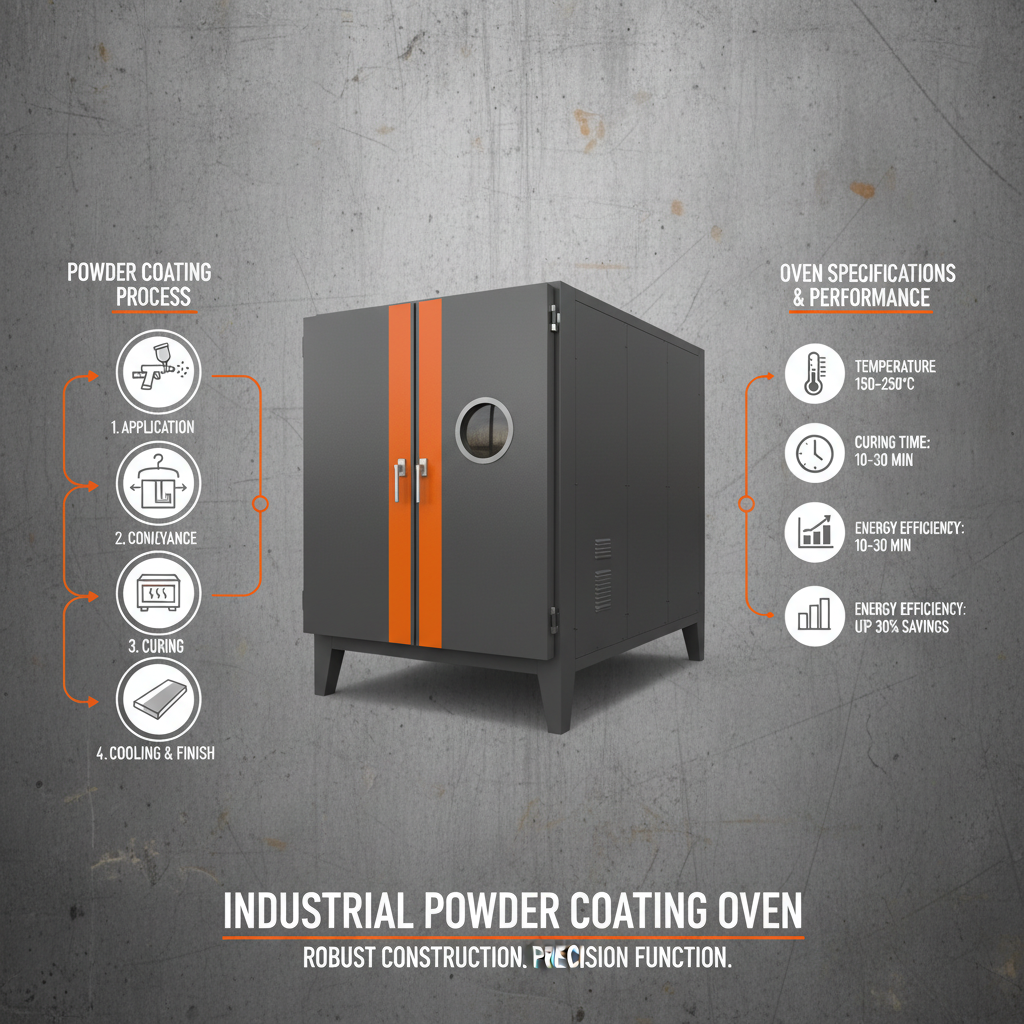
Why Choose CZLAB Instrument for Your Powder Coating Oven Needs?
At CZLAB Instrument, we specialize in providing cutting-edge testing and laboratory equipment, including high-performance powder coating ovens. Our ovens are engineered for precision, reliability, and energy efficiency. We offer customized solutions tailored to your specific requirements, backed by expert technical support and exceptional customer service. We focus on delivering ovens that maximize your production efficiency and ensure superior coating quality.
Conclusion: Optimizing Your Finishing Process with the Right Oven
Investing in a quality powder coating oven from CZLAB Instrument is an investment in your business's future. It enables you to achieve consistently high-quality finishes, improve production efficiency, and reduce costs. Contact us today to discuss your needs and explore our range of innovative oven solutions.
Frequently Asked Questions (FAQs)
What are the main factors influencing curing time in a powder coating oven?
Several factors affect curing time, including the powder coating's formulation (epoxy, polyester, hybrid, etc.), the thickness of the coating, the oven temperature, and the part’s mass. Generally, thicker coatings and lower temperatures require longer curing times. Always refer to the powder manufacturer's data sheet for specific recommendations. Proper preheating of the parts can also reduce curing time. Ensuring accurate temperature control within the oven is crucial for consistent results.
How do I ensure proper ventilation in a powder coating oven?
Proper ventilation is essential for removing fumes and volatile organic compounds (VOCs) generated during the curing process. Most powder coating ovens are equipped with exhaust systems that vent fumes to the outside. Regularly inspect and maintain the exhaust system to ensure it's functioning correctly. Consider using a fume extraction system in addition to the oven's built-in ventilation, especially if you are working with powders that produce significant fumes. Local regulations may dictate specific ventilation requirements.
What is the difference between convection and infrared heating in powder coating ovens?
Convection ovens heat the air within the oven, which then transfers heat to the parts. This provides a more uniform heating process but can be slower. Infrared (IR) ovens use infrared radiation to directly heat the powder coating, offering faster curing times and potentially lower energy consumption. IR ovens are often used for specific applications or to supplement convection heating. The choice depends on the powder type, part geometry, and desired production speed.


