
Comprehensive Guide to Forced Air Drying Ovens and Their Applications
Understanding Forced Air Drying Ovens and Their Applications
In various scientific, industrial, and research settings, controlled drying processes are critical. Forced air drying ovens are essential equipment used to accelerate this process efficiently and uniformly. This article provides a comprehensive overview of forced air drying ovens, their principles of operation, applications, benefits, and key considerations when selecting a suitable model. We’ll explore how these ovens contribute to quality control, research advancements, and various industrial processes.
How Do Forced Air Drying Ovens Work?
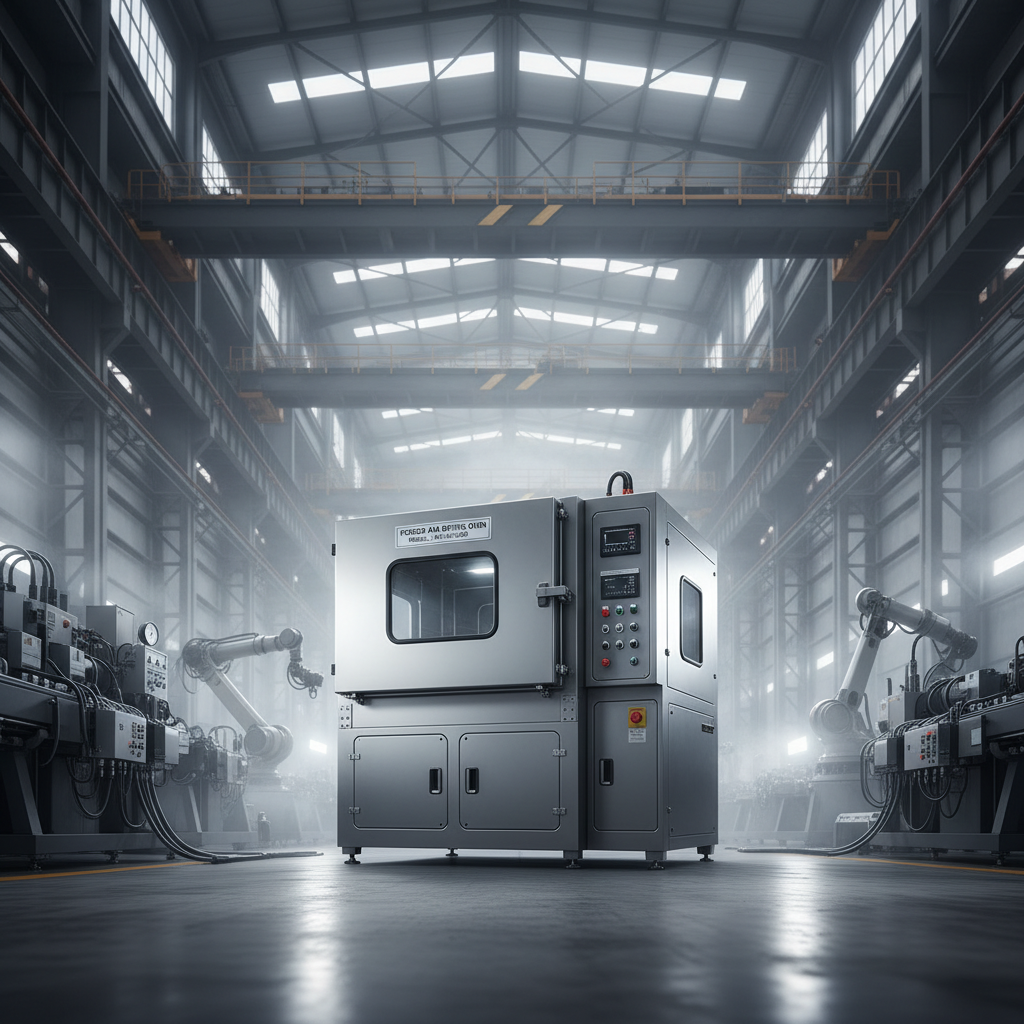
Unlike conventional ovens that rely on natural convection, forced air drying ovens utilize a fan to circulate heated air throughout the chamber. This forced circulation dramatically increases the rate of moisture evaporation from the samples. The controlled temperature and airflow ensure even drying, minimizing inconsistencies and potential damage to sensitive materials. The heating elements, often located within the fan system or around the chamber walls, provide consistent and adjustable heat. Precise temperature controllers maintain the desired drying temperature throughout the process. This controlled environment is key for repeatable and reliable results.
Key Principle: Forced convection accelerates drying by continuously removing moisture-laden air and replacing it with dry, heated air. This significantly reduces drying time compared to natural convection methods.
Applications of Forced Air Drying Ovens
The versatility of forced air drying ovens makes them indispensable across numerous industries. In the pharmaceutical sector, they are used for drying granules, powders, and coatings. Food processing relies on these ovens for drying herbs, spices, and processed food products. Materials science utilizes them for drying coatings, polymers, and ceramics. Environmental testing labs employ these ovens for drying samples prior to gravimetric analysis. Moreover, they are frequently used in quality control labs for moisture content determination of various materials.
Common Applications:
• Pharmaceutical Drying
• Food Processing
• Materials Science
• Environmental Testing
Forced Air Drying Oven vs. Conventional Oven: A Detailed Comparison
While both forced air and conventional ovens utilize heat for drying, their operating mechanisms and efficiency differ significantly. Conventional ovens rely on natural convection, leading to temperature gradients and longer drying times. Forced air ovens, with their active air circulation, provide uniform heating and faster drying rates. This results in higher throughput and reduced energy consumption. The precise temperature control in forced air ovens is also crucial for preserving the integrity of heat-sensitive materials. Here’s a detailed comparison:
Key Considerations When Choosing a Forced Air Drying Oven
Selecting the right forced air drying oven requires careful consideration of several factors. First, determine the required chamber volume based on the size and quantity of samples to be dried. Next, consider the temperature range needed for your specific applications. Precise temperature control and uniformity are essential. Look for models with digital controllers and programmable settings. The materials of construction (e.g., stainless steel) are also crucial, especially for corrosive environments. Finally, consider features like ventilation systems, safety features (over-temperature protection), and ease of cleaning.
Choosing the Right Oven with CZ Lab Instrument
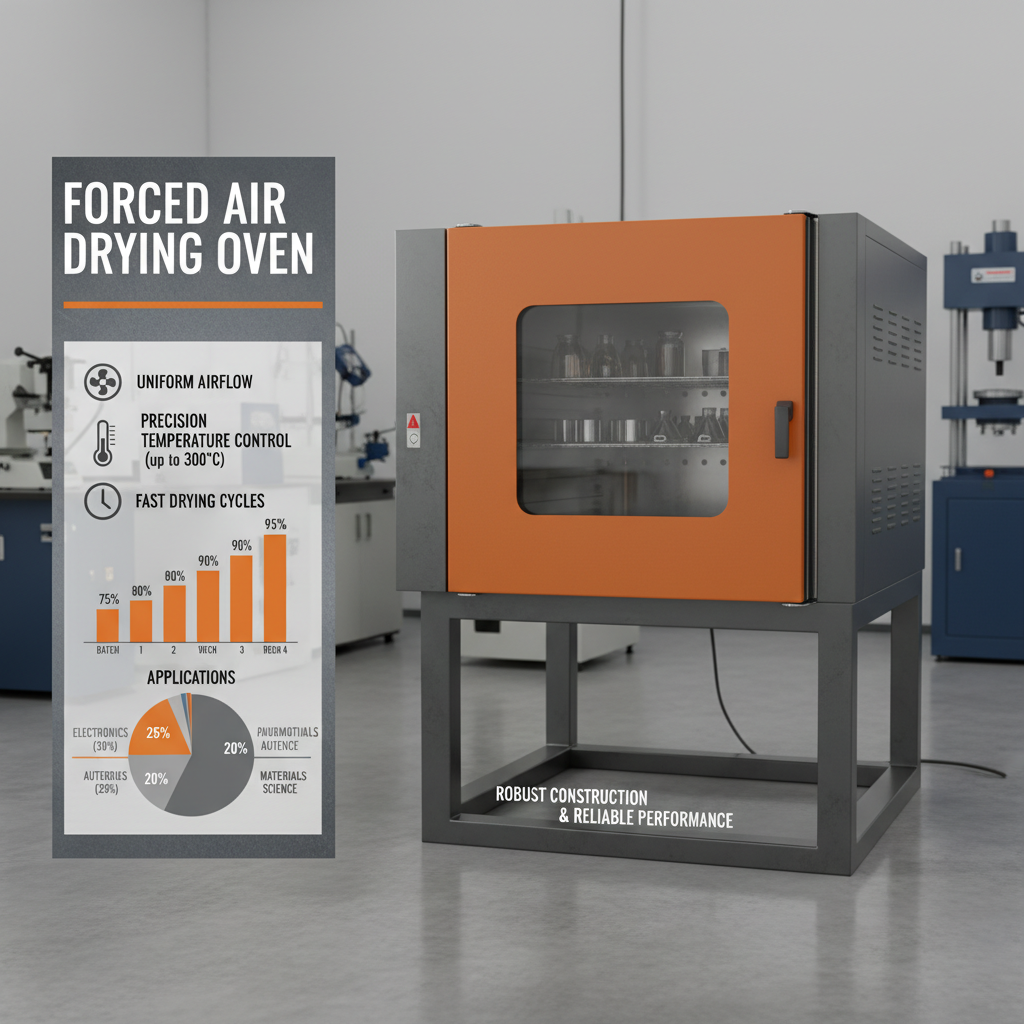
At CZ Lab Instrument, we offer a range of high-quality forced air drying ovens designed to meet diverse laboratory and industrial needs. Our ovens feature precise temperature control, uniform airflow, and robust construction. We provide customizable options to tailor the oven to your specific requirements. Our team of experts is dedicated to helping you select the perfect oven for your application and providing ongoing support. Explore our selection today and experience the difference that quality and precision can make.
Conclusion: Enhance Your Drying Processes with Precision
Investing in a forced air drying oven from CZ Lab Instrument is a step towards improved efficiency, accuracy, and reliability in your drying processes. With features tailored for various applications, our ovens ensure optimal results and contribute to overall quality control. Contact us today to discuss your specific needs and find the perfect solution for your laboratory or industrial setting.
Frequently Asked Questions (FAQs)
What types of materials can be dried in a forced air drying oven?
Forced air drying ovens are incredibly versatile and can accommodate a wide range of materials, including powders, granules, liquids, pastes, and solid samples. Common applications involve drying chemicals, pharmaceuticals, food products, polymers, coatings, and various laboratory samples. However, it’s crucial to consider the material's sensitivity to heat and adjust the temperature accordingly. Some materials may require lower temperatures or vacuum assistance to prevent degradation. Always consult material safety data sheets (MSDS) and conduct preliminary tests to determine optimal drying conditions. CZ Lab Instrument provides ovens with precise temperature control to accommodate sensitive materials.
How do I maintain and clean my forced air drying oven?
Regular maintenance is key to prolonging the lifespan of your oven. After each use, remove any residual samples and wipe down the chamber with a mild detergent solution. Periodically inspect the fan for debris and clean as needed to maintain optimal airflow. Check the door seal for any damage or wear. Avoid using abrasive cleaners or harsh chemicals that could damage the oven's interior. For stainless steel chambers, a specialized stainless steel cleaner is recommended. Refer to the oven’s user manual for specific cleaning and maintenance instructions. At CZ Lab Instrument, our ovens are designed with ease of cleaning in mind.
What safety features should I look for in a forced air drying oven?
Safety is paramount when operating a drying oven. Essential safety features include over-temperature protection, which automatically shuts off the heating elements if the temperature exceeds a set limit. A digital temperature controller with precise settings is also crucial. Look for models with a robust door seal to prevent heat loss and ensure stable temperature. Additionally, consider models with ventilation systems to remove fumes or vapors. CZ Lab Instrument ovens are equipped with multiple safety features to ensure operator protection and prevent damage to samples.
Can I control the humidity levels within the oven?
While standard forced air drying ovens primarily focus on temperature control, some specialized models offer humidity control features. These ovens utilize a combination of heat, airflow, and humidity regulation to create a specific drying environment. Humidity control is especially important for sensitive materials that are prone to degradation or oxidation in dry conditions. If humidity control is critical for your application, consider a model with integrated humidity sensors and control systems. CZ Lab Instrument offers a range of ovens to cater to varying humidity requirements.


