
Comprehensive Guide to Hot Air Laboratory Oven Applications and Selection
Hot Air Laboratory Oven: A Comprehensive Guide
A hot air laboratory oven is an essential piece of equipment in numerous scientific and industrial applications. From drying and sterilization to heat treatment and material testing, these ovens provide precise temperature control and uniform heating. This article will explore the features, applications, key considerations when purchasing, and the benefits of choosing a high-quality hot air oven. Understanding these aspects is vital for selecting the right oven for your specific needs and ensuring reliable performance in your laboratory or production facility.
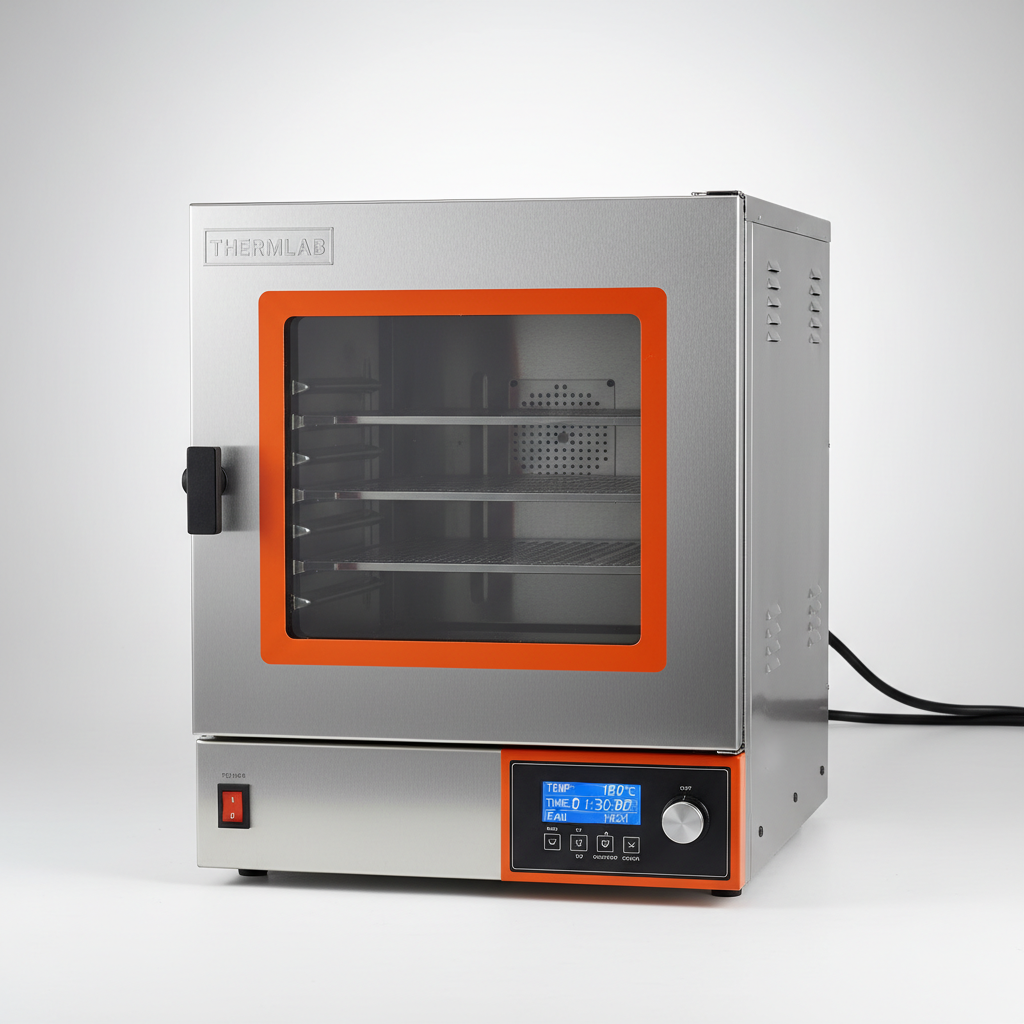
Key Features of a Hot Air Laboratory Oven
Modern hot air laboratory ovens are designed with advanced features to ensure accuracy, safety, and user convenience. These typically include digital temperature controllers for precise setting and monitoring, forced air circulation for uniform heating, and insulated chambers to minimize heat loss and energy consumption. Safety features like over-temperature protection and door interlocks are also crucial. Furthermore, many models offer programmable temperature profiles, allowing for automated heating and cooling cycles. The build quality and materials used, such as stainless steel interiors, contribute to longevity and resistance to corrosion.
Key Highlights: Digital temperature controllers, forced air circulation, insulated chambers, safety mechanisms, programmable profiles, stainless steel interiors.
Applications of Hot Air Laboratory Ovens
The versatility of hot air ovens makes them indispensable across a broad range of disciplines. In pharmaceuticals, they're used for drying extracts and sterilizing equipment. In food science, they play a vital role in moisture content analysis and drying samples. Materials science utilizes them for heat treatment processes, aging tests, and component drying. Quality control labs employ them for determining volatile matter content and performing other material characterization tests. Universities and research institutions rely on them for diverse experimental applications. From basic research to industrial processes, the application possibilities are extensive.
Common Applications:
• Drying of laboratory glassware
• Sterilization of instruments
• Heat treatment of materials
• Moisture content determination
• Aging tests
Choosing the Right Hot Air Laboratory Oven: Key Considerations
Selecting the ideal hot air oven requires careful consideration of several factors. First, determine the required temperature range and accuracy based on your application needs. The chamber size should be appropriate for the volume of samples you intend to process. Consider the features such as programmable controls, forced air circulation, and safety mechanisms. Also, evaluate the build quality and materials to ensure durability and corrosion resistance. Finally, factor in the manufacturer’s reputation and available support services.
Hot Air Oven Specifications and Performance
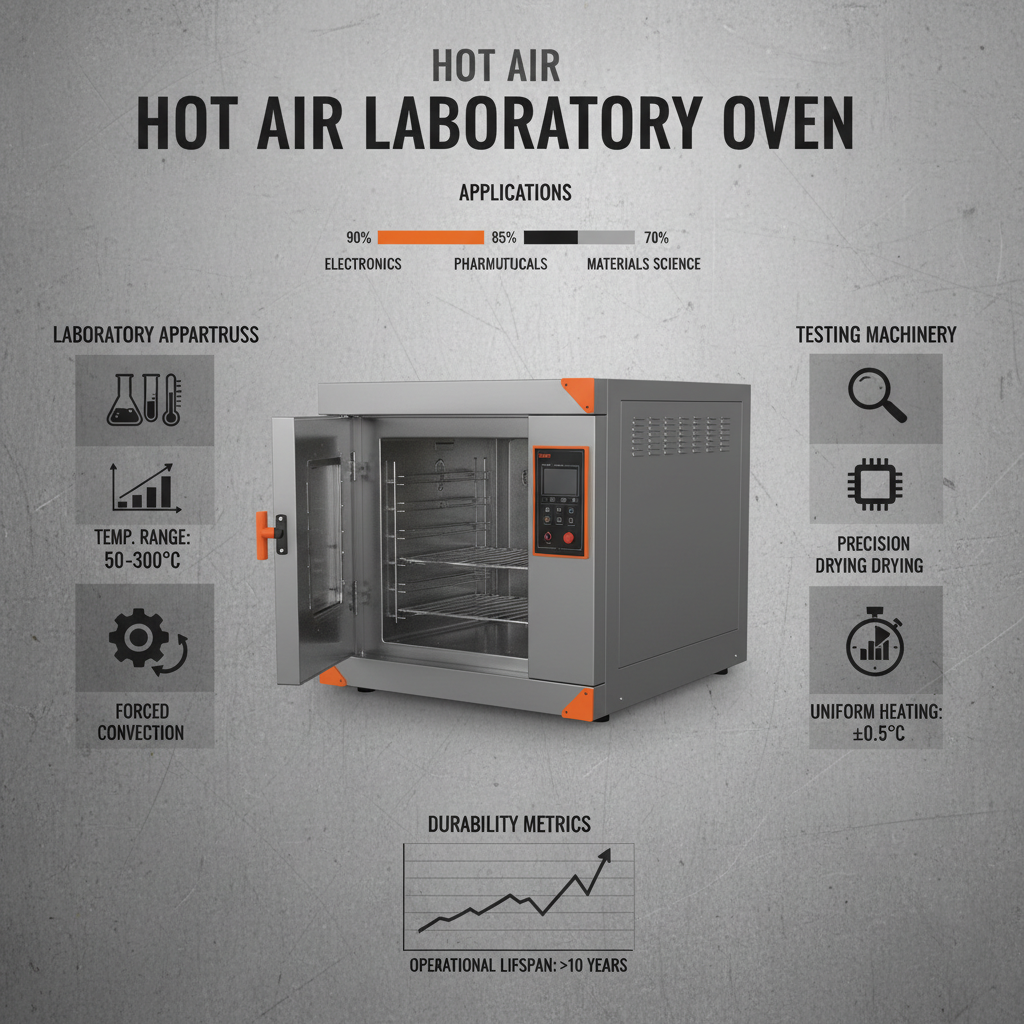
When evaluating different hot air oven models, understanding their specifications is key. These commonly include temperature range, temperature uniformity, heating rate, chamber volume, power requirements, and dimensions. High-performance ovens often boast superior temperature uniformity, ensuring consistent heating throughout the chamber. Faster heating rates can improve throughput. Consider these factors in relation to your specific workflow and requirements.
Conclusion: Investing in Quality for Optimal Results
Choosing a hot air laboratory oven is an investment in the accuracy and reliability of your scientific or industrial processes. By considering the factors outlined in this guide—features, applications, specifications—you can select an oven that meets your specific needs and delivers optimal performance. A high-quality oven will ensure consistent results, enhance safety, and contribute to the overall success of your work. Explore the range of hot air ovens at czlabinstrument.com to find the perfect solution for your laboratory.
Frequently Asked Questions (FAQs)
What is the importance of forced air circulation in a hot air oven?
Forced air circulation is crucial for maintaining temperature uniformity throughout the chamber. Without it, there can be significant temperature gradients, leading to uneven heating and inconsistent results. The fan-assisted circulation ensures that heated air is distributed evenly, guaranteeing that all samples are exposed to the same temperature, maximizing accuracy and reliability. This is particularly important for applications requiring precise temperature control, such as drying delicate materials or performing heat treatment processes.
How do I ensure the safe operation of a hot air oven?
Safety is paramount when operating a hot air oven. Always wear appropriate personal protective equipment (PPE), such as heat-resistant gloves, when handling hot samples or interacting with the oven. Ensure the oven is placed on a stable, heat-resistant surface and that adequate ventilation is provided. Never obstruct the vents. Regularly inspect the power cord and wiring for damage. Utilize the oven's safety features, such as over-temperature protection, and follow the manufacturer's operating instructions carefully. Do not introduce flammable or explosive materials into the oven.
What type of materials are commonly dried in a hot air oven?
A wide range of materials can be dried in a hot air oven, including chemicals, powders, granular materials, and even biological samples. Common applications include drying glassware and lab equipment, removing moisture from pharmaceutical ingredients, preparing samples for analysis, and drying coatings or films. The appropriate temperature setting is crucial and depends on the material's properties and desired drying rate. Always consult the material safety data sheet (MSDS) for specific recommendations.
How often should a hot air oven be calibrated?
Regular calibration is essential to ensure the accuracy of the temperature readings. The frequency of calibration depends on the oven's usage and the criticality of the application. Generally, annual calibration is recommended, but more frequent calibration may be necessary for high-precision applications or if the oven is used extensively. Calibration should be performed by a qualified technician using certified temperature standards.


