
Maximize Food Preservation with a High Performance Hot Air Food Drying Oven
Choosing the Right Hot Air Food Drying Oven for Your Needs
Preserving food through drying is an age-old practice, but modern technology has revolutionized the process. A hot air food drying oven offers a controlled and efficient way to dehydrate fruits, vegetables, meats, and more, extending their shelf life and retaining valuable nutrients. This article delves into the benefits, features, and considerations when selecting a hot air food drying oven, helping you make the best choice for your home or business. Investing in the right equipment ensures consistent results and food safety.
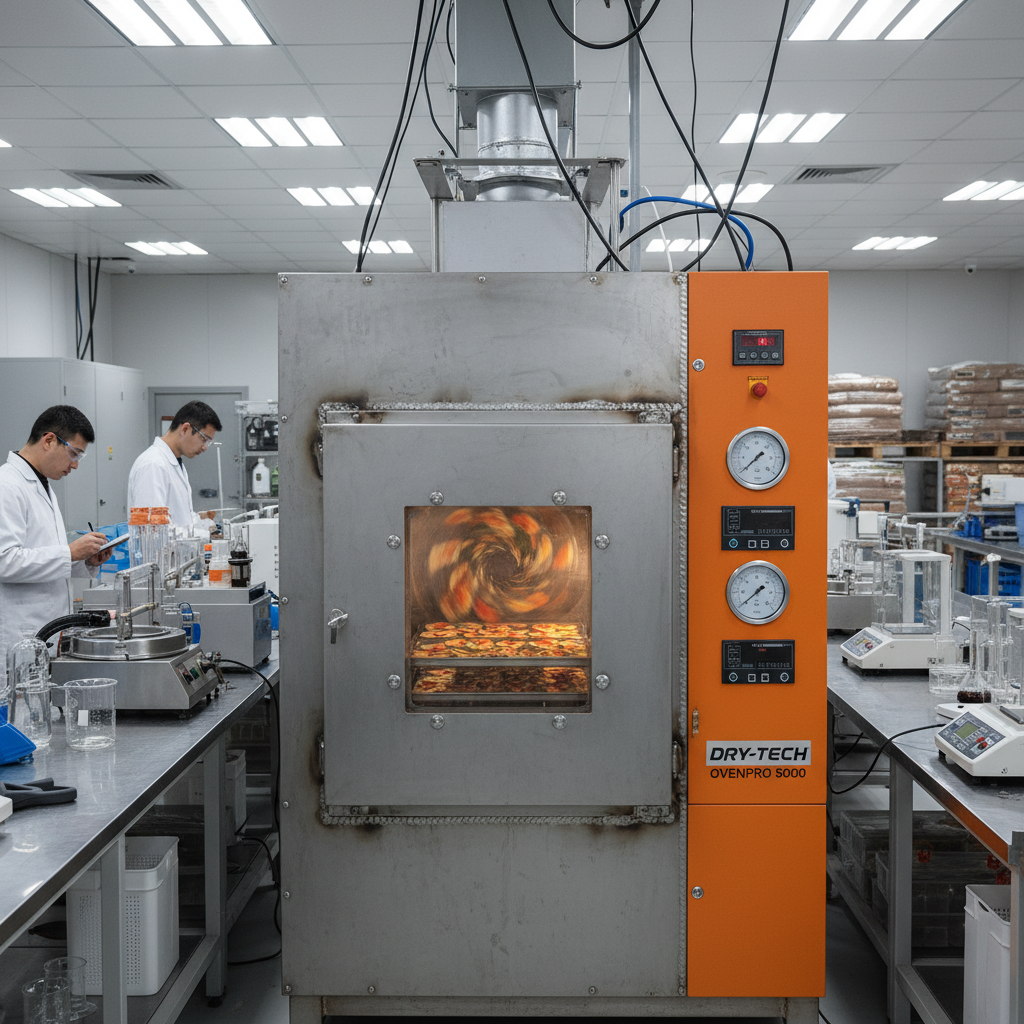
The Advantages of Using a Hot Air Food Drying Oven
Compared to traditional air drying, a hot air oven provides several key advantages. Controlled temperature and airflow accelerate the drying process, reducing the risk of spoilage. This method also minimizes nutrient loss, preserving more vitamins and minerals in the final product. Moreover, a hot air oven protects food from insects, dust, and other contaminants, ensuring a hygienic outcome. The ability to precisely control temperature and humidity is essential for achieving consistent quality and optimal preservation. For commercial applications, this translates to reduced waste and increased profitability.
Key Benefits: Accelerated drying, nutrient preservation, hygienic operation, precise control, and reduced spoilage.
Understanding Hot Air Drying Technology
Hot air drying works by circulating warm air around the food, evaporating moisture. The temperature is carefully controlled to balance drying speed and food quality. Lower temperatures are ideal for delicate items like herbs and fruits, while higher temperatures are suitable for tougher foods like meats. The airflow is equally important, ensuring even drying and preventing mold growth. Modern food drying ovens often feature adjustable fan speeds and temperature settings for optimal performance. Consistent airflow and temperature distribution are crucial for uniform dehydration.
Key Drying Factors:
• Temperature Control
• Airflow Circulation
• Humidity Management
• Food Placement & Spacing
Hot Air Food Drying Oven: Features to Consider
When choosing a hot air food drying oven, several features are essential. Capacity is a primary consideration, determined by the volume of food you intend to dry regularly. Temperature control is crucial, with precise settings for different food types. Adjustable timers allow for automated operation, while a clear viewing window lets you monitor the drying process. Stainless steel construction ensures durability and hygiene. Additional features like automatic shut-off and adjustable trays further enhance convenience and efficiency.
CZLab Instrument: High-Quality Hot Air Food Drying Ovens
CZLab Instrument offers a range of hot air food drying ovens designed to meet diverse needs. Our ovens feature precise temperature control, adjustable timers, and durable stainless steel construction. We provide options with varying capacities, catering to both small-scale home use and large-scale commercial applications. CZLab Instrument is committed to providing reliable and efficient solutions for food preservation.
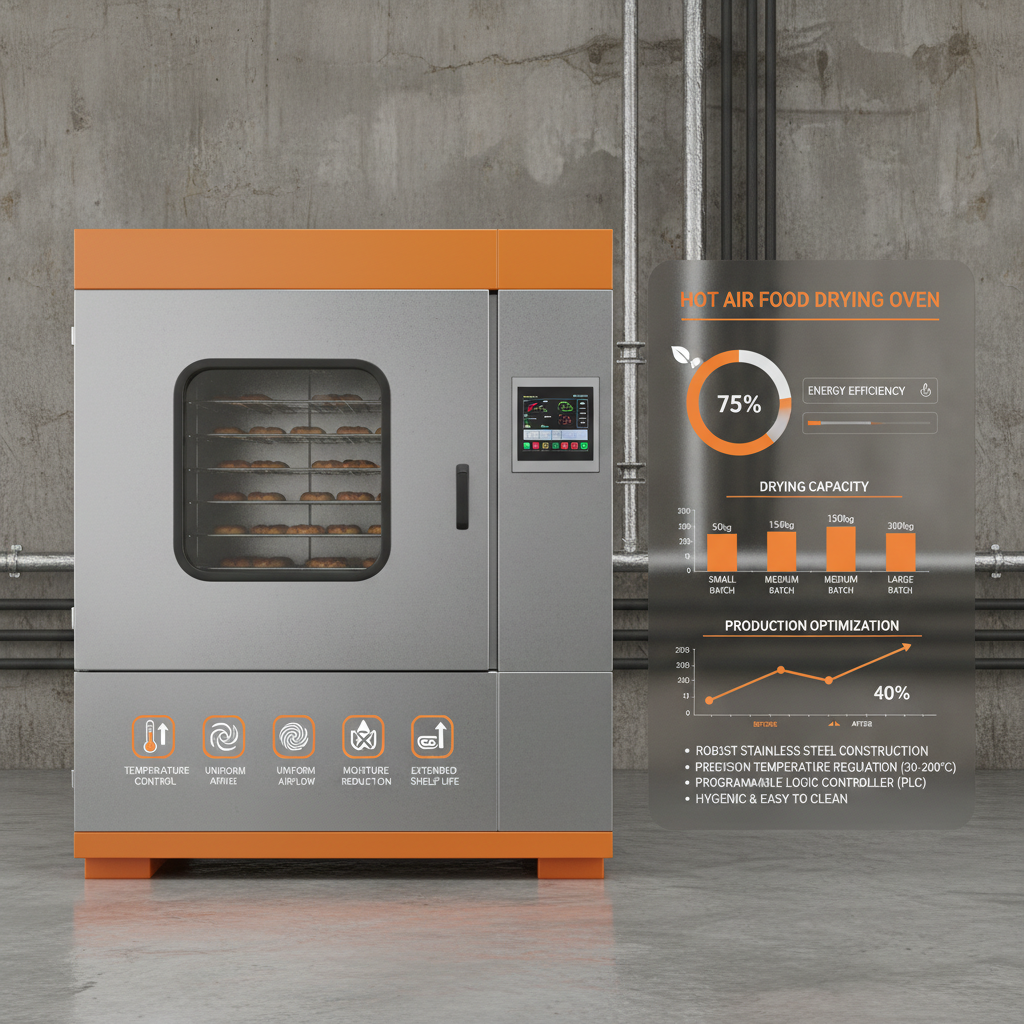
CZLab Instrument Food Drying Oven - Technical Specifications
Here's a snapshot of the specifications for our popular model:
Conclusion: Preserve Your Harvest with CZLab Instrument
Investing in a hot air food drying oven from CZLab Instrument is a smart choice for preserving food quality and extending shelf life. Our ovens offer precision, reliability, and durability, making them ideal for both home and commercial use. Explore our range of models today and enjoy the benefits of home-dried foods.
Frequently Asked Questions (FAQs)
What foods are best suited for hot air drying?
A wide variety of foods can be successfully dried using a hot air oven, including fruits (apples, bananas, mangoes), vegetables (tomatoes, peppers, onions), herbs, meats (jerky, biltong), and even flowers. The key is to select foods that are relatively lean and have a good initial quality. Foods with high sugar content may require lower drying temperatures to prevent caramelization. Proper preparation, such as slicing into uniform pieces, is essential for even drying.
How long does it take to dry food in a hot air oven?
Drying time varies depending on the type of food, its thickness, and the oven’s temperature and airflow. Fruits and vegetables typically take 6-12 hours, while meats can take 8-16 hours. It's crucial to check for dryness by testing a few pieces. The food should be leathery or brittle but not sticky. A proper drying process effectively reduces water activity, inhibiting microbial growth.
How do I store dried food properly?
Once dried, food should be cooled completely before storing. Store dried foods in airtight containers, such as glass jars or resealable plastic bags, in a cool, dark, and dry place. Proper storage protects the food from moisture and light, extending its shelf life. Label the containers with the date of drying. For long-term storage, consider using oxygen absorbers to further enhance preservation.


