
Comprehensive Guide to Industrial Lab Air Drying Oven Selection and Applications
Industrial Lab Air Drying Oven: A Comprehensive Guide
When it comes to laboratory processes requiring precise temperature control for drying, an industrial lab air drying oven is an indispensable piece of equipment. These ovens provide a controlled environment to remove moisture from samples, ensuring accuracy and reliability in research and production. This article provides a detailed exploration of industrial lab air drying ovens, covering their features, applications, selection criteria, and benefits. We’ll help you understand why choosing the right oven is crucial for your specific laboratory needs.
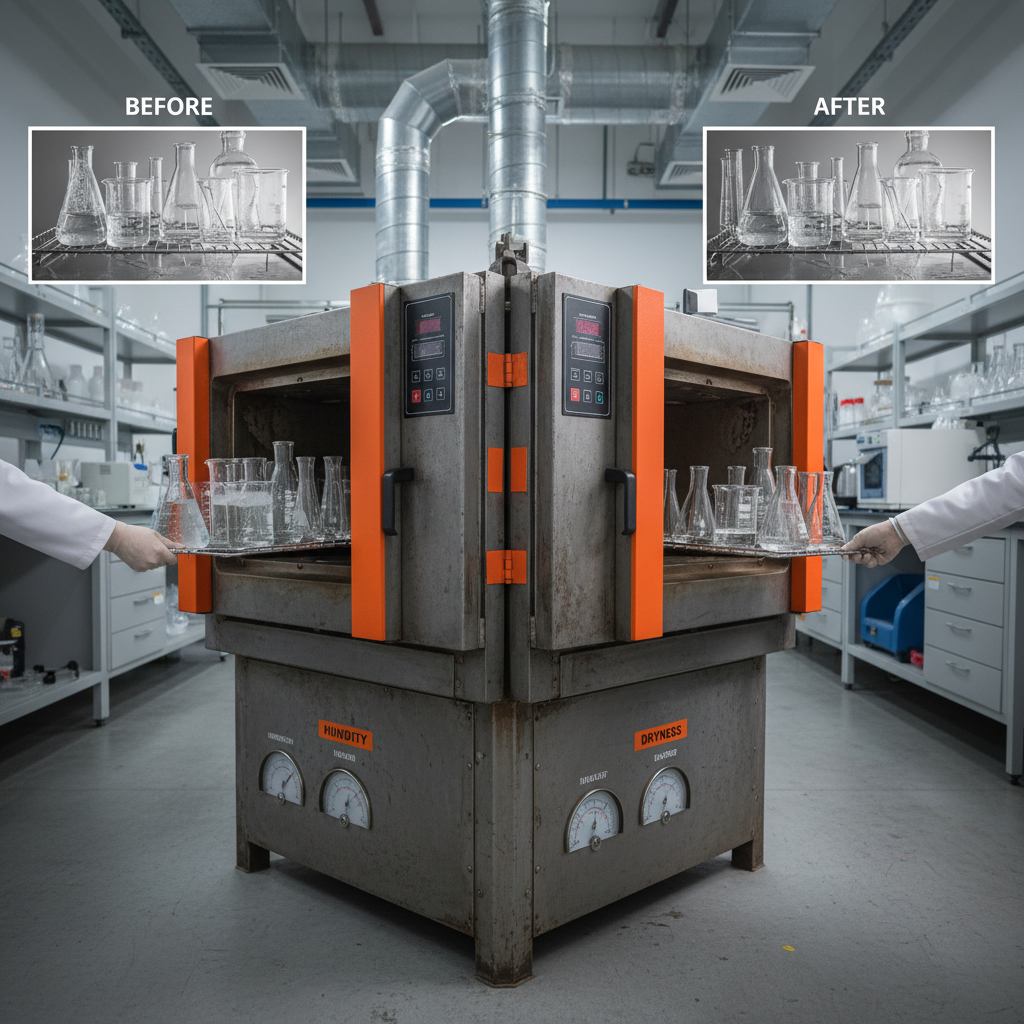
Understanding Industrial Lab Air Drying Ovens
An industrial lab air drying oven uses heated air circulation to remove moisture from substances. Unlike vacuum ovens which operate under reduced pressure, air drying ovens rely on convective heat transfer. This makes them ideal for materials that are sensitive to vacuum or require a more gentle drying process. They’re commonly used in a vast range of industries, including pharmaceuticals, food processing, materials science, and quality control. The key components typically include a heating element, a fan for air circulation, a temperature controller, and an insulated chamber to maintain consistent temperatures. Selecting the right oven depends on factors like sample volume, required temperature range, and drying time.
Key Highlights: Industrial lab air drying ovens are used to remove moisture from substances via heated air circulation, making them valuable in various industries.
Key Features to Consider When Choosing an Industrial Lab Air Drying Oven
Several features determine the suitability of an air drying oven for your specific needs. Precise temperature control is paramount, with digital controllers offering superior accuracy and repeatability. Uniform air circulation is essential to ensure consistent drying throughout the chamber. Look for ovens with forced convection fans and well-designed air vents. Safety features such as over-temperature protection and door interlocks are critical for preventing accidents. Additionally, consider the chamber size, material (stainless steel is ideal for corrosion resistance), and energy efficiency.
Essential Oven Features:
• Precise temperature control with digital controllers
• Uniform air circulation via forced convection
• Safety features (over-temperature protection, door interlocks)
• Durable chamber material (stainless steel)
Industrial Lab Air Drying Oven vs. Other Drying Methods
Several drying methods are available, each with its advantages and disadvantages. Air drying ovens offer a balance between cost-effectiveness, simplicity, and suitability for a wide range of materials. Vacuum ovens provide faster drying times and are suitable for heat-sensitive substances, but they are generally more expensive. Freeze dryers are ideal for preserving biological materials but are complex and costly. Fluid bed dryers are efficient for granular materials but may not be suitable for delicate samples. The optimal choice depends on the specific application and material properties. CZ Lab Instrument provides solutions tailored to varied needs.
Applications of Industrial Lab Air Drying Ovens
The applications of an industrial lab air drying oven are incredibly diverse. In pharmaceutical research, they're used for drying drug intermediates and final products. Food processing relies on them for moisture analysis and preserving ingredients. Materials science employs them for preparing samples for testing and analysis. Quality control laboratories use them for routine moisture content determination. Furthermore, they are vital in drying heat-sensitive polymers, ceramics, and other specialty materials. From research and development to manufacturing and quality assurance, these ovens play a critical role across numerous scientific and industrial sectors.
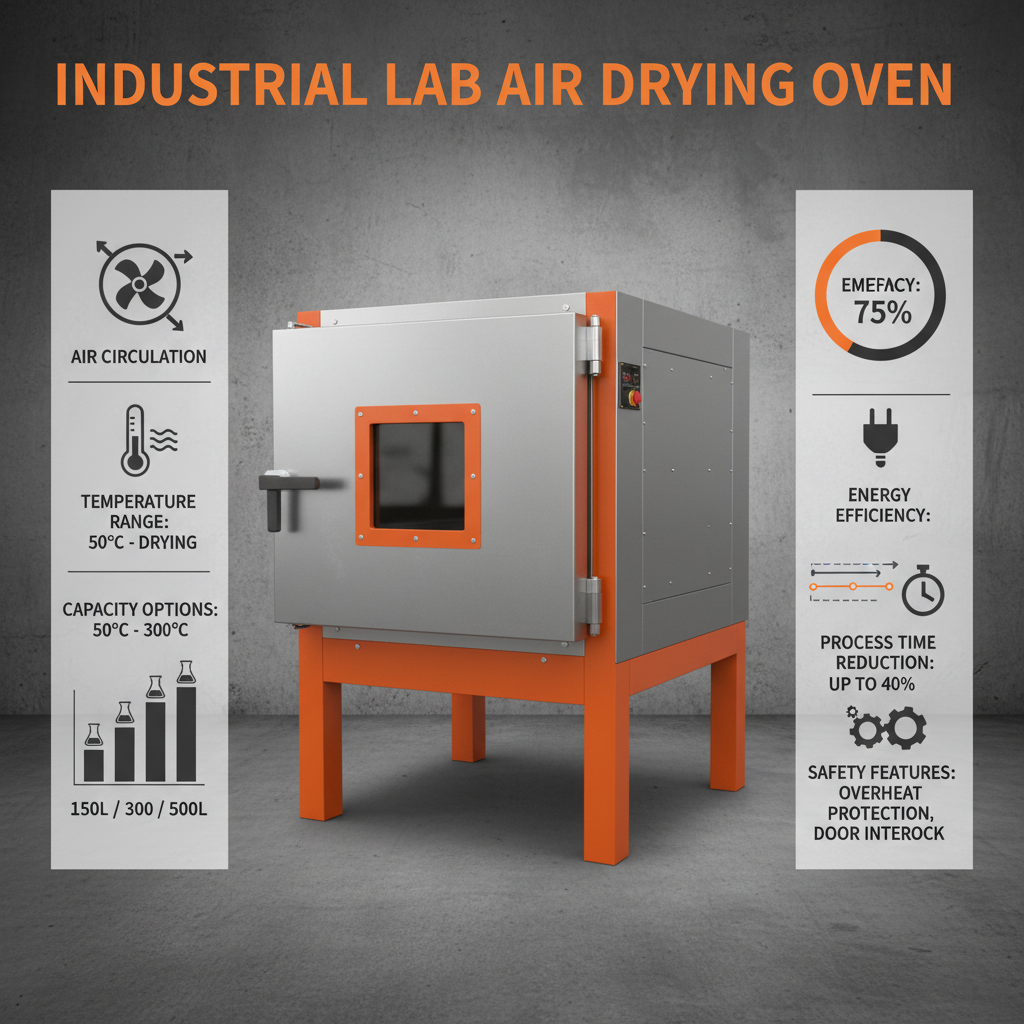
Selecting the Right Industrial Lab Air Drying Oven: Key Specifications
Choosing the appropriate oven requires careful consideration of several specifications. Temperature range is critical; ensure it meets the requirements of your applications. Chamber size should accommodate your largest sample volume with sufficient airflow. Temperature uniformity is essential for consistent drying. Consider power requirements and available voltage. Finally, look for ovens that meet relevant safety standards and certifications. CZ Lab Instrument offers a variety of models with differing specifications to suit diverse laboratory environments.
Conclusion: Investing in a Reliable Air Drying Oven
Selecting the right industrial lab air drying oven is a crucial investment for any laboratory. By carefully considering your specific needs, application requirements, and desired features, you can ensure accurate, reliable, and efficient drying processes. At CZ Lab Instrument, we offer a comprehensive range of high-quality ovens designed to meet the demands of modern laboratories. Don’t compromise on quality – choose a drying oven that will support your research and production goals for years to come.
Frequently Asked Questions (FAQs)
What safety features should I look for in an air drying oven?
Essential safety features include over-temperature protection, which automatically shuts off the heating element if the temperature exceeds a set limit. Door interlocks prevent the oven from operating when the door is open, minimizing heat loss and potential exposure. Additionally, look for ovens with robust construction and proper insulation to prevent burns and ensure stable operation. Safety certifications from recognized organizations are also a good indicator of a well-designed and safe product.
How important is temperature uniformity in an air drying oven?
Temperature uniformity is critical for achieving consistent and reliable drying results. If the temperature varies significantly within the chamber, samples in different locations will dry at different rates, leading to inconsistencies in moisture content. High-quality ovens utilize forced convection fans and optimized air circulation patterns to minimize temperature gradients and ensure uniform heating throughout the chamber. A low temperature uniformity specification (e.g., ±1°C) indicates a more consistent drying process.
What materials are commonly dried using air drying ovens?
A wide variety of materials can be dried using air drying ovens. Common examples include powders, granules, liquids, polymers, ceramics, pharmaceuticals, food products, and chemical compounds. The specific temperature and drying time will vary depending on the material's properties and desired moisture content. Always consult material safety data sheets (MSDS) and follow recommended drying procedures to prevent damage or degradation.


