
Comprehensive Guide to Laminar Flow Air Cabinet Technology and Applications
Understanding Laminar Flow Air Cabinets: A Comprehensive Guide
Laminar flow air cabinets are essential pieces of equipment for maintaining sterile environments in a variety of applications, from scientific research to pharmaceutical manufacturing. These cabinets provide a consistent, unidirectional airflow to prevent contamination of sensitive materials. Choosing the right laminar flow air cabinet is crucial for ensuring the integrity of your work. This article will provide an in-depth look at laminar flow technology, its applications, key features, and factors to consider when selecting a cabinet.
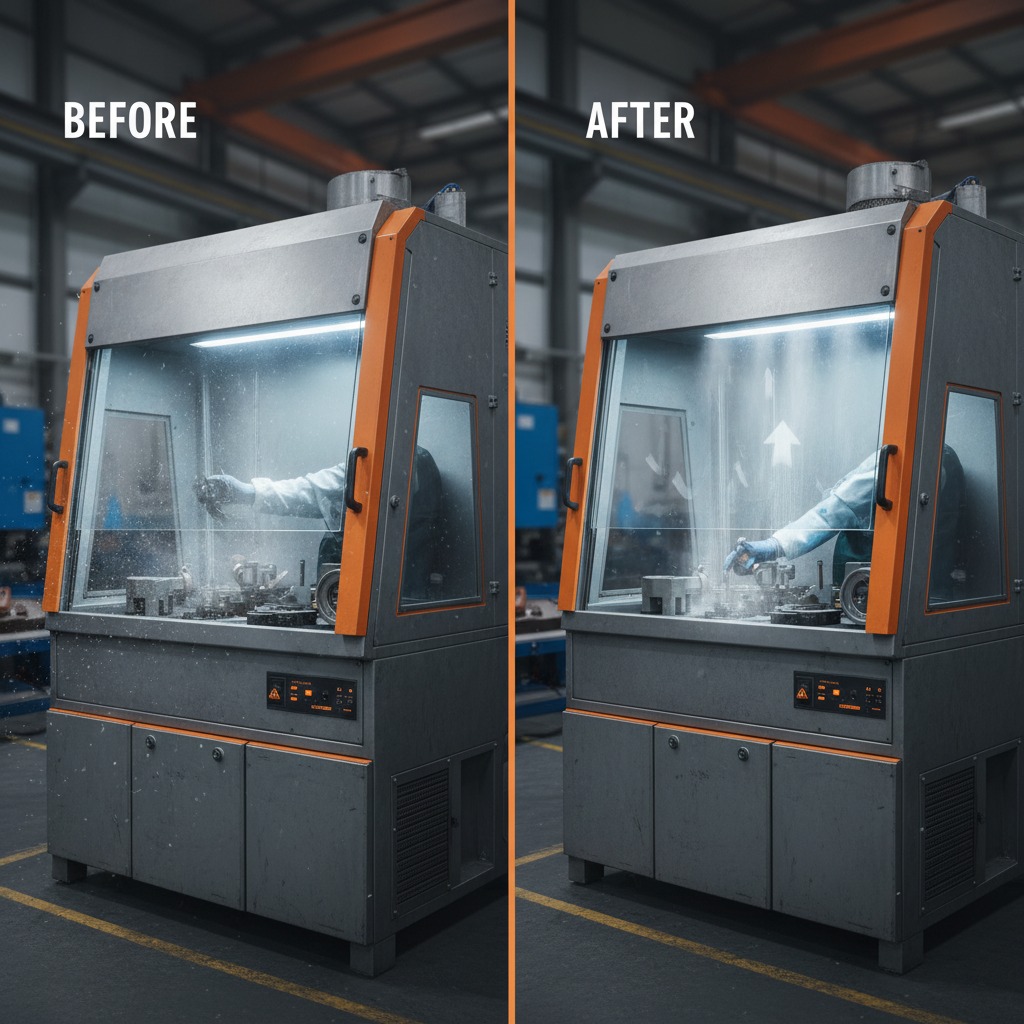
What is Laminar Flow and How Does It Work?
Laminar flow, as the name suggests, refers to airflow that moves in parallel layers (laminae) without disruption. In a laminar flow air cabinet, air is drawn through a HEPA filter, which removes at least 99.97% of particles 0.3 microns in diameter. This filtered air is then expelled across the work surface in a smooth, unidirectional stream. This continuous airflow prevents airborne contaminants from entering the work area, maintaining a sterile environment. It's vital to understand that laminar flow cabinets protect the product but do not protect the user – for that, you need a biosafety cabinet.
Key Benefit: Maintaining a sterile work environment to prevent contamination and ensure the reliability of research or production processes.
Applications of Laminar Flow Air Cabinets
Laminar flow cabinets have a diverse range of applications across various industries. In pharmaceutical manufacturing, they are used for compounding sterile medications. In biotechnology and life science research, they are crucial for cell culture, microbiology, and molecular biology applications. Electronics manufacturing utilizes these cabinets to protect sensitive components from dust and contaminants. Other applications include food preparation, medical device assembly, and plant tissue culture. The ability to control the environment is paramount in these fields, and a high-quality laminar flow cabinet is a foundational component.
Common Applications:
• Pharmaceutical Compounding
• Cell Culture
• Microbiology
• Electronics Manufacturing
Horizontal vs. Vertical Laminar Flow Air Cabinets: Which is Right for You?
Laminar flow cabinets come in two main configurations: horizontal and vertical. Horizontal flow cabinets expel air across the work surface from back to front. They are generally less expensive and suitable for applications where protecting the product is the primary concern. Vertical flow cabinets, on the other hand, deliver air from the top down. This provides better user protection as the airflow directs contaminants away from the operator's breathing zone. The choice between the two depends on the specific application and safety requirements.
Key Features to Consider When Choosing a Laminar Flow Air Cabinet
Selecting the appropriate laminar flow air cabinet requires careful consideration of several factors. The size of the work area is crucial. You need to ensure the cabinet can accommodate your equipment and workflow. The type of filter (typically HEPA) and its efficiency rating are also important. Look for features like digital airflow monitoring, UV sterilization, and easy-to-clean surfaces. Furthermore, consider the cabinet’s construction materials – stainless steel is preferred for its durability and ease of sterilization. CZ Lab Instrument offers a range of cabinets tailored to meet diverse needs.
Maintenance and Best Practices
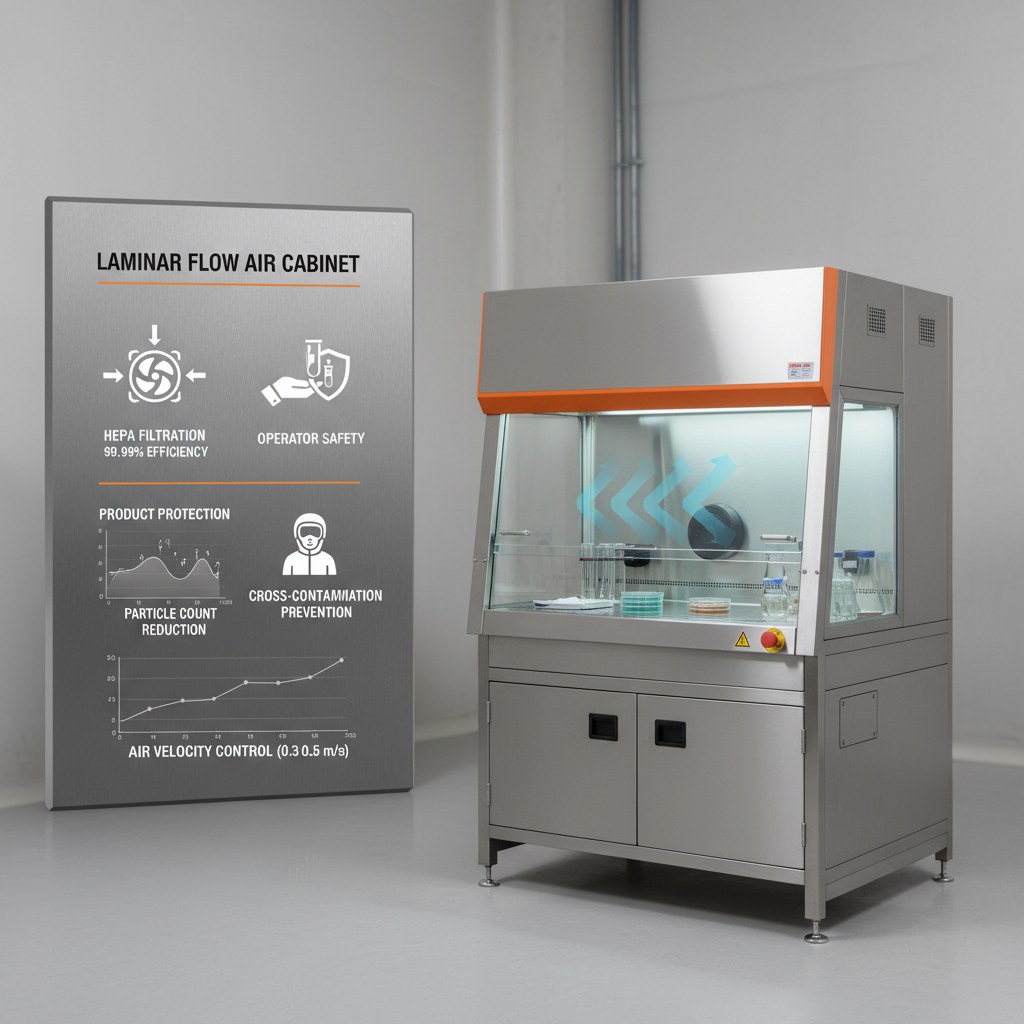
Regular maintenance is essential for ensuring the optimal performance of your laminar flow air cabinet. This includes regularly replacing the HEPA filter (typically every 6-12 months, depending on usage), cleaning the work surface with appropriate disinfectants, and monitoring the airflow. Avoid obstructing the airflow inlets or outlets, and ensure the cabinet is placed in a location free from drafts and vibrations. Following these best practices will extend the lifespan of your cabinet and maintain a consistently sterile environment.
Conclusion: Investing in a Reliable Laminar Flow Air Cabinet
A laminar flow air cabinet is a critical investment for any laboratory or manufacturing facility that requires a sterile work environment. By carefully considering your specific needs and choosing a high-quality cabinet, you can ensure the integrity of your work and protect your valuable resources.
Frequently Asked Questions (FAQs)
How often should the HEPA filter be replaced?
The HEPA filter should typically be replaced every 6-12 months, depending on the usage and environmental conditions. However, it's essential to monitor the filter's performance using a differential pressure gauge. If the pressure drop exceeds the manufacturer's recommendations, the filter should be replaced, even if it hasn't been a full year. Regular filter replacement is crucial for maintaining the cabinet's sterility.
What cleaning agents are safe to use inside the cabinet?
Use only cleaning agents specifically designed for laminar flow cabinets and compatible with the cabinet's materials. 70% isopropyl alcohol is a common and effective disinfectant. Avoid using harsh chemicals, abrasive cleaners, or flammable substances. Always follow the manufacturer's recommendations for cleaning and disinfection protocols.
Can a laminar flow cabinet be used for working with infectious materials?
No, a laminar flow cabinet is not suitable for working with infectious materials. Laminar flow cabinets do not provide personnel protection. For handling infectious materials, a biosafety cabinet (BSC) is required, as it provides both product protection and operator safety. BSCs have different classes based on the level of containment they provide.
What is the difference between a laminar flow cabinet and a biosafety cabinet?
The key difference is protection. Laminar flow cabinets protect the product from contamination but offer no protection to the user. Biosafety cabinets (BSCs) protect both the product and the user by containing airborne hazards. BSCs use HEPA filters and a specific airflow pattern to prevent the escape of infectious materials. BSCs are essential for working with pathogens, while laminar flow cabinets are suitable for applications where only product sterility is a concern.


