
Schmidt Test Concrete Hammer A Comprehensive Guide to Concrete Quality
Schmidt Test Concrete Hammer: A Comprehensive Guide
Ensuring the quality and durability of concrete is crucial in construction and engineering projects. The Schmidt Test Concrete Hammer, also known as a rebound hammer, is an indispensable tool for non-destructive testing of concrete compressive strength. This article provides an in-depth look at the Schmidt hammer, its principles, applications, and considerations for accurate testing. Understanding its use can significantly contribute to maintaining structural integrity and safety. CZLabInstrument offers a range of high-quality Schmidt hammers designed for reliable performance.
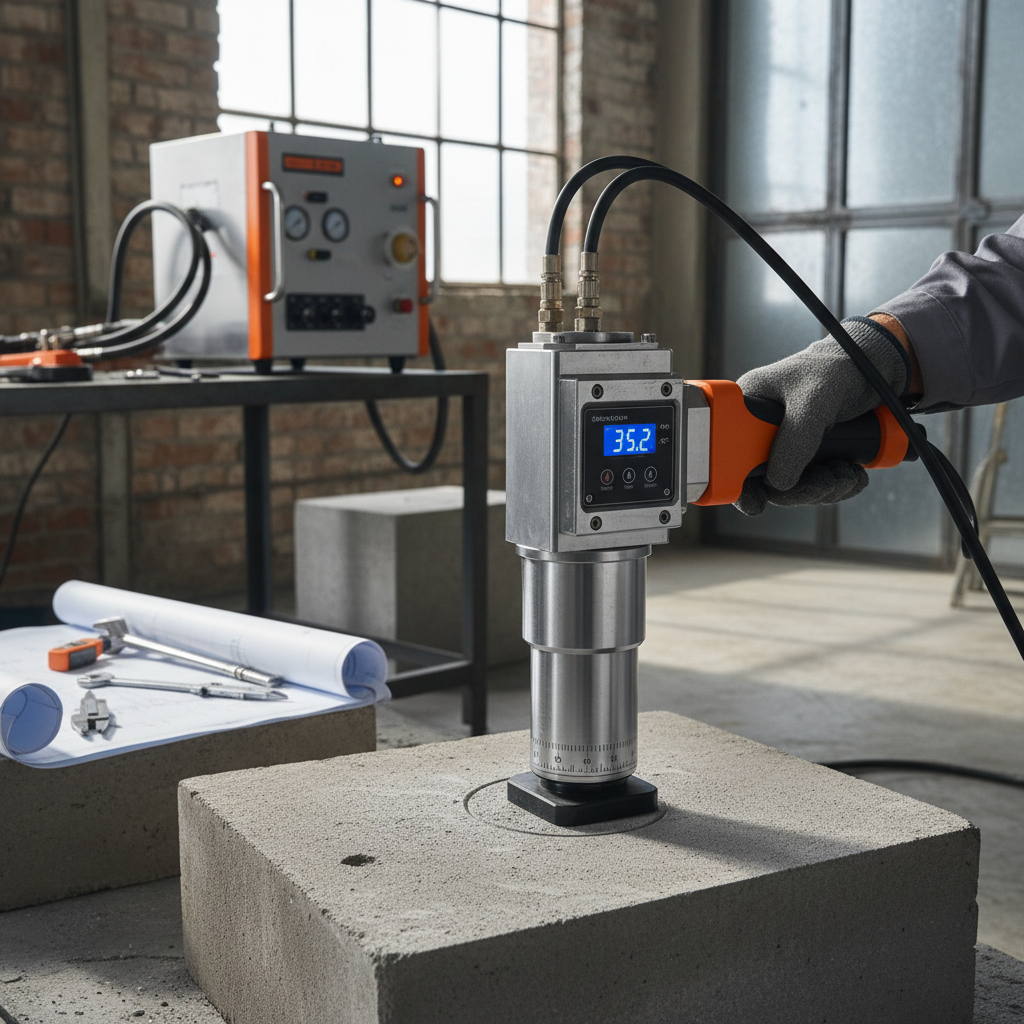
What is a Schmidt Test Concrete Hammer?
The Schmidt hammer operates on the principle of rebound. When the hammer’s mass strikes the concrete surface, the rebound distance is measured on a scale. This rebound value is correlated to the concrete’s compressive strength. It’s a quick, portable, and relatively inexpensive method for assessing concrete quality in-situ. The Schmidt rebound hammer doesn't damage the concrete and provides immediate results, making it ideal for widespread testing.
Key Benefit: Non-destructive testing allows for assessment without compromising the structural integrity of the concrete.
Applications of the Schmidt Test Concrete Hammer
The Schmidt hammer is widely used across various construction and engineering applications. These include: assessing the uniformity of concrete, identifying weak areas in structures, monitoring concrete strength development over time, and evaluating the effectiveness of repairs. Common applications also include testing precast concrete elements, bridges, pavements, and hydraulic structures. Regular testing helps ensure long-term durability and safety.
Common Applications:
• Assessing concrete uniformity
• Identifying weak areas
• Monitoring strength development
• Evaluating repair effectiveness
Schmidt Test Concrete Hammer: Different Types and Ranges
Several types of Schmidt hammers are available, each suited for different applications and concrete strength ranges. The most common types include Type N, Type L, and Type F hammers. Type N is the most versatile, suitable for general testing. Type L is designed for lighter structures and lower strength concrete. Type F is ideal for high-strength concrete. Selecting the right hammer is crucial for accurate readings. CZLabInstrument provides guidance on selecting the most appropriate hammer for your specific needs.
Factors Affecting Accuracy of Schmidt Hammer Readings
Achieving accurate results requires careful attention to several factors. The surface being tested must be smooth, clean, and free from loose particles. The concrete must be sufficiently cured. Readings should be taken at multiple locations within the test area and averaged to account for local variations. The angle of impact is also critical; the hammer must be held perpendicular to the surface. Proper calibration of the hammer is essential for ensuring the reliability of the readings. Refer to relevant standards like ASTM C805 for detailed procedures.
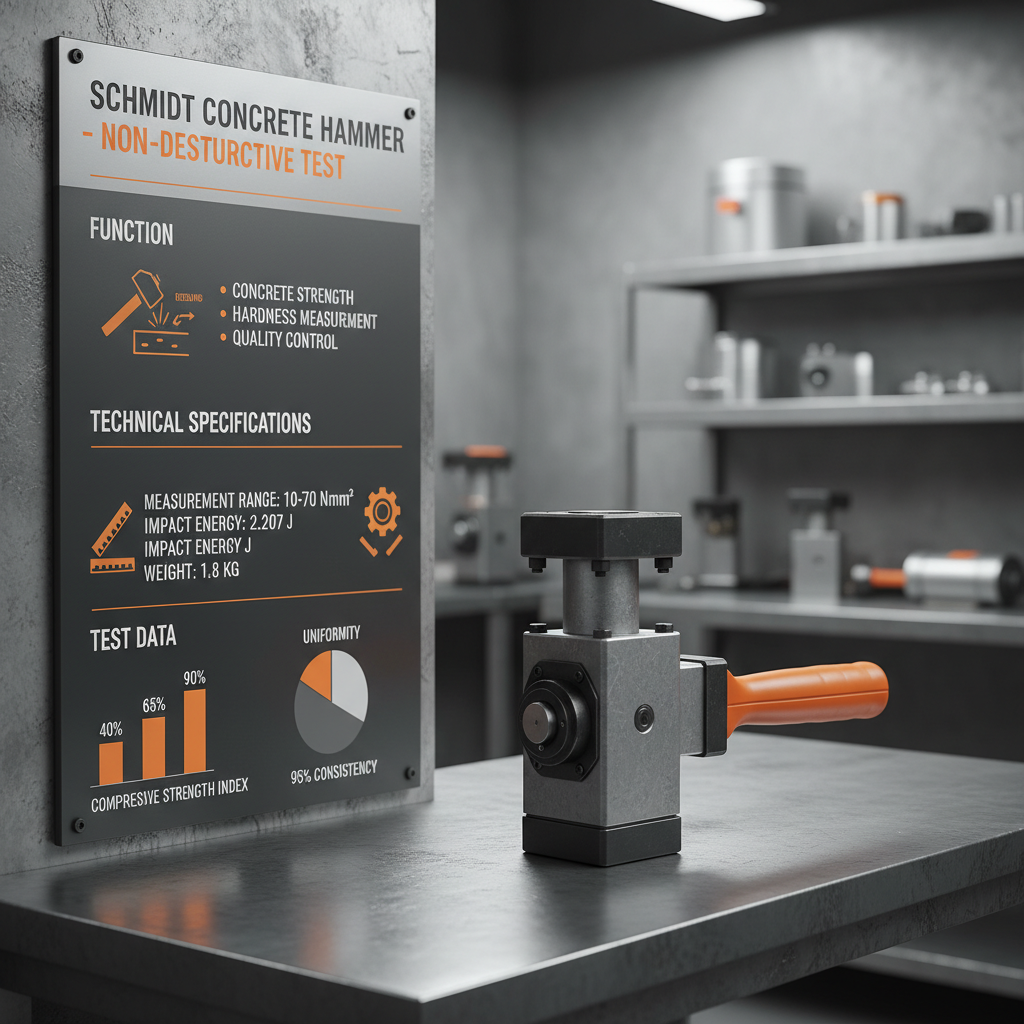
CZLabInstrument Schmidt Hammers: Quality and Reliability
At CZLabInstrument, we provide high-quality Schmidt hammers that meet international standards. Our hammers are rigorously tested for accuracy and durability, ensuring reliable performance in demanding environments. We offer a range of models to suit various applications and budgets. We also provide comprehensive support and calibration services to ensure the longevity and accuracy of your testing equipment. Choosing CZLabInstrument means investing in quality and peace of mind.
Conclusion: Ensuring Concrete Quality with Precision Tools
The Schmidt Test Concrete Hammer remains an essential tool for evaluating concrete strength and durability. By understanding its principles, applications, and limitations, professionals can ensure the safety and longevity of concrete structures. CZLabInstrument is committed to providing reliable and accurate testing solutions.
Frequently Asked Questions (FAQs)
How do I correlate the rebound number to concrete compressive strength?
The rebound number obtained from the Schmidt hammer is not a direct measure of compressive strength. It needs to be correlated using a calibration curve specific to the concrete mix and testing conditions. This is typically done by taking core samples from the structure, testing their compressive strength in a laboratory, and plotting the rebound numbers against the corresponding strength values. This creates a calibration curve that can be used to estimate the strength of other areas based on their rebound numbers. It’s crucial to create a new calibration curve for each project, as variations in concrete mix and aggregate can significantly affect the correlation.
What is the importance of taking multiple readings?
Concrete is rarely homogenous, meaning its strength can vary from one location to another. Taking multiple readings (typically at least 10 readings per area) and calculating the average minimizes the impact of local variations and provides a more representative estimate of the concrete's strength. It helps to identify potential weak spots or inconsistencies in the structure. Discarding outliers (readings that significantly deviate from the average) can also improve the accuracy of the assessment.
How often should a Schmidt hammer be calibrated?
Schmidt hammers should be calibrated regularly to ensure their accuracy. The recommended calibration frequency is typically every six months or after a specific number of tests (e.g., 1000 tests), whichever comes first. Calibration involves checking the hammer’s rebound value against a known standard and adjusting it if necessary. CZLabInstrument offers calibration services to maintain the accuracy of your equipment.


