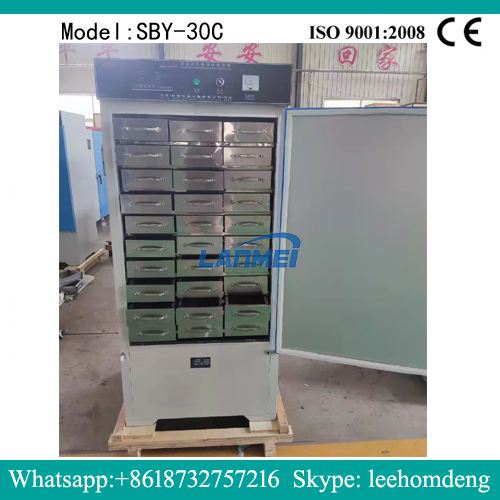
Precision biochemical incubators Solutions for Kenya's Research Labs

Empowering Kenyan scientific innovation with high-performance thermal control and sample preparation instruments tailored for tropical climates.

Precision biochemical incubators Solutions for Kenya's Research Labs

Our comprehensive range of lab instruments ensures rigorous temperature stability and sample integrity for medical, agricultural, and environmental testing across Kenya.

The Landscape of Laboratory Instrumentation in Kenya

Analyzing the integration of material testing and incubation technology in East Africa's hub.

In Kenya, the demand for advanced lab incubators is driven by a rapidly expanding biotech sector and a strong focus on agricultural research in regions like Nairobi and Kisumu. However, the local environment poses challenges, particularly regarding power stability and high ambient humidity, which can affect the precision of sensitive instruments.

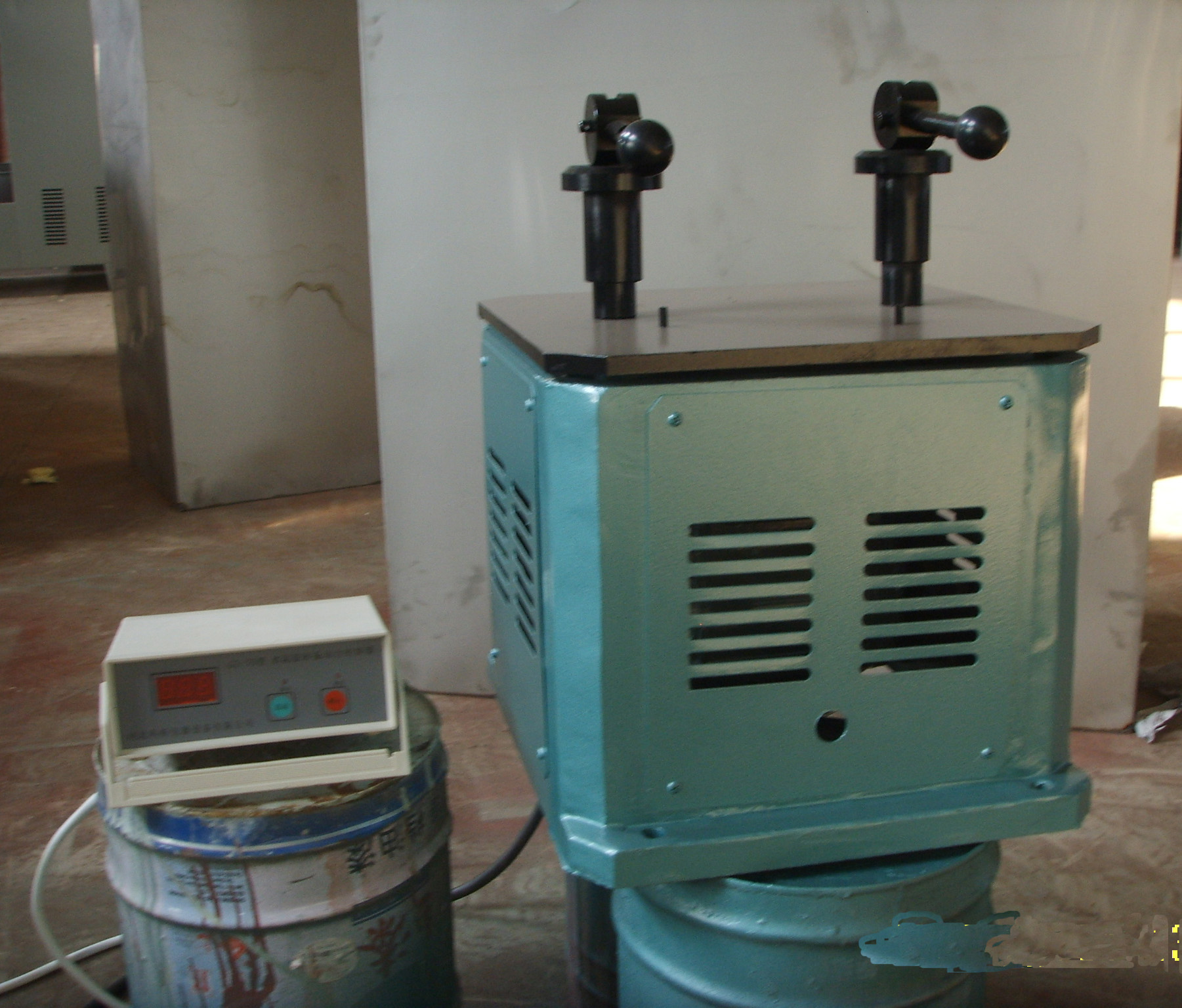
The adoption of a Laboratory sample Crusher has become essential for Kenyan soil and mineral analysis labs, enabling the processing of diverse geological samples from the Great Rift Valley into homogeneous powders for accurate chemical testing.

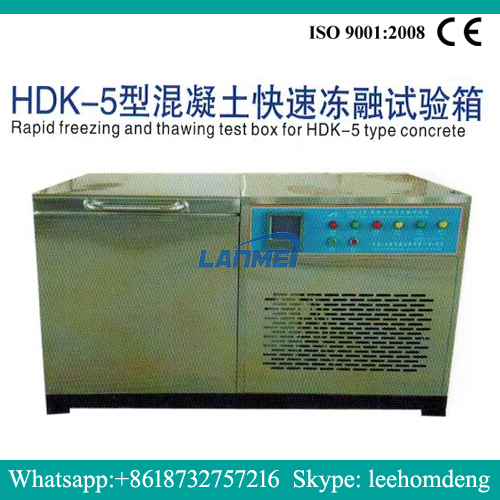
Furthermore, the rise of cold-chain pharmaceutical logistics in Kenya has increased the reliance on Cooling incubator systems to maintain strict temperature ranges for vaccine research and biological sample storage, mitigating the risks associated with the tropical climate.
Evolution and Trajectory of Testing Instruments

From manual processing to automated precision control in Kenyan laboratories.

Market Development History

From 2000 to 2010, the Kenyan market relied heavily on basic mechanical incubators and manual crushing methods. Equipment was often imported from Europe with limited local support, leading to high downtime for critical research projects.

Between 2011 and 2020, a shift toward digitalization occurred. The introduction of the Lab BOO incubator and other PID-controlled systems allowed Kenyan scientists to achieve precise temperature ramping, critical for biochemical assays and microbiology.

Since 2021, there has been a surge in "smart" instrumentation. Modern labs now integrate IoT-enabled monitoring to ensure that thermal fluctuations in biochemical incubators are tracked in real-time, reducing sample loss due to power outages.

Future Development Trends

Energy-Efficient Thermal Systems

Given the cost of electricity in Kenya, future trends point toward ultra-insulated chambers and energy-saving compressors in cooling systems to lower operational costs.

Miniaturization and Portability

There is an increasing demand for compact lab incubators that can be deployed in field clinics for rapid diagnostic testing outside major cities.

Automated Sample Pre-treatment

Integration of automated feeding mechanisms with the Laboratory sample Crusher will reduce human error and increase throughput in industrial material testing.

Industry Trends and Future Outlook

Strategic forecasts for the Kenyan instrument manufacturing and testing sector.

Green Lab Certification
Shift towards eco-friendly refrigerants in Cooling incubators to meet international environmental standards.
Digital Twin Integration
Using software simulations to optimize temperature curves before physical trials in biochemical incubators.
Smart Power Backup
Integrated UPS systems specifically for Lab BOO incubator models to prevent sample loss during power dips.
High-Throughput Processing
Advancements in the Laboratory sample Crusher to handle harder mineral samples from mining projects.

Industry Outlook

Over the next 3-5 years, the Kenyan instrument market will likely see a 15% CAGR in the demand for high-precision thermal equipment. Google search trends indicate a growing interest in "sustainable lab equipment" and "automated biochemical testing" within the East African region.

The convergence of AI-driven diagnostics and high-end lab incubators will allow for more personalized medicine and targeted agricultural pest control, cementing Kenya's position as a regional leader in scientific research.

Localized Application Scenarios in Kenya

Practical implementations of our testing instruments across various Kenyan sectors.

01. Tea and Coffee Quality Analysis

Using a Laboratory sample Crusher to homogenize tea leaf samples from Kericho for precise chemical composition analysis to ensure export grade quality.

02. Tropical Disease Research

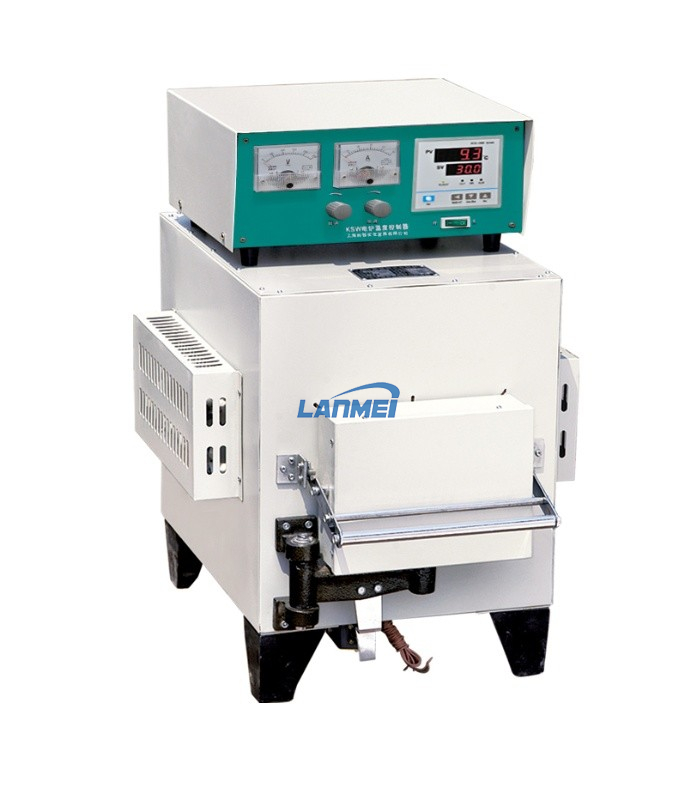
Deploying biochemical incubators in Nairobi medical centers to simulate human body temperatures for the cultivation of malaria-related parasites.

03. Vaccine Storage & Testing

Utilizing Cooling incubator units to maintain the stability of temperature-sensitive biological reagents in coastal regions with high humidity.

04. Soil Fertility Mapping

Combining sample crushing and controlled incubation to analyze nitrogen-fixing bacteria in Kenyan soil, optimizing fertilizer use for small-scale farmers.

05. Pharmaceutical Formulation

Employing Lab BOO incubator systems for stability testing of generic medications to ensure they remain effective under Kenyan climatic conditions.

Brand Story

Global Development Journey of Cangzhou Lanmei Import and Export Trade Co., Ltd.

Foundation of Excellence

Established with a mission to bridge the gap between high-end manufacturing and global laboratory needs, focusing on reliability and precision.

Technical Innovation

We invested heavily in R&D to solve common pain points in material testing, such as thermal drift and sample contamination.

Global Market Expansion

Expanding our reach into Africa, specifically Kenya, by adapting our instruments to handle voltage fluctuations and extreme weather.

Quality Certification

Achieving international ISO standards to ensure every instrument delivered to Kenyan labs meets global scientific benchmarks.

Commitment to Science

Our current focus is providing integrated solutions that combine crushing and incubation for a seamless laboratory workflow.

Frequently Asked Questions in Kenya

Expert answers to common queries regarding laboratory instrument maintenance and selection.

How to maintain a Cooling incubator in high-humidity areas like Mombasa?

We recommend using dedicated dehumidifiers in the lab room and performing monthly condenser coil cleaning to prevent moisture buildup and ensure efficient cooling.

Can a Laboratory sample Crusher handle hard basaltic rocks found in Kenya?

Yes, our professional-grade crushers use tungsten carbide or high-chrome steel alloys specifically designed to pulverize hard geological samples into fine powder.

What is the difference between biochemical incubators and standard lab incubators?

Biochemical incubators offer more precise control over oxygen and humidity levels, whereas standard lab incubators primarily focus on temperature stability for general microbial growth.

How does the Lab BOO incubator handle power surges in Nairobi?

Our units are equipped with wide-voltage input protection and we strongly recommend pairing them with an external stabilizer to protect the PID controllers.

What is the expected lifespan of a Cooling incubator in a research setting?

With regular calibration and maintenance, our cooling systems are designed to last 10-15 years, provided the door seals are checked annually.

Are these lab incubators compatible with 220V Kenyan power outlets?

Yes, all our instruments are manufactured to be compatible with the 220-240V / 50Hz standard used throughout Kenya.

Get Your Precision Lab Quote Today

Contact our specialists to find the ideal instrumentation setup for your research facility in Kenya.

Contact Us Now
Leave Your Message

If you are interested in our products, you can choose to leave your information here, and we will be in touch with you shortly.