Advanced Lab Solutions for Libya: High-Precision biochemical incubators

Empowering Libyan research and industrial testing with world-class material testing and specialized laboratory instrumentation designed for extreme environments.

Advanced Lab Solutions for Libya: High-Precision biochemical incubators

Our comprehensive suite of laboratory instruments provides the stability and precision required for the Libyan manufacturing and scientific sectors, ensuring reliable results from sample preparation to biological incubation.

Laboratory Instrumentation Landscape in Libya

Analyzing the intersection of extreme Saharan climates and modern industrial requirements.

In Libya, the manufacturing and testing sector faces unique challenges due to high ambient temperatures and dust infiltration. The demand for a robust Laboratory sample Crusher is high, particularly in the mining and petroleum industries, where raw materials must be homogenized under harsh conditions without compromising sample integrity.

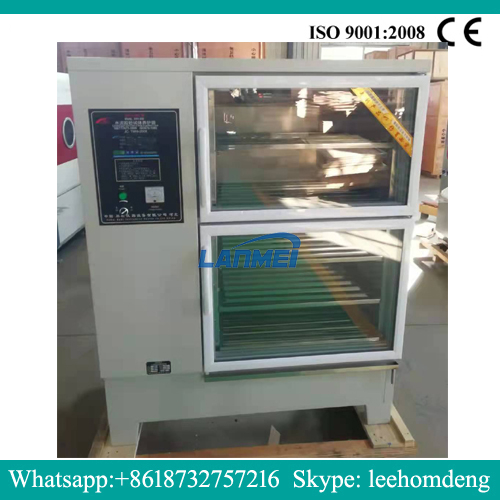
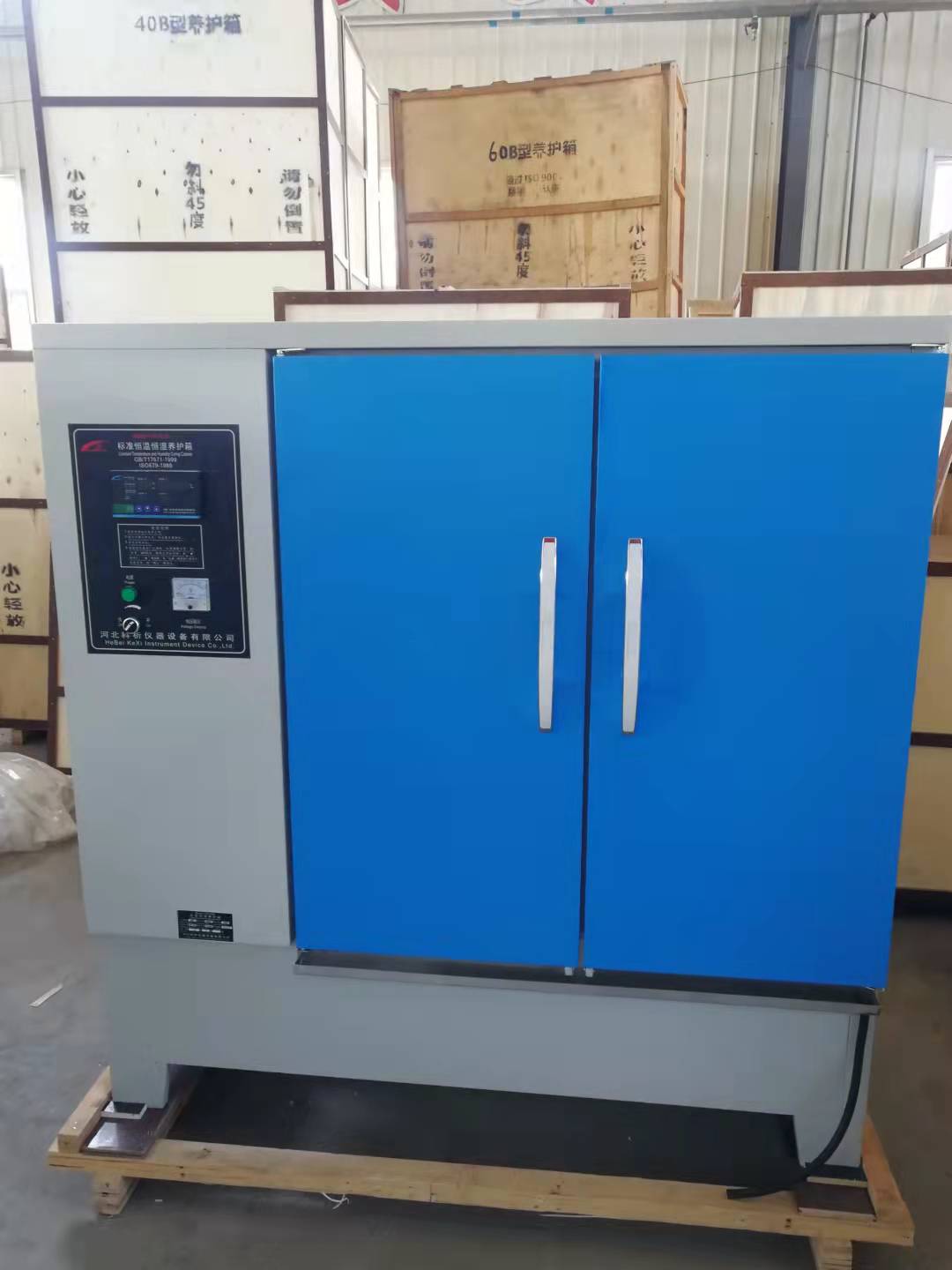
The healthcare and food safety sectors in Libya increasingly rely on precise thermal control. Given the volatile outdoor temperatures, the utilization of a Cooling incubator has become essential for preserving sensitive biological samples and conducting controlled fermentation processes that are immune to external heat waves.

Currently, there is a shift toward integrating more automated lab incubators across Tripoli and Benghazi's academic institutions. The focus is moving away from generic equipment toward specialized instruments that can maintain strict homeostasis despite local power fluctuations and extreme environmental stress.
Evolution of Material Testing in Libya

From manual processing to digitized biochemical precision.

Market Development History

From 1990 to 2010, the Libyan market primarily relied on heavy-duty mechanical equipment and basic heating chambers. Sample preparation was largely manual, and the primary goal was structural durability over precision.

Between 2010 and 2020, a transition occurred toward digital controllers. The introduction of biochemical incubators allowed for more sophisticated pharmaceutical research, moving the industry from simple storage to active biological cultivation.

Since 2020, the focus has shifted to "Intelligent Precision." The integration of IoT and high-efficiency cooling systems has allowed Libyan labs to synchronize their data with international standards, ensuring that local material tests are globally recognized.

Future Development Trends

Energy-Efficient Thermal Management

Future adoption will focus on low-energy Lab BOO incubator systems that utilize advanced insulation to minimize energy consumption in high-heat regions.

Automated Sample Homogenization

The trend is moving toward smart crushing systems that integrate automatic weighing and grinding to reduce human error in petrochemical analysis.

Remote Monitoring Integration

Cloud-based monitoring for temperature-sensitive incubators will become standard to prevent sample loss during unpredictable power grid instabilities.

Strategic Trends & Future Outlook for Libyan Labs

Driving innovation in material testing and biochemical stability.

Climate-Adaptive Engineering
Designing equipment with reinforced cooling units to ensure stability in Libya's 40°C+ summer peaks.
Digital Precision Control
Transitioning to PID-controlled lab incubators for ultra-stable temperature gradients.
Sample Purity Standards
Implementing high-grade stainless steel in Laboratory sample Crusher units to prevent cross-contamination.
Sustainable Lab Ops
Integrating solar-ready power inputs for laboratory equipment in remote Libyan oil field sites.

Industry Outlook

Based on current growth trajectories in North Africa, we predict a 15% increase in demand for high-end biochemical incubators as Libya expands its local pharmaceutical production capabilities to reduce import dependency.

Furthermore, the trend toward "Green Labs" will push the industry toward CFC-free refrigeration in cooling systems, aligning with international environmental protocols while maintaining the rigorous cooling needs of the region.

Localized Application Scenarios in Libya

Practical deployments of material testing and incubation technology.

01. Oil & Gas Mineral Analysis

Using the Laboratory sample Crusher to process core samples from the Sirte Basin, ensuring precise particle size distribution for geological assessment.

02. Pharmaceutical Stability Testing

Deploying lab incubators to test the shelf-life of medicines under simulated Libyan environmental stress, ensuring efficacy in hot climates.

03. Agricultural Soil Research

Applying biochemical incubators to study soil microbiota and optimize fertilizer usage for desert farming initiatives.

04. Clinical Diagnostic Labs

Utilizing the Cooling incubator for the precise storage of reagents and vaccines in urban clinics across Tripoli.

05. Food Safety Quality Control

Implementing Lab BOO incubator systems to monitor microbial growth in imported food products, ensuring compliance with health standards.

Brand Story

Global Development Journey of Cangzhou Lanmei Import and Export Trade Co., Ltd.

Foundational Precision

Established with a vision to bridge the gap between complex industrial needs and precision engineering in material testing.

Global Expansion

Expanding our footprint into North Africa, tailoring our instruments to withstand extreme thermal and dusty environments.

Technological Breakthroughs

Innovating the core cooling mechanisms of our incubators to achieve 0.1°C precision regardless of external ambient heat.

Commitment to Quality

Implementing rigorous ISO standards to ensure every crusher and incubator delivered to Libya exceeds international durability benchmarks.

Future Vision

Striving to be the leading partner for Libyan research institutions by providing sustainable, smart, and ultra-reliable lab instrumentation.

Frequently Asked Questions in Libya

Expert answers to common technical queries from the Libyan market.

How does the Cooling incubator handle extreme Libyan summer temperatures?

Our cooling units are equipped with reinforced compressors and high-density insulation specifically designed to maintain internal stability even when ambient temperatures exceed 45°C.

Is the Laboratory sample Crusher suitable for hard rock samples from the desert?

Yes, our crushers use tungsten-carbide alloy components that provide superior hardness and wear resistance, making them ideal for abrasive mineral samples found in Libya.

What is the difference between biochemical incubators and standard lab incubators?

Biochemical incubators provide more stringent control over humidity and atmospheric conditions, essential for biological cultures, whereas standard lab incubators focus primarily on temperature.

How do I ensure a Lab BOO incubator remains accurate during power fluctuations?

We recommend integrating our equipment with a dedicated voltage stabilizer. Our units also feature auto-restart and memory functions to resume programs after a power cycle.

Can your lab incubators be customized for specific Libyan research projects?

Absolutely. We offer customizable chamber sizes, shelf configurations, and temperature ranges to meet the specific needs of Libyan pharmaceutical and agricultural research.

What maintenance is required for a sample crusher in dusty environments?

We suggest regular cleaning of the air filters and lubrication of moving parts every 500 hours of operation to prevent dust accumulation from affecting the motor efficiency.

Ready to Upgrade Your Laboratory?

Contact our technical team today for customized instrument solutions delivered directly to Libya.

Contact Us Now
Leave Your Message

If you are interested in our products, you can choose to leave your information here, and we will be in touch with you shortly.