Advanced biochemical incubators Solutions for Thailand's Research Sector

Precision-engineered materials testing and laboratory equipment tailored for the high-humidity and tropical environments of Southeast Asia.

Advanced biochemical incubators Solutions for Thailand's Research Sector

Providing cutting-edge thermal control and sample preparation tools to enhance the accuracy of material science and biological research across Thailand's leading laboratories.

Laboratory Instrumentation Status in Thailand

Analyzing the challenges of high-precision testing in tropical climates.

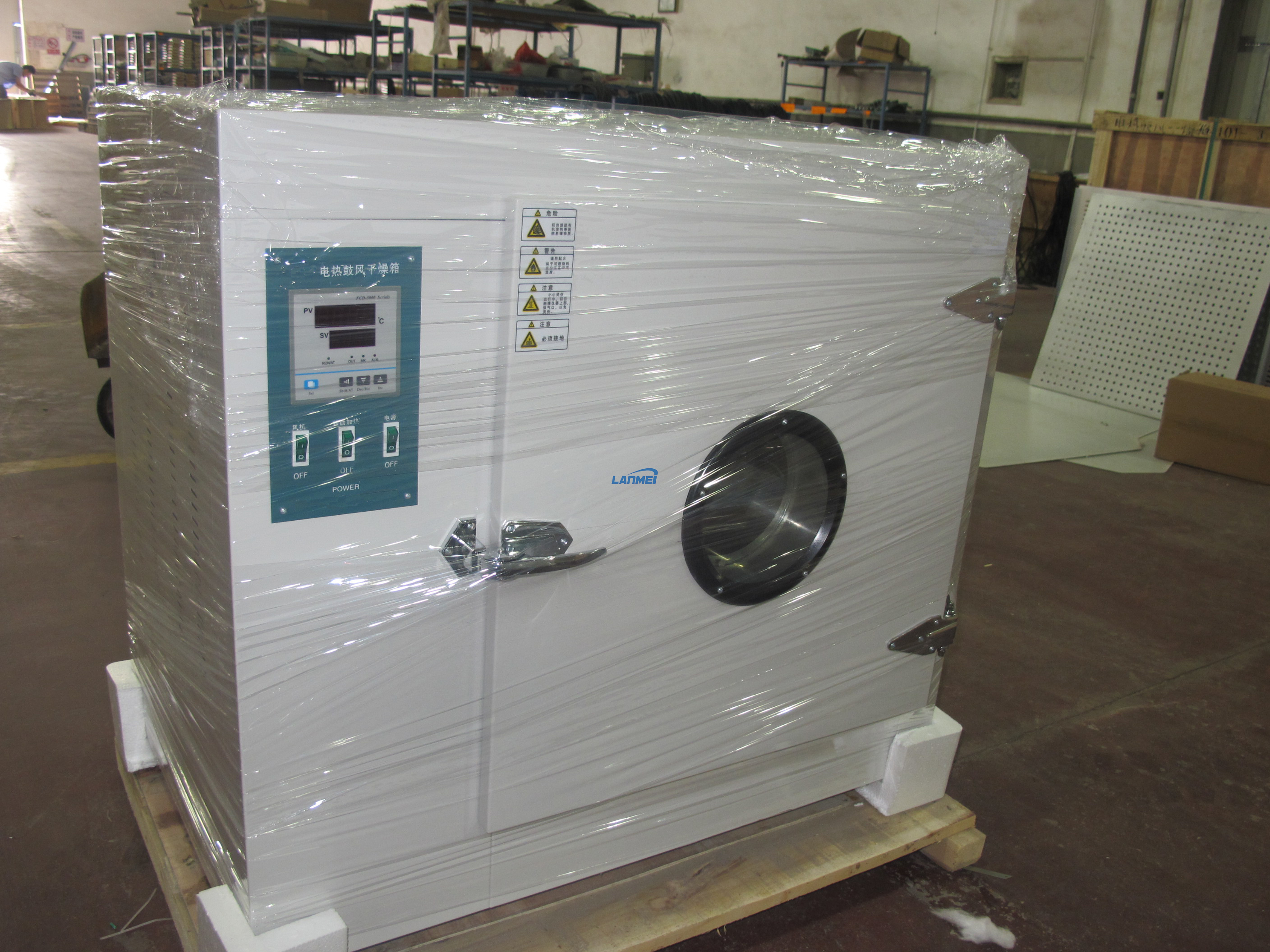
Thailand's manufacturing and research landscape is currently undergoing a rapid digital transformation, yet laboratories face significant environmental challenges. The extreme tropical humidity and high ambient temperatures often interfere with the stability of lab incubators, necessitating equipment with superior insulation and precise PID control to prevent sample degradation.

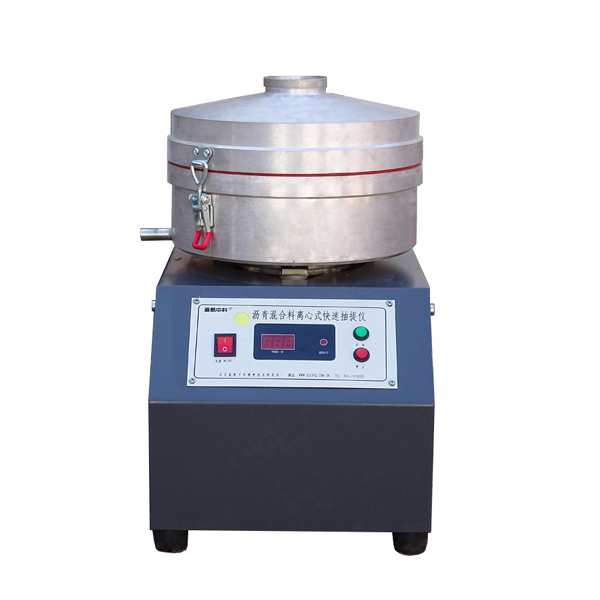
In the agricultural and food processing sectors, which are pillars of the Thai economy, there is a growing demand for high-efficiency Laboratory sample Crusher machines. The need to process organic materials into uniform powders for chemical analysis has shifted from manual labor to automated, high-torque systems to ensure reproducibility in accordance with international ISO standards.

Furthermore, the rise of biotech hubs in Bangkok and Chonburi has increased the reliance on specialized Cooling incubator units. These are critical for simulating low-temperature biological environments, where energy efficiency and stable cooling cycles are paramount to offset the high energy costs associated with constant climate control in Thailand.
Evolution of Thermal and Mechanical Testing in Thailand

From manual preparation to intelligent, automated laboratory ecosystems.

Market Development History

Between 2000 and 2010, the Thai market relied heavily on basic atmospheric chambers and manual crushing tools. Testing was primarily focused on qualitative results, with basic heating elements providing crude temperature control for early-stage biological cultures.

From 2011 to 2020, a shift toward "Industry 4.0" saw the introduction of programmable biochemical incubators. This era marked the transition to digital sensors and precise temperature ramping, allowing Thai researchers to synchronize their results with global pharmaceutical standards.

Since 2021, the focus has pivoted toward "Smart Labs." The integration of IoT and remote monitoring has become standard, especially for Lab BOO incubator systems, enabling real-time alerts via mobile devices to prevent sample loss during power fluctuations common in rural industrial zones.

Future Development Trends

AI-Driven Thermal Optimization

The next 3 years will see AI algorithms predicting ambient temperature swings in Thailand to preemptively adjust cooling loads in incubators, reducing energy consumption by up to 20%.

Ultra-High Precision Sample Homogenization

Demand for nano-scale sample preparation will drive the evolution of crushers toward cryo-milling technologies to preserve heat-sensitive biological compounds.

Green Laboratory Certification

Following Google search trends for "Sustainable Lab Tech," Thailand will shift toward CFC-free refrigerants and biodegradable insulation materials in all new lab equipment installations.

Industry Trends and Future Outlook

Strategic directions for materials testing and biochemical instrumentation.

IoT Integration
Cloud-based monitoring for all lab incubators to ensure 24/7 stability in Thailand's volatile climate.
Energy Efficiency
Implementation of low-power compressors in cooling systems to reduce operational costs for Thai SMEs.
Material Automation
Automated feeding systems for Laboratory sample Crushers to increase throughput in large-scale testing.
Cross-Contamination Control
Advanced sterilization cycles integrated into biochemical incubators for high-purity pharmaceutical research.

Industry Outlook

The trajectory for Thailand's laboratory instrument market is heavily influenced by the "Eastern Economic Corridor" (EEC) initiative. As the region attracts more high-tech manufacturing, the demand for precision material testing instruments is expected to grow at a CAGR of 6.5% over the next five years.

We anticipate a convergence of mechanical testing and biological incubation, where multi-functional stations will allow researchers to perform sample crushing and thermal incubation in a single, integrated workflow, significantly reducing sample transit time and contamination risk.

Localized Application Scenarios in Thailand

Real-world implementations of testing equipment in Thai industries.

1. Rice and Grain Quality Analysis

Utilizing the Laboratory sample Crusher to process various Thai jasmine rice cultivars into fine powders for precise starch and nutritional content analysis in government certification labs.

2. Tropical Vaccine Research

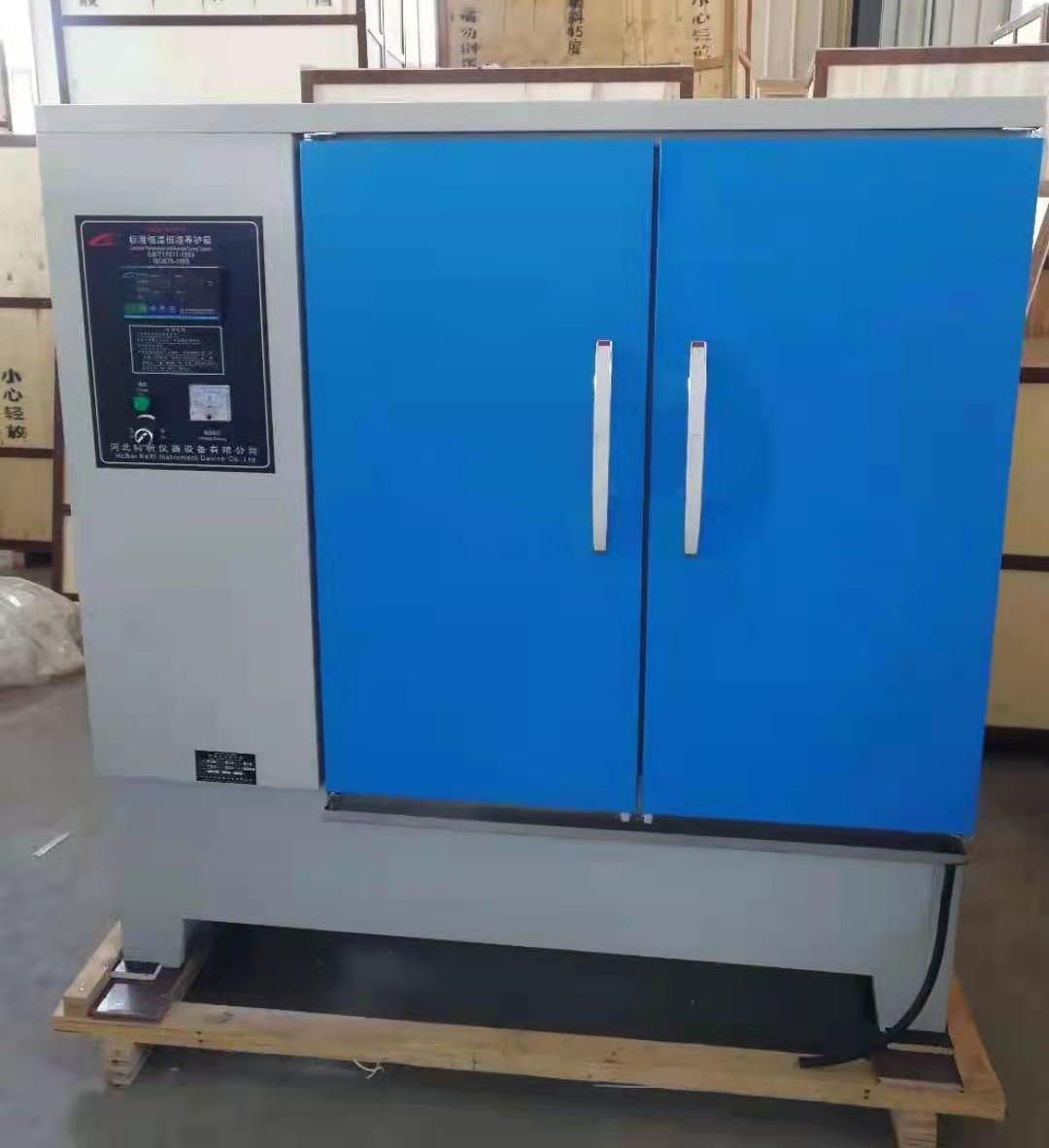
Deploying high-stability biochemical incubators in Bangkok's medical universities to maintain strict 37°C environments for cell culture, regardless of external heatwaves.

3. Rubber Polymer Stability Testing

Using lab incubators to simulate long-term aging and oxidation of natural rubber samples, ensuring the durability of automotive components exported from Thailand.

4. Cold-Chain Pharmaceutical Storage

Integrating Cooling incubator units for the stability testing of temperature-sensitive biologics and insulin, ensuring efficacy during transport across tropical provinces.

5. High-Throughput Soil Analysis

Implementing Lab BOO incubator systems for the rapid incubation of soil microbes to assess the fertility of agricultural lands in the Isan region.

Brand Story

Global Development History of Cangzhou Lanmei Import and Export Trade Co., Ltd.

Foundation and Precision Focus

Established with a vision to bridge the gap between complex industrial needs and precise instrumentation, we began by mastering the core physics of thermal stability.

Technical Breakthroughs

We developed proprietary airflow systems that eliminated temperature gradients, solving the critical pain point of "cold spots" in large-capacity incubators.

Global Market Expansion

By aligning our manufacturing with ISO and CE standards, we expanded our footprint into Southeast Asia, specifically tailoring equipment for Thailand's climate.

Innovation in Automation

We integrated smart-sensing technology, transforming traditional hardware into intelligent systems that communicate directly with lab management software.

Commitment to Sustainability

Our current mission focuses on reducing the carbon footprint of laboratories worldwide through energy-efficient compressors and sustainable materials.

Comprehensive Laboratory Portfolio for Thailand

A complete range of sample preparation and thermal control instruments designed for the Asian market.

Frequently Asked Questions in Thailand

Expert answers to common technical queries regarding laboratory equipment.

How to maintain Lab BOO incubator stability during Thailand's monsoon season?

We recommend using voltage stabilizers to prevent power surges and ensuring the unit is placed in a well-ventilated area to allow the condenser to dissipate heat efficiently despite high external humidity.

What is the best Laboratory sample Crusher for hard organic seeds?

For hard seeds, our high-torque stainless steel series is ideal. It features reinforced grinding chambers and adjustable speed settings to prevent overheating of the sample during crushing.

Can biochemical incubators be customized for specific Thai regulatory standards?

Yes, all our units can be configured to meet specific Thai industrial standards (TIS) or international ISO requirements, including custom calibration certificates.

How does a Cooling incubator differ from a standard fridge for lab use?

Unlike a fridge, a Cooling incubator provides precise temperature control (often within ±0.1°C) and active air circulation to ensure a uniform environment for biological growth.

What is the typical lifespan of lab incubators in high-humidity regions?

With regular maintenance and anti-corrosion coatings, our units typically last 10-15 years. We use high-grade stainless steel to prevent rust in tropical climates.

Are there energy-saving options for large-scale biochemical incubators?

Yes, we offer vacuum-insulated panels and inverter-driven compressors that significantly reduce energy consumption during long-term incubation cycles.

Get Professional Lab Consultation

Our technical team is ready to help you optimize your laboratory workflow with precision equipment in Thailand.

Contact Us Now
Leave Your Message

If you are interested in our products, you can choose to leave your information here, and we will be in touch with you shortly.