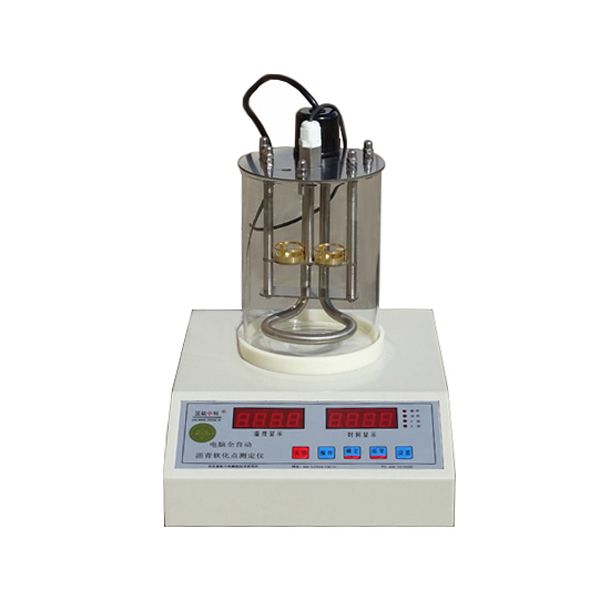
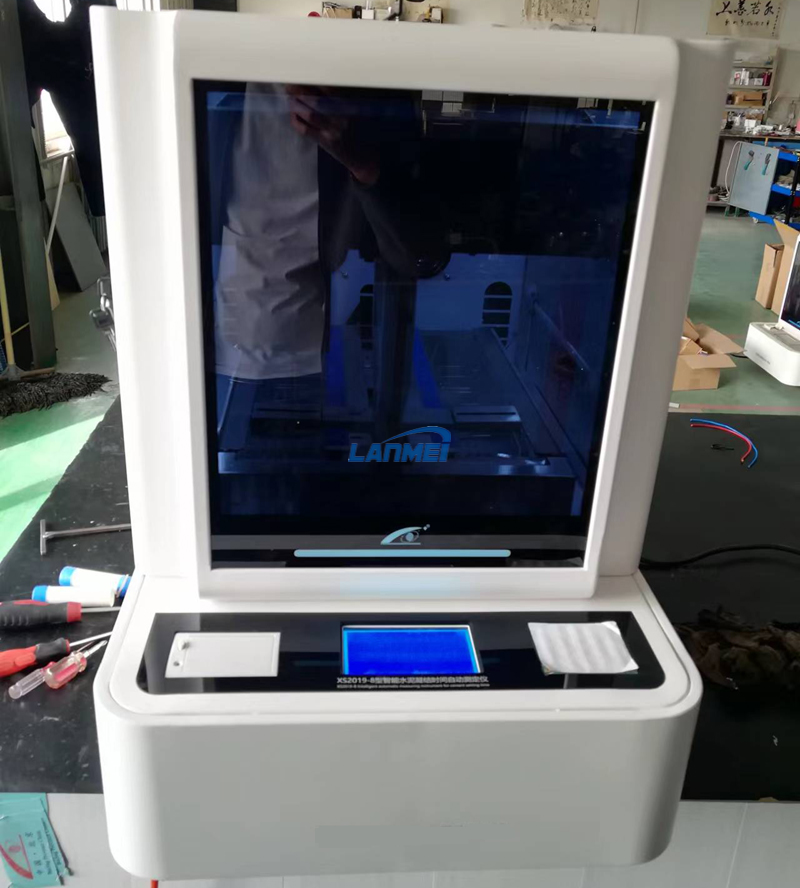
Advanced Material Testing Solutions for biochemical incubators in Malaysia

Precision-engineered laboratory equipment designed to withstand tropical climates and meet rigorous industrial standards across Asia's manufacturing hubs.

Advanced Material Testing Solutions for biochemical incubators in Malaysia

Empowering Malaysian research facilities with high-stability thermal control and sample preparation systems, from heavy-duty crushing to precision incubation.

The Landscape of Material Testing in Malaysia

Analyzing the intersection of high humidity and precision instrumentation

Malaysia's unique equatorial climate, characterized by constant high humidity and temperatures, poses significant challenges for the longevity of lab incubators. In the manufacturing sectors of Selangor and Penang, the demand for instruments that can maintain strict internal environments despite external atmospheric volatility is paramount.

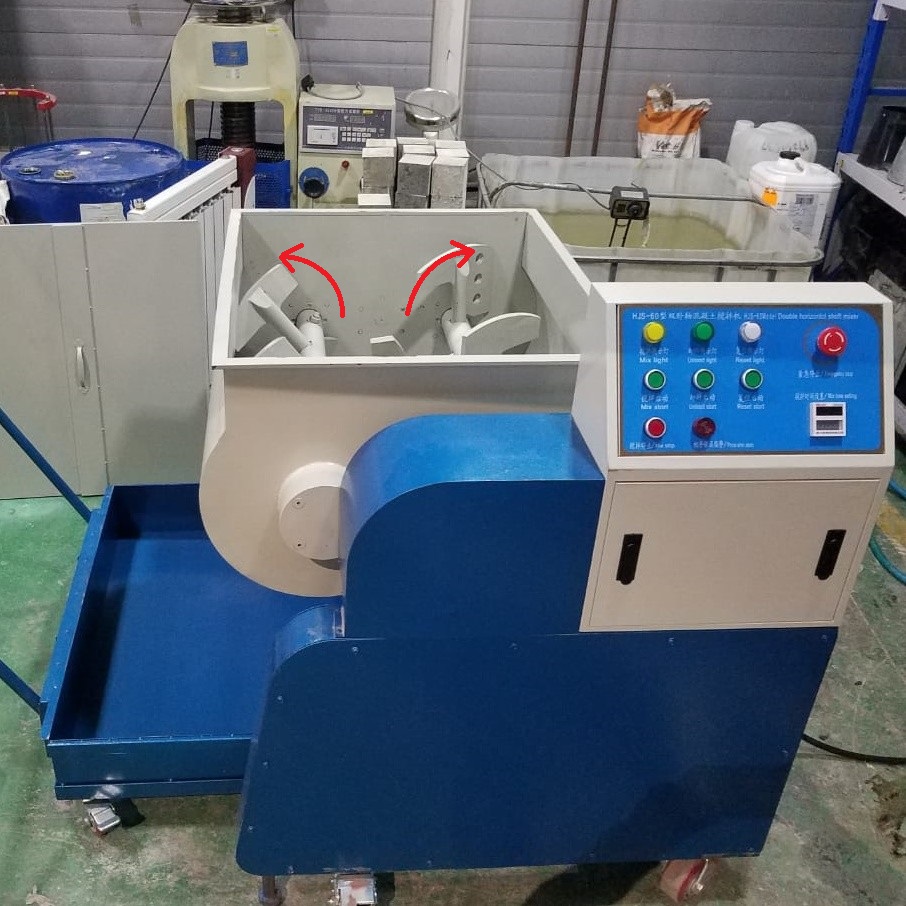
The regional shift toward high-value electronics and semiconductor manufacturing has surged the need for high-precision Laboratory sample Crusher units. These are essential for raw material verification and failure analysis in the rapidly growing industrial parks of the Klang Valley.

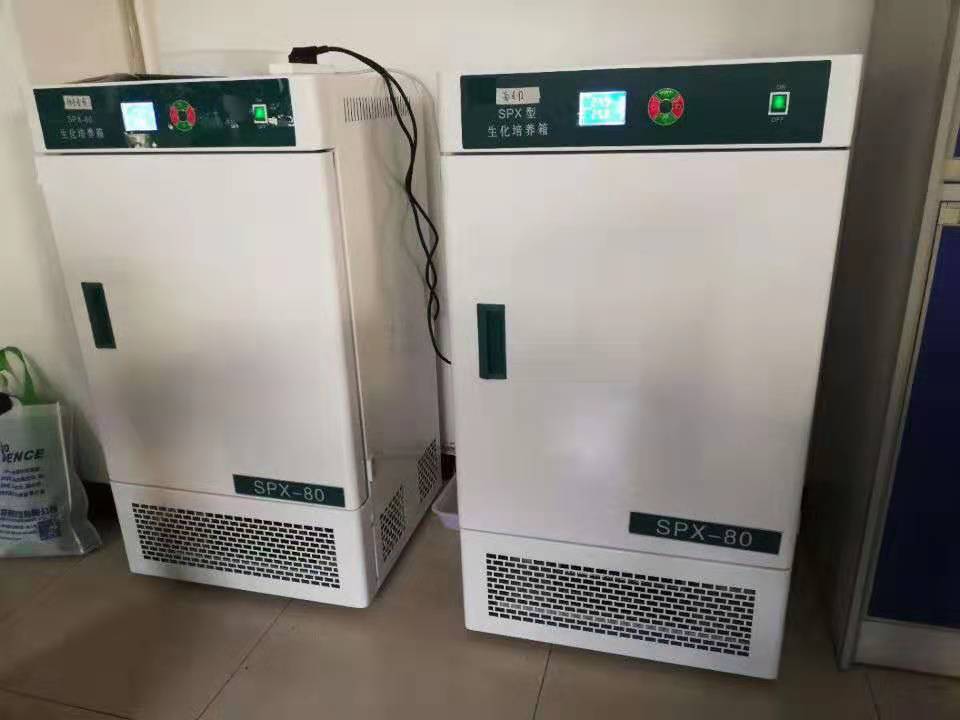
Furthermore, the pharmaceutical and palm oil biotechnology sectors require specialized Cooling incubator systems to stabilize sensitive bio-samples. The integration of energy-efficient cooling technology is now a primary driver for lab upgrades across Malaysian universities and private R&D centers.
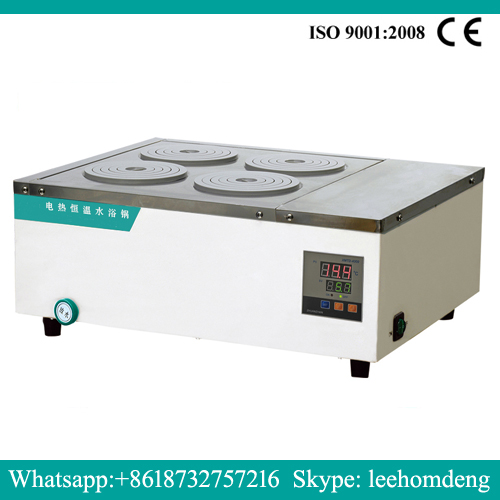
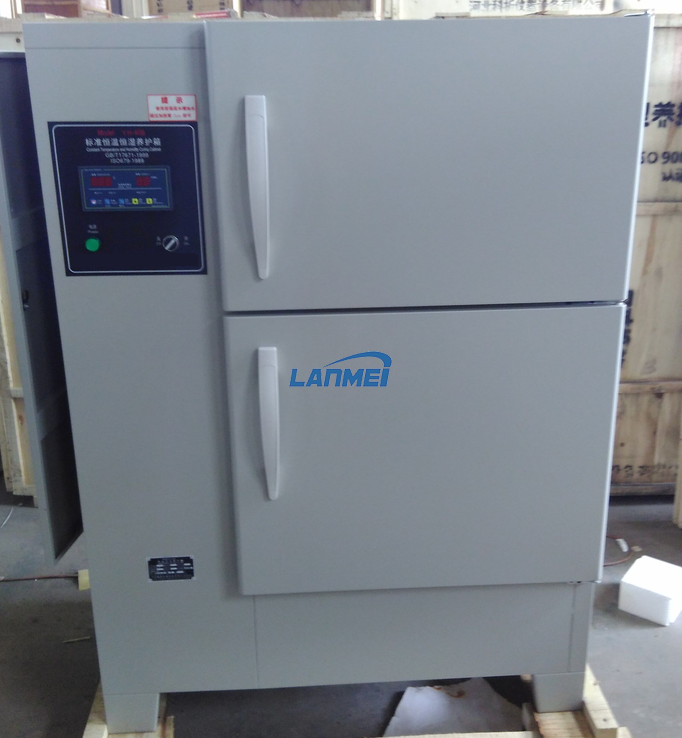
Evolution of Thermal and Mechanical Testing

From basic atmospheric control to intelligent automated systems

Market Development History

In the early 2000s, the Malaysian market relied heavily on basic mechanical ovens. Testing was primarily manual, and temperature fluctuations were common, leading to inconsistencies in material stress tests and biological cultures.

Between 2010 and 2020, there was a significant transition toward digitalization. The introduction of PID controllers and electronic sensors allowed for the rise of Lab BOO incubator technology, providing tighter tolerances and remote monitoring capabilities for industrial labs.

Currently, the industry has entered the "Smart Testing" era. Modern systems now integrate IoT connectivity and AI-driven predictive maintenance, ensuring that instruments operating in Malaysia's harsh coastal humidity remain calibrated and efficient.

Future Development Trends

Ultra-Low Energy Consumption

Driven by Malaysia's Green Technology Master Plan, future biochemical incubators will utilize vacuum insulation panels to reduce energy overhead.

Hyper-Automation in Sample Prep

We anticipate a move toward fully automated sample pipelines where crushing and incubation are synchronized via a single software interface to eliminate human error.

Precision-as-a-Service

Cloud-based calibration tracking will become standard, allowing Malaysian labs to verify their equipment compliance in real-time against international ISO standards.

Strategic Trends and Future Outlook

Navigating the next wave of instrumentation innovation

Eco-Friendly Refrigeration
Transitioning to natural refrigerants in Cooling incubators to meet strict environmental regulations.
IoT Integrated Monitoring
Real-time data logging and remote alerts for critical biochemical incubation cycles.
Modular Hardware Design
Easily upgradable sensors and heating elements to extend the life of laboratory assets.
High-Throughput Processing
Increasing sample capacity in crushers to support larger scale industrial audits.

Industry Outlook

Based on Google search trends in the Southeast Asian region, there is a growing intersection between "Green Manufacturing" and "Laboratory Automation." Malaysian firms are increasingly searching for sustainable lab equipment that reduces carbon footprints without sacrificing precision.

The next five years will likely see a surge in specialized hybrid instruments that combine crushing and pre-incubation in a single closed-loop system, reducing the risk of sample contamination during transport within the lab.

Localized Application Scenarios in Malaysia

Practical implementation across diverse Malaysian industries

01. Palm Oil Bio-Research Centers

Utilizing Laboratory sample Crusher systems to process palm kernel samples for oil quality analysis, followed by incubation in biochemical units to study enzymatic activity.

02. Semiconductor Quality Assurance (Penang)

Employing precision lab incubators to perform accelerated aging tests on polymer components used in electronic packaging.

03. Pharmaceutical Manufacturing (Klang Valley)

Applying Cooling incubator technology to maintain the stability of protein-based vaccines during the formulation testing phase.

04. Academic Research Universities (UM/UPM)

Integrating Lab BOO incubator units for microbiology studies, ensuring stable environments for tropical bacteria cultures.

05. Food Safety Inspection Labs

Using high-throughput biochemical incubators to monitor pathogen growth in exported food products, ensuring compliance with global health standards.

Brand Story

Global Development Journey of Cangzhou Lanmei Import and Export Trade Co., Ltd.

Foundational Excellence

Established with a mission to bridge the gap between high-end precision engineering and industrial accessibility in material testing.

Technical Innovation

Developing proprietary thermal stabilization algorithms to solve the "temperature drift" problem in tropical climates.

Global Expansion

Expanding our footprint into Asia, specifically optimizing our supply chain to serve the growing Malaysian industrial sector.

Quality Certification

Achieving international standards that ensure every unit delivered to Malaysia meets rigorous global safety and precision benchmarks.

Future Vision

Striving to be the leading provider of intelligent, sustainable laboratory solutions for the next generation of Asian manufacturers.

Common Questions for Malaysian Lab Operators

Technical support and guidance for local implementation

How does high humidity in Malaysia affect the performance of lab incubators?

High humidity can cause condensation and electronic corrosion. Our units feature enhanced sealing and moisture-resistant circuitry to maintain stability in tropical environments.

What is the maintenance cycle for a Laboratory sample Crusher in high-volume industrial use?

For industrial-scale operations in Malaysia, we recommend a quarterly inspection of the crushing chamber and lubrication of moving parts every 500 operating hours.

Can biochemical incubators be integrated with existing LIMS software in Malaysia?

Yes, our advanced models support standard communication protocols (RS485/Ethernet), allowing seamless data integration with most Laboratory Information Management Systems.

What distinguishes a Lab BOO incubator from standard models for pharmaceutical use?

The Lab BOO series offers superior temperature uniformity and specialized airflow patterns, critical for sensitive pharmaceutical cultures that require absolute stability.

Is a Cooling incubator necessary for botanical research in equatorial regions?

Absolutely. In Malaysia's heat, active cooling is the only way to simulate temperate environments or store heat-sensitive enzymes without degradation.

How to ensure the calibration of material testing instruments meets Malaysian standards?

We provide calibration certificates and support local technicians in performing validation tests that align with SIRIM and other regional regulatory bodies.

Get Expert Consultation Today

Our engineering team is ready to optimize your laboratory setup in Malaysia with precision-built instrumentation.

Contact Us Now
Leave Your Message

If you are interested in our products, you can choose to leave your information here, and we will be in touch with you shortly.