Advanced Material Testing Solutions for biochemical incubators in Germany

Precision-engineered laboratory instrumentation designed to meet the rigorous DIN and ISO standards of the German manufacturing sector.

The Landscape of Lab Instrumentation in Germany

Analyzing the current demand for high-precision thermal and crushing equipment in the European industrial heartland.

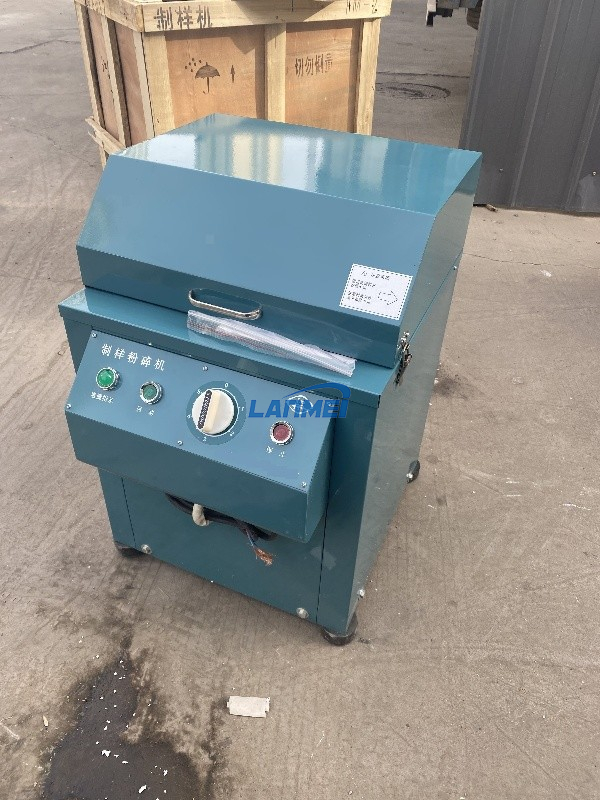
Germany's laboratory sector is characterized by an uncompromising demand for precision and durability. In regions like Bavaria and Baden-Württemberg, the integration of a Laboratory sample Crusher is essential for the initial stages of material analysis in the automotive and chemical industries, where sample homogeneity directly impacts the validity of the entire testing cycle.

The German climate, with its distinct seasonal fluctuations, necessitates the use of highly stable lab incubators. Research facilities here prioritize energy-efficient systems that comply with strict EU environmental regulations, focusing on minimizing thermal leakage and maximizing internal temperature uniformity to protect sensitive biochemical cultures.

Currently, the market is shifting toward highly specialized automation. The adoption of the Lab BOO incubator reflects a trend toward high-throughput screening and precise biological simulation, allowing German scientists to accelerate R&D cycles while maintaining the "Made in Germany" quality benchmark.
Technological Evolution of Material Testing in Germany

From manual mechanical processing to intelligent, digitally controlled thermal environments.

Market Development History

In the late 20th century, German laboratories relied heavily on manual crushing and basic convection heating. Sample preparation was labor-intensive, and temperature control was often imprecise, leading to higher variance in experimental results across different regions.

Between 2000 and 2015, the industry saw a digital revolution. The introduction of PID controllers and microprocessor-based systems transformed Cooling incubator technology, allowing for precise sub-zero temperature management and automated ramp-up/down cycles.

From 2016 to the present, the focus has shifted to "Industry 4.0." Equipment is no longer standalone; it is now integrated into Laboratory Information Management Systems (LIMS), enabling remote monitoring and predictive maintenance for all critical lab hardware.

Future Development Trends

AI-Driven Thermal Optimization

We predict a move toward self-adjusting thermal profiles that use machine learning to optimize energy consumption based on the specific biological load within the incubator.

Ultra-High Precision Sample Homogenization

Next-generation crushing technology will focus on cryogenic integration to prevent thermal degradation of sensitive organic samples during the crushing process.

Sustainability and Green Lab Initiatives

Search trends indicate a surge in demand for CFC-free refrigerants and biodegradable insulation materials in the manufacturing of laboratory equipment across Europe.

Industry Trends and Future Outlook

Strategic projections for the specialized instrument manufacturing sector in the DACH region.

IoT Integration
Connecting all lab devices to a central cloud for real-time data logging and compliance reporting.
Energy Efficiency
Implementation of vacuum-insulated panels to reduce electricity consumption in cooling systems.
Modular Design
Switching to interchangeable components to facilitate rapid upgrades and reduce downtime.
Precision Scaling
Developing miniaturized versions of incubators for high-precision micro-sample analysis.

Industry Outlook

The German market is moving toward a converged model where biological and chemical testing instruments are combined into unified platforms. We expect a 15% increase in the adoption of integrated thermal-crushing workstations over the next 3 years.

Driven by the "European Green Deal," manufacturers are redesigning the cooling architecture of lab equipment to eliminate hazardous substances, ensuring long-term viability in the stringent regulatory environment of the EU.

Local Application Scenarios in Germany

Real-world implementation of high-precision instruments in diverse German industrial sectors.

01. Automotive Polymer Research in Stuttgart

Utilizing the Laboratory sample Crusher to prepare reinforced plastic composites for stress and durability testing in next-gen electric vehicle components.

02. Pharmaceutical Quality Control in Frankfurt

Deploying biochemical incubators to maintain precise growth conditions for active pharmaceutical ingredients (APIs) during stability testing.

03. Agricultural Biotechnology in Lower Saxony

Using lab incubators to simulate varied climatic conditions for crop resilience research and seed development.

04. Food Safety Analysis in Hamburg

Implementing Cooling incubator systems to prevent spoilage during the biochemical analysis of imported perishable goods.

05. Advanced Genomics in Berlin

Leveraging the Lab BOO incubator for rapid cell culture expansion and genetic sequencing in urban biotech hubs.

Brand Story

Global Development Journey of Cangzhou Lanmei Import and Export Trade Co., Ltd.

Foundation of Precision

Started with a vision to bridge the gap between high-end instrument design and affordable manufacturing, focusing on core material testing tools.

European Market Entry

Expanded operations into Europe, adapting our thermal control systems to meet the rigorous CE and DIN standards required by German labs.

Technological Breakthrough

Developed a proprietary cooling algorithm that reduced energy consumption by 20% while increasing temperature stability for biochemical research.

Global Quality Certification

Achieved international ISO certifications, establishing ourselves as a reliable partner for material testing laboratories worldwide.

Future Vision

Commitment to sustainable manufacturing and AI-integrated instruments to empower the next generation of scientific discovery.

Complete Instrument Portfolio for the German Market

A comprehensive range of sample preparation and thermal incubation systems tailored for European laboratory standards.

Common Questions for Lab Instruments in Germany

Expert answers to the most frequent technical queries from our German clients.

Do your Lab BOO incubators comply with EU energy efficiency standards?

Yes, all our units are engineered to meet the latest EU energy labels, utilizing high-density insulation and low-power compressors to minimize the carbon footprint of your laboratory.

What is the maximum sample hardness for the Laboratory sample Crusher?

Our crushers are designed for a wide range of materials, from soft plastics to hard ceramics, with specialized alloy blades that maintain sharpness under high-stress German industrial applications.

How does the Cooling incubator handle voltage fluctuations in industrial zones?

Our systems include integrated voltage stabilizers and surge protection specifically tuned for European 230V/50Hz grids to ensure uninterrupted thermal stability.

Can biochemical incubators be calibrated to DIN standards?

Absolutely. Every unit comes with a calibration certificate and supports multi-point temperature verification as per DIN and ISO guidelines for pharmaceutical laboratories.

What is the typical maintenance cycle for lab incubators in high-humidity environments?

We recommend a quarterly inspection of the seals and sensors. Our remote diagnostic tools can alert you to potential maintenance needs before they impact your research.

Is there a warranty for instruments shipped to Germany?

Yes, we provide a comprehensive international warranty including technical support and spare parts delivery to ensure your laboratory operations in Germany remain seamless.

Ready to Upgrade Your Lab Precision?

Our technical experts are ready to provide customized instrument solutions for your facility in Germany.

Contact Us Now
Leave Your Message

If you are interested in our products, you can choose to leave your information here, and we will be in touch with you shortly.