Advanced Laboratory Material Testing Solutions for biochemical incubators in Ukraine

Empowering Ukrainian research and manufacturing with high-precision sample preparation and thermal control instrumentation designed for extreme reliability.

Advanced Laboratory Material Testing Solutions for biochemical incubators in Ukraine

Providing a comprehensive suite of material testing and sample processing instruments, from high-impact crushing to precision thermal incubation, tailored for the specific rigorous demands of Ukraine's scientific and industrial sectors.

Current State of Laboratory Instrumentation in Ukraine

Analyzing the intersection of industrial resilience and scientific modernization in the Eastern European market.

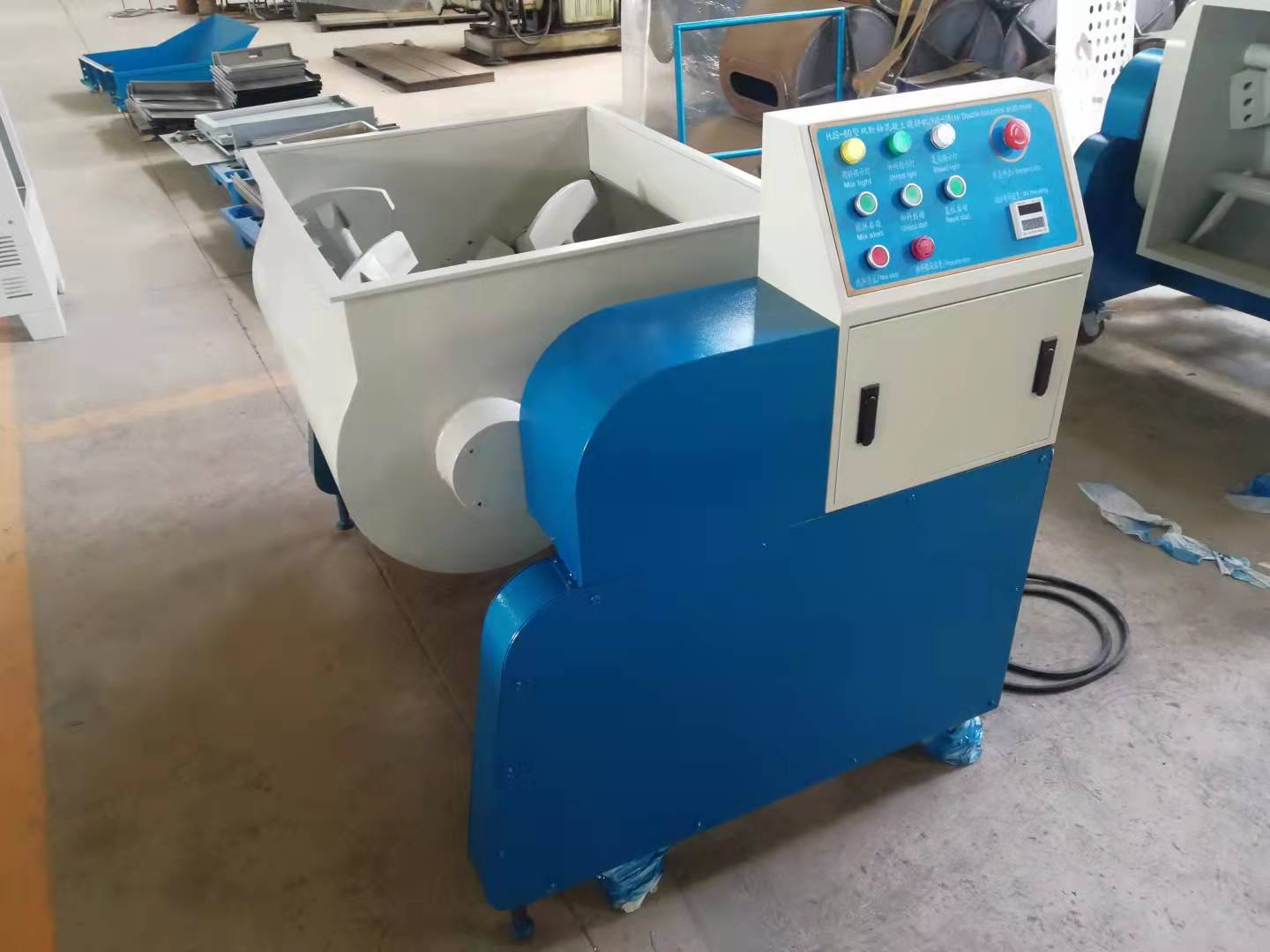
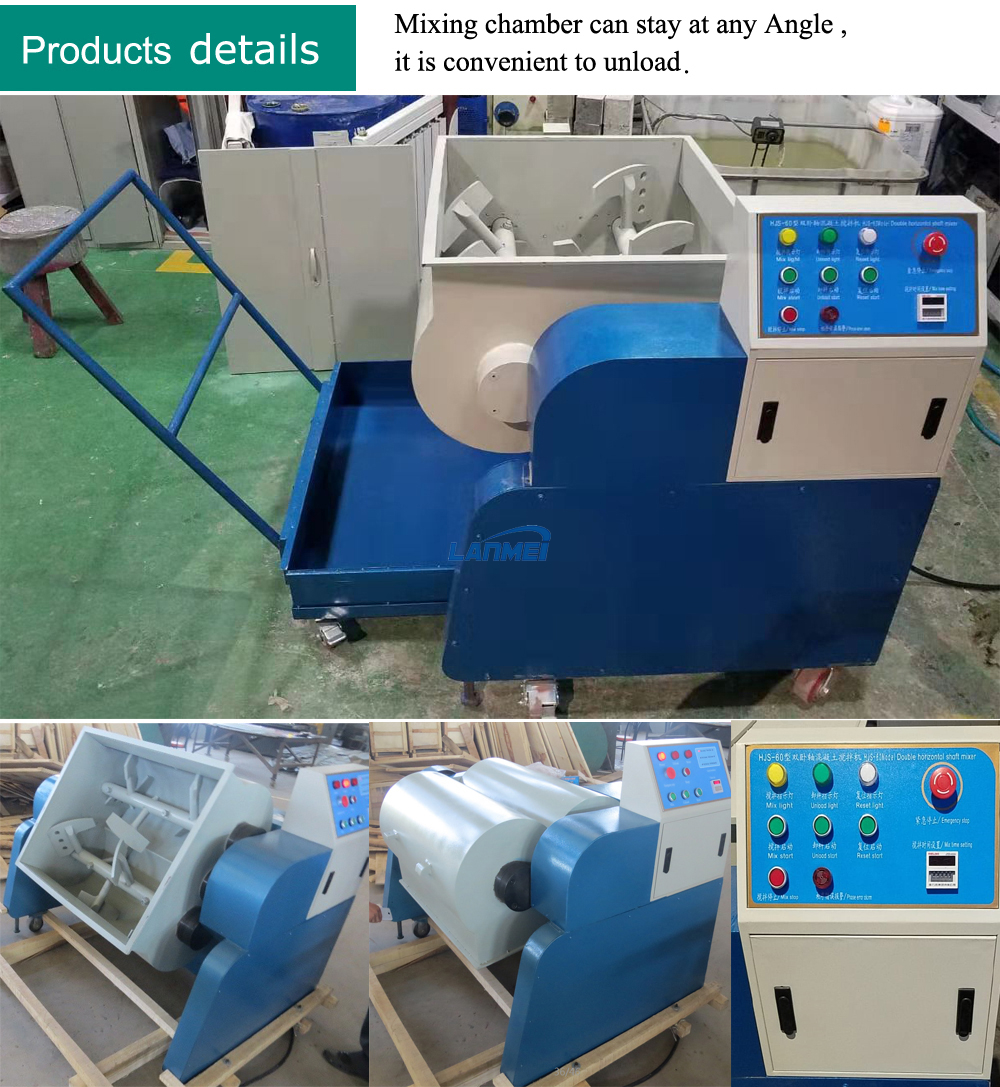
The laboratory landscape in Ukraine is currently characterized by a critical need for infrastructure modernization. With a strong legacy in metallurgy and chemical engineering, there is an increasing demand for a robust Laboratory sample Crusher to process raw material samples for quality control in reconstruction projects and industrial manufacturing.

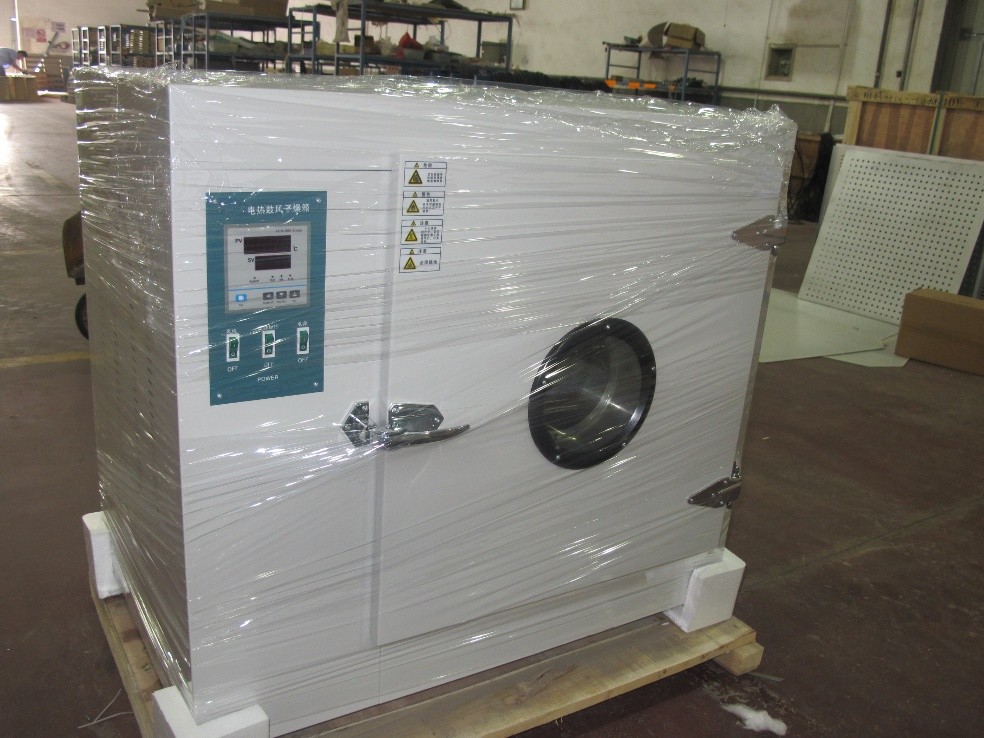
Climate variability in the region, featuring severe winters and humid summers, places significant stress on thermal equipment. This has led to a shift towards high-stability lab incubators that can maintain precise internal environments despite external temperature fluctuations, ensuring that biological and chemical samples remain viable.

Economically, the trend is moving toward energy-efficient and multifunctional devices. Ukrainian labs are increasingly replacing outdated Soviet-era equipment with modern biochemical incubators that offer digital precision and lower power consumption, aligning with European energy standards and research protocols.
Evolution and Development Trajectory of Testing Equipment

From mechanical basics to intelligent thermal management systems.

Market Development History

Between 1990 and 2010, the Ukrainian market relied heavily on manual, heavy-duty mechanical crushers and basic heating ovens. The focus was on sheer durability and high throughput rather than precision, which limited the ability to perform nuanced biochemical analysis.

From 2010 to 2020, a transition occurred toward electronic control. The introduction of the first generation of Cooling incubator technology allowed researchers to conduct low-temperature fermentation and enzyme studies, bridging the gap between traditional chemistry and modern biotechnology.

Since 2020, the integration of IoT and smart sensors has defined the current era. Modern systems, including the specialized Lab BOO incubator, now feature remote monitoring and automated calibration, reducing human error in critical material testing workflows.

Future Development Trends

AI-Driven Thermal Optimization

Future iterations of lab incubators will utilize machine learning to predict sample behavior and automatically adjust temperature gradients in real-time to optimize growth rates.

Sustainable Material Processing

A shift toward "green crushing" will see the Laboratory sample Crusher evolving with noise-reduction technology and energy-recovery motors to meet strict urban environmental codes.

Modular Lab Integration

We expect a move toward modular "plug-and-play" systems where biochemical units can be expanded based on the specific needs of the project without requiring complete system replacements.

Industry Trends and Future Outlook

Predicting the next 3-5 years of material testing and incubation technology.

Digital Twin Integration
Creating virtual replicas of material testers to simulate stress tests before physical execution.
Precision Thermal Control
Advancing PID algorithms to reduce temperature fluctuation to ±0.1°C in biochemical units.
Automation Synergy
Linking sample crushers directly to feed-systems for autonomous lab preparation workflows.
Compliance Evolution
Adapting all equipment to meet the latest EU-Ukraine alignment certifications and safety norms.

Industry Outlook

Google search trends indicate a sharp rise in queries for "automated sample preparation" and "energy-efficient incubation" within the Europe region. This suggests that the Ukrainian market is moving away from standalone machines toward integrated laboratory ecosystems.

Over the next five years, we anticipate that the convergence of materials science and biotechnology will drive the demand for hybrid instruments that can both mechanically process samples and thermally incubate them in a single controlled environment.

Localized Application Scenarios in Ukraine

Real-world implementations of testing instrumentation across key Ukrainian industries.

01. Agricultural Soil Analysis in Poltava

Utilizing the Laboratory sample Crusher to process heavy chernozem soil samples for mineral analysis, ensuring high uniformity for chemical testing.

02. Pharmaceutical R&D in Kyiv

Implementing biochemical incubators for the stable cultivation of active pharmaceutical ingredients (APIs) under strict temperature controls.

03. Food Safety Testing in Lviv

Using a Cooling incubator to preserve perishables and monitor microbial growth rates during food quality audits.

04. Metallurgy Quality Control in Dnipro

Deploying lab incubators for the thermal aging tests of specialized steel alloys used in heavy machinery.

05. Environmental Monitoring in Odesa

Applying the Lab BOO incubator for the study of marine biological samples and their reaction to temperature shifts.

Brand Story

Global Development History of Cangzhou Lanmei Import and Export Trade Co., Ltd.

Founding Vision

Established with the goal of bridging the gap between high-end engineering and accessible laboratory instrumentation for emerging markets.

Technical Breakthroughs

Developed proprietary thermal stability algorithms that redefined the accuracy of biochemical incubation systems globally.

European Expansion

Successfully entered the European market by aligning all product lines with CE standards and localized voltage requirements.

Solving Industrial Pain Points

Focused on eliminating sample contamination and thermal drift in material testing, providing reliability for critical infrastructure projects.

Future Commitment

Dedicated to sustainable innovation, ensuring that every instrument reduces environmental impact while increasing scientific output.

Frequently Asked Questions in Ukraine

Expert answers to common technical and logistical queries regarding lab equipment.

How to maintain a Lab BOO incubator during power instability?

We recommend integrating an industrial-grade UPS and using our built-in auto-restart function to ensure the thermal cycle is not interrupted during voltage drops.

What is the optimal capacity for a Laboratory sample Crusher in soil testing?

For typical Ukrainian soil labs, a medium-capacity crusher (2-5kg per batch) provides the best balance between throughput and sample homogeneity.

Can biochemical incubators be calibrated for specific EU standards?

Yes, all our biochemical units are designed to meet ISO and European pharmacopeia standards, allowing for seamless integration into EU-certified labs.

How does a Cooling incubator differ from a standard refrigerator?

Unlike refrigerators, a cooling incubator provides precise, programmable temperature control with high uniformity, essential for biological incubation rather than just storage.

What are the key maintenance steps for lab incubators in humid climates?

Regularly cleaning the interior surfaces and checking the door seal integrity are critical to prevent condensation and maintain internal temperature stability.

Which material is best for the chamber of biochemical incubators?

High-grade 304 or 316 stainless steel is recommended to prevent corrosion from chemicals and to facilitate easy sterilization.

Contact Our Experts Today

Get professional guidance on selecting the right material testing equipment for your facility in Ukraine.

Contact Us Now
Leave Your Message

If you are interested in our products, you can choose to leave your information here, and we will be in touch with you shortly.