Advanced Material Testing Solutions with biochemical incubators in Bolivia

Precision engineering for Bolivian laboratories, integrating high-performance sample preparation and thermal control systems to meet international ASTM and ISO standards.

Advanced Material Testing Solutions with biochemical incubators in Bolivia

Empowering Bolivia's industrial and research sectors with state-of-the-art laboratory instruments designed for extreme durability and precision in material analysis and biological cultivation.

The Landscape of Laboratory Instrumentation in Bolivia

Analyzing the intersection of geography and technical requirements in the Andean region.

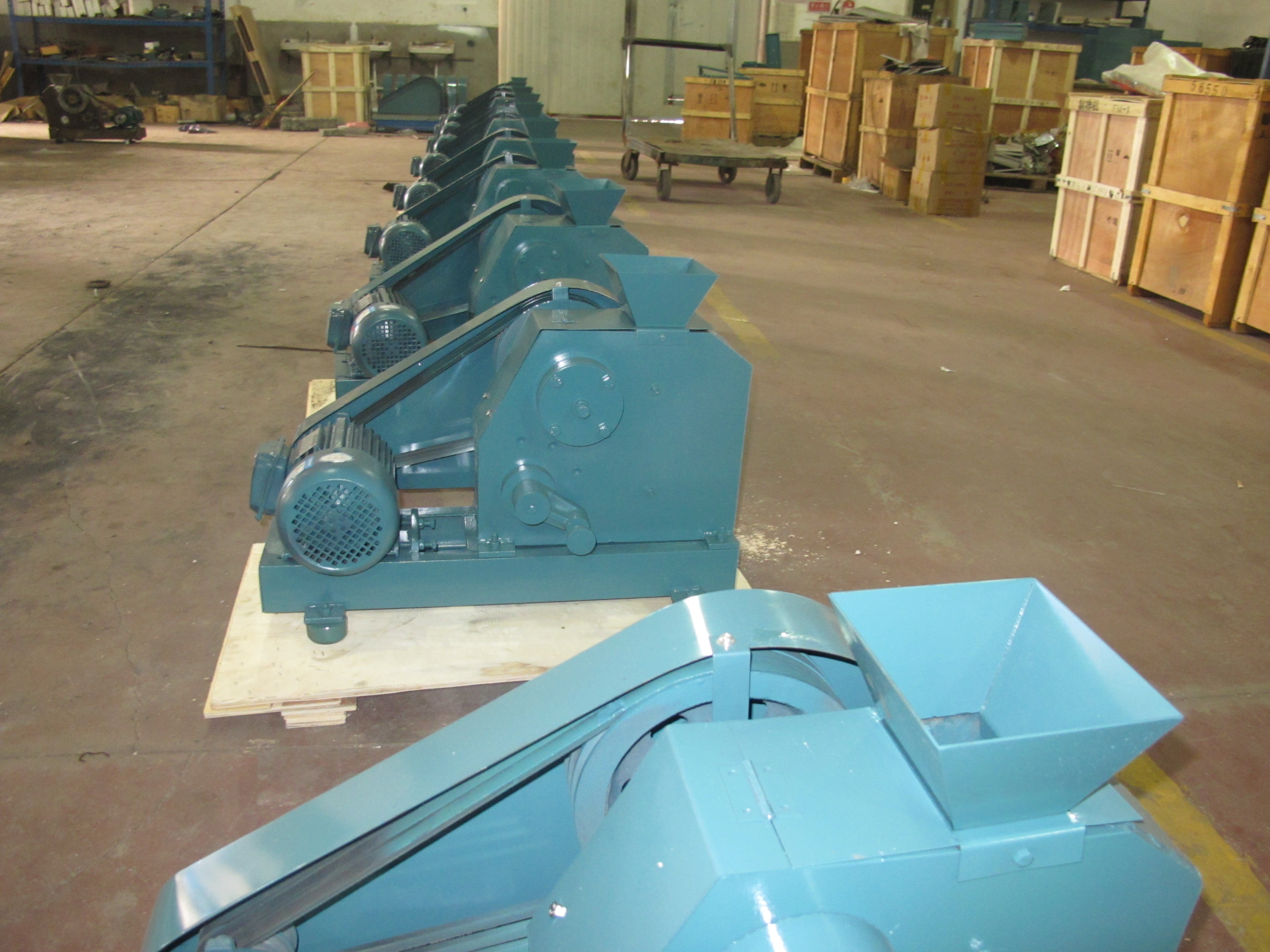
In Bolivia, the manufacturing and testing sector faces unique challenges due to varying altitudes, from the Altiplano to the tropical lowlands. This geographical diversity demands that a Laboratory sample Crusher must be capable of handling diverse mineral samples with consistency despite changes in atmospheric pressure.

The current market is witnessing a shift toward stricter quality control in the mining and pharmaceutical sectors. The adoption of precise lab incubators has become critical for local biotech firms aiming to synchronize their research with global standards, overcoming the logistical hurdles of the South American interior.

Furthermore, environmental fluctuations in cities like La Paz and Santa Cruz necessitate advanced thermal stability. This has led to an increased demand for high-stability Cooling incubator units that can maintain precise internal temperatures regardless of external Andean climatic volatility.
Evolution and Technical Trajectory of Bolivian Lab Tech

From manual processing to automated precision systems.

Market Development History

Prior to 2010, the Bolivian market relied heavily on rudimentary mechanical crushers and basic ovens. Sample preparation was largely manual, leading to significant variances in material testing results within the mining sector.

Between 2010 and 2020, a transition toward digital control occurred. The introduction of Lab BOO incubator technology allowed for better PID temperature control, reducing sample loss and improving the reproducibility of biochemical experiments.

Since 2021, the focus has shifted toward "Smart Labs." Integration of IoT-enabled monitoring and energy-efficient compressors has become the benchmark for modern instrumentation installed in Bolivian research centers.

Future Development Trends

Digital Twin Integration

Future systems will likely integrate virtual simulations to predict how samples behave under specific thermal stresses before actual testing begins.

Energy-Efficient Cooling

Development of green refrigerants and low-energy consumption cycles to align with global sustainability goals and reduce operational costs in remote Bolivian sites.

Modular Sample Prep

A move toward modular units that allow laboratories to scale their crushing and incubation capacity without replacing entire system architectures.

Industry Outlook and Future Perspectives

Strategic foresight for material testing and biochemical instrumentation.

AI-Driven Thermal Control
Integration of machine learning to optimize temperature ramps in biochemical incubators for higher yield.
High-Pressure Material Analysis
Enhanced durability in sample crushers to handle the harder ore types found in the Bolivian Altiplano.
Remote Laboratory Sync
Cloud-based monitoring for incubators to allow researchers in La Paz to manage labs in distant provinces.
Hyper-Precision Stability
Reducing temperature fluctuation to +/- 0.1°C for sensitive biochemical assays.

Industry Outlook

Based on Google search trends for "industrial laboratory automation" in South America, Bolivia is expected to see a 15% increase in the adoption of integrated testing lines over the next 3 years. The convergence of mining growth and pharmaceutical expansion is driving this trend.

The future focus will be on "Reliability under Stress," where instruments are tested against the power grid instabilities common in some Bolivian regions, leading to the widespread adoption of advanced UPS-integrated instrumentation.

Localized Application Scenarios in Bolivia

Practical deployment of testing instruments across various Bolivian industries.

01. Lithium Ore Analysis in Potosí

Utilizing a Laboratory sample Crusher to prepare high-purity lithium carbonate samples, ensuring particle size uniformity for precise chemical analysis.

02. Tropical Vaccine Research in Santa Cruz

Deployment of biochemical incubators to maintain strict viral cultures, offsetting the high external humidity and temperature of the region.

03. High-Altitude Enzyme Studies in La Paz

Using lab incubators calibrated for low-pressure environments to study biological reactions at 3,600+ meters above sea level.

04. Food Quality Testing in Cochabamba

Application of Cooling incubator units for the preservation and stability testing of organic export products.

05. Specialized Bio-Polymer Development

Implementing Lab BOO incubator systems for the cultivation of specialized microorganisms used in sustainable packaging materials.

Brand Story

Global Development Journey of Cangzhou Lanmei Import and Export Trade Co., Ltd.

Foundational Excellence

Established with a vision to bridge the gap between complex industrial engineering and user-friendly laboratory operation.

Technical Breakthroughs

Developing proprietary thermal control algorithms that solved the instability issues in early-generation biochemical units.

Expanding to South America

Customizing equipment for the Bolivian market, focusing on altitude adaptation and rugged durability for mining sites.

Quality Certification

Achieving global ISO and CE certifications to ensure every instrument delivered to Bolivia meets the highest safety standards.

Future Vision

Committed to driving the "Smart Lab" revolution in Bolivia through AI-integrated material testing and incubation solutions.

Comprehensive Laboratory Portfolio for Bolivia

A complete suite of instruments designed for the rigorous demands of Bolivian material and biological testing.

Common Technical Inquiries in Bolivia

Expert answers to the most frequent questions from our Bolivian clients.

How does altitude affect the performance of a Laboratory sample Crusher in Potosí?

Altitude primarily affects motor cooling. Our crushers use reinforced cooling systems to ensure consistent torque and crushing efficiency even in the thin air of high-altitude regions like Potosí.

Can biochemical incubators handle the voltage fluctuations common in rural Bolivia?

Yes, our biochemical units are equipped with wide-voltage input modules and optional voltage stabilizers to prevent temperature spikes during power instability.

What is the temperature recovery time for a Cooling incubator after opening the door?

Thanks to high-density insulation and fast-response compressors, our cooling units recover their target temperature within minutes, minimizing sample stress.

Are the lab incubators compatible with local Bolivian electrical standards?

Absolutely. All units are customized to match Bolivia's 220V/50Hz electrical standard and include the appropriate regional plug types.

How do I maintain a Lab BOO incubator in high-humidity areas like Santa Cruz?

We recommend using our anti-corrosion exterior coating and regular cleaning of the condensation trays to prevent mold and maintain internal sterility.

Which Laboratory sample Crusher is best for hard mineral ores found in the Andes?

Our heavy-duty series featuring tungsten carbide liners is specifically designed for the high hardness of Andean mineral samples, ensuring long-term wear resistance.

Ready to Upgrade Your Laboratory?

Contact our expert engineering team today for customized material testing and incubation solutions delivered across Bolivia.

Contact Us Now
Leave Your Message

If you are interested in our products, you can choose to leave your information here, and we will be in touch with you shortly.