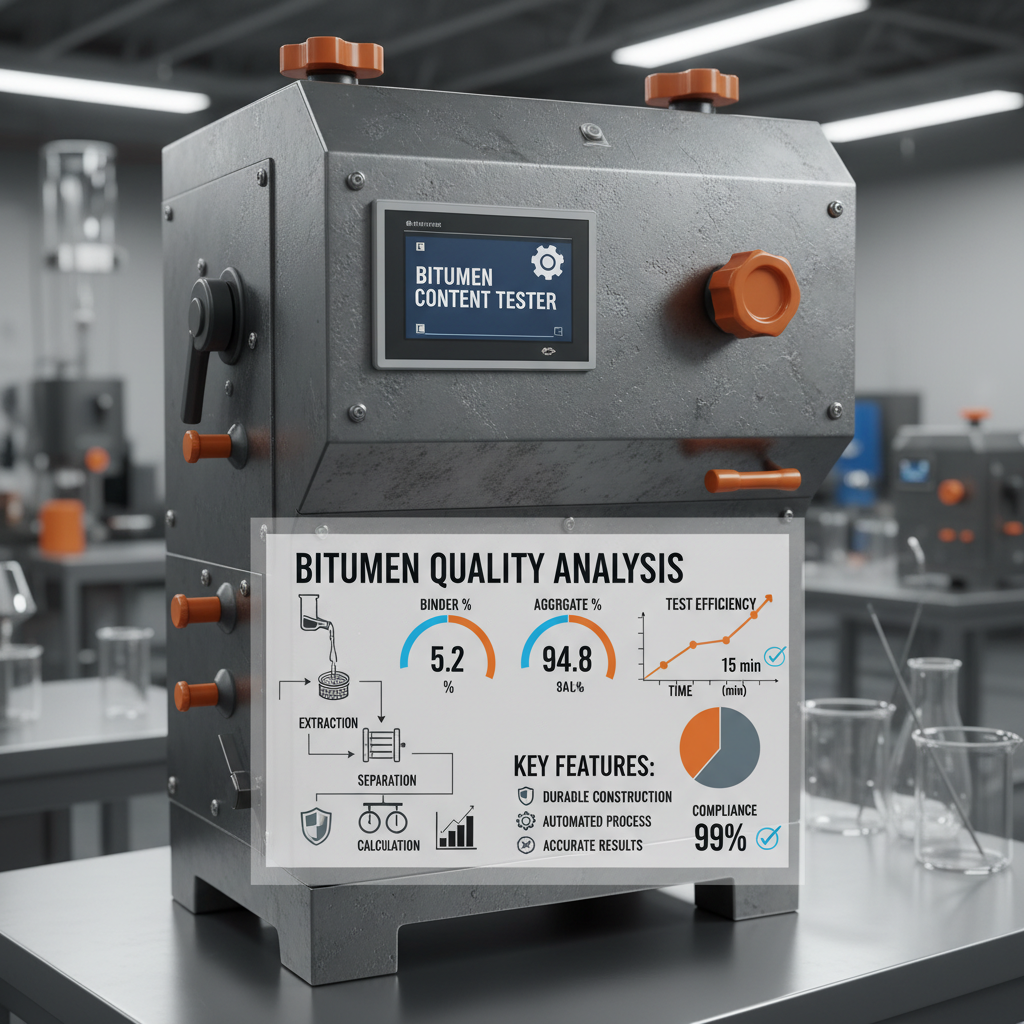
Ensuring the structural integrity of road networks depends heavily on the precise measurement of binder proportions within asphalt mixtures. A Bitumen Content Tester serves as the critical quality control gateway, allowing engineers to verify that the actual asphalt content aligns with the design specifications to prevent premature road failure.
Across the globe, the demand for durable infrastructure has escalated, making the role of precise testing equipment indispensable. When the binder content is too low, pavements become susceptible to cracking and ravelling; conversely, excessive bitumen leads to rutting and instability under heavy traffic loads, highlighting why a reliable Bitumen Content Tester is a non-negotiable asset for modern civil engineering.
Understanding the mechanics of bitumen extraction and analysis not only optimizes material costs but also significantly extends the lifespan of highway assets. By utilizing a professional Bitumen Content Tester, laboratories can ensure compliance with international standards such as ASTM and AASHTO, fostering safer and more sustainable transportation networks worldwide.
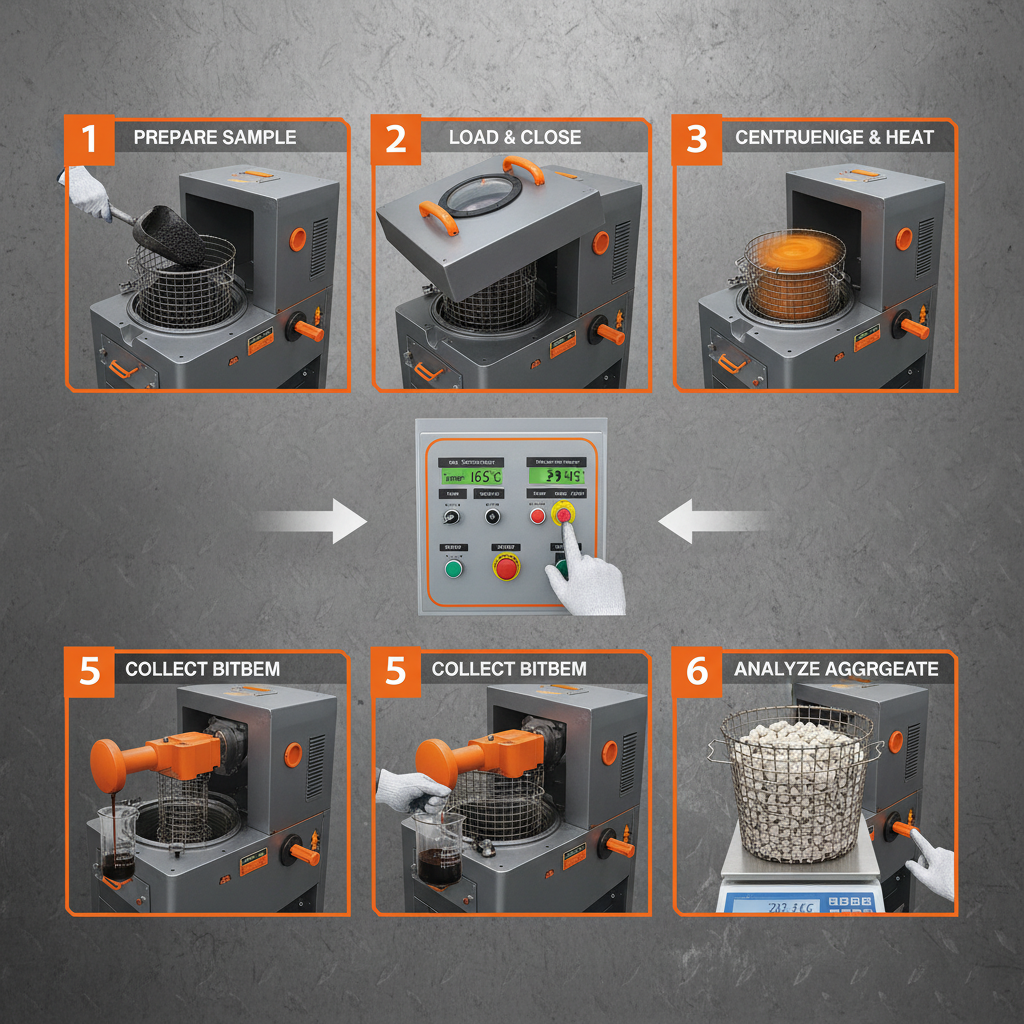
In the current era of massive infrastructure expansion, particularly in developing economies across Asia and Africa, the precision of asphalt mixture design is paramount. The global construction industry adheres to strict ISO and ASTM guidelines to ensure that road surfaces can withstand extreme climatic variations and increasing axle loads. A Bitumen Content Tester is the primary tool used to validate these standards, ensuring that the binder-to-aggregate ratio is optimal for the specific environmental conditions of a region.
The challenge often lies in the volatility of raw materials and the potential for human error during the mixing process at asphalt plants. Without rigorous testing, deviations in bitumen content can lead to catastrophic structural failures, costing governments billions in premature maintenance. By integrating an advanced Bitumen Content Tester into the quality assurance workflow, stakeholders can mitigate these risks and ensure the longevity of critical transport corridors.
At its core, a Bitumen Content Tester is a specialized laboratory instrument designed to determine the percentage of bitumen (asphalt binder) present in a given sample of asphalt mixture. This is typically achieved through a process of centrifugal extraction or solvent dissolution, where the binder is separated from the mineral aggregates, allowing the weight of the bitumen to be measured independently.
Beyond simple measurement, this equipment serves a humanitarian and economic purpose by enabling the construction of safer roads. In regions prone to natural disasters, the ability to quickly verify the quality of road materials means that emergency access routes can be built more reliably, ensuring that aid reaches remote areas without the risk of pavement collapse.
Modern iterations of the Bitumen Content Tester have evolved from manual, labor-intensive setups to automated systems. These advancements reduce the exposure of technicians to hazardous solvents and increase the repeatability of results, which is essential for legal compliance and government auditing in public works projects.
The accuracy of a Bitumen Content Tester relies heavily on its centrifugal system. The high-speed rotor must be perfectly balanced to ensure that the separation of the binder from the aggregate is uniform across the entire sample, preventing sample loss and ensuring a high degree of precision in the final calculation.
Thermal stability is another critical factor. Many Bitumen Content Tester models incorporate precise heating elements to maintain the sample at a constant temperature, which lowers the viscosity of the bitumen and facilitates a more efficient extraction process using solvents like trichloroethylene or toluene.
Finally, the integration of digital weighing systems and automated timers removes the ambiguity associated with manual reading. A high-end Bitumen Content Tester often features a microprocessor-controlled interface that calculates the final bitumen percentage automatically, reducing the risk of mathematical errors during reporting.
When evaluating the efficiency of different testing methodologies, laboratories often compare the speed of extraction against the accuracy of the recovered binder. The choice of a Bitumen Content Tester method can significantly impact the turnaround time for project approvals on a construction site.
For instance, centrifugal methods are prized for their speed, while chemical dissolution methods are often seen as the gold standard for absolute accuracy in research environments. The following data illustrates the relative performance ratings of various Bitumen Content Tester configurations based on industry benchmarks.
In large-scale highway projects, such as the construction of transcontinental corridors, the Bitumen Content Tester is used daily to ensure that every batch of asphalt arriving at the site meets the design mix. In the Middle East, where extreme heat can cause asphalt to soften, precise binder content is critical to prevent "bleeding," where excess bitumen rises to the surface and creates a slippery, dangerous road.
Conversely, in Nordic regions, the Bitumen Content Tester helps engineers optimize the mix for freeze-thaw resistance. By ensuring the binder content is sufficient to fill all voids without over-saturating the aggregate, they can prevent water penetration and subsequent frost heave, which typically destroys roads during winter months.
Investing in a high-quality Bitumen Content Tester provides tangible economic benefits by reducing the frequency of road repairs. When a road is built with the correct bitumen proportion, its lifespan can be extended by several years, leading to massive savings in taxpayer money and reducing the carbon footprint associated with repeated reconstruction.
Beyond the financial logic, there is a profound element of safety and trust. A road that does not rut or crack prematurely is a road that reduces vehicle accidents. The reliability offered by a precise Bitumen Content Tester translates directly into the dignity of safe travel and the stability of logistics chains.
Furthermore, the use of such equipment fosters a culture of accountability in the construction industry. With documented test results from a certified Bitumen Content Tester, contractors are held to a higher standard of quality, ensuring that "corner-cutting" is eliminated in favor of engineering excellence.
The future of bitumen analysis is moving toward non-destructive testing (NDT) and real-time monitoring. While the traditional Bitumen Content Tester remains the benchmark for accuracy, new infrared and microwave sensor technologies are being developed to estimate binder content without the need for chemical solvents, significantly increasing the speed of on-site testing.
Digital transformation is also playing a role, with "Smart Lab" integrations where the Bitumen Content Tester automatically uploads results to a cloud-based project management system. This allows engineers to monitor the quality of an entire highway project in real-time from a remote office, identifying problematic batches immediately.
Sustainability is the final frontier, with a push toward "Green" Bitumen Content Tester models that utilize biodegradable solvents or eliminate them entirely. This shift not only protects the environment but also creates a safer working environment for laboratory technicians.
| Testing Method | Precision Level | Operational Speed | Environmental Impact |
|---|---|---|---|
| Centrifugal Extraction | High | Moderate | Medium (Solvents) |
| Ignition Loss Method | Medium | Slow | Low (Heat) |
| Chemical Dissolution | Very High | Very Slow | High (Chemicals) |
| Infrared Spectroscopy | Medium | Instant | Zero |
| Microwave Analysis | High | Fast | Low |
| Hybrid Automated System | High | Fast | Medium |
A Bitumen Content Tester ensures the asphalt mix has the exact amount of binder required. If the content is too low, the road will crack; if too high, it will rut. By maintaining the "sweet spot" of binder content, the tester directly prevents these structural failures, thereby extending the road's service life and reducing maintenance costs.
Common solvents include trichloroethylene, toluene, and m-xylene. The choice depends on local environmental regulations and the specific type of binder being tested. Modern high-end testers are designed to handle these solvents safely, utilizing closed-loop systems to minimize evaporation and technician exposure.
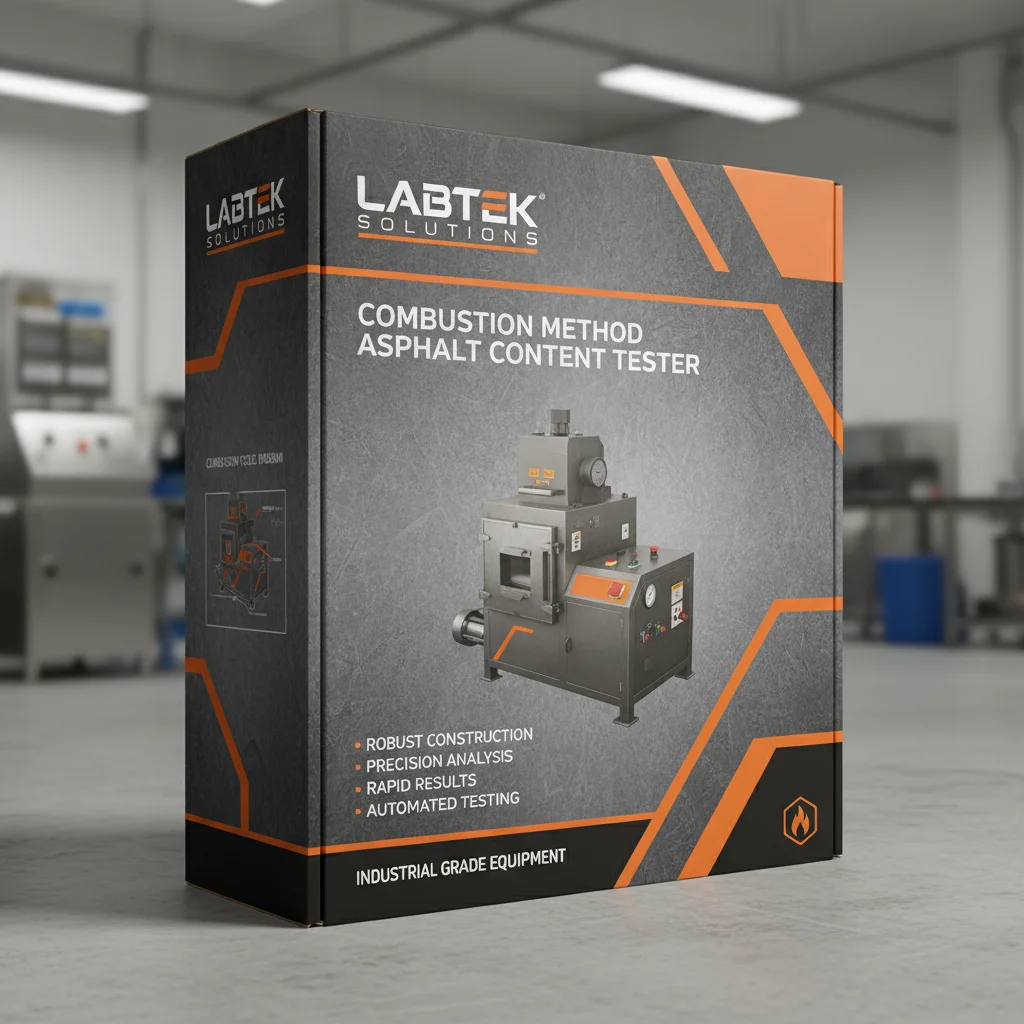
It depends on the goal. The ignition method is faster and avoids chemicals, making it more eco-friendly. However, the centrifugal Bitumen Content Tester is generally more accurate for certain types of modified binders and allows for the recovery of the binder for further analysis, which is not possible with the ignition method.
To maintain compliance with ISO and ASTM standards, calibration should be performed at least once a year or after any major repair. Frequent users should conduct "check-tests" using a known standard sample weekly to ensure that the centrifuge speed and heating elements are performing consistently.
Yes, it is actually essential for RAP. When using recycled materials, the amount of aged binder varies wildly. A Bitumen Content Tester allows engineers to determine exactly how much new binder needs to be added to the recycled mix to reach the required performance specifications.
The primary concerns are solvent toxicity and high-speed rotation. Operators must use the equipment in a well-ventilated area or under a fume hood. Additionally, ensuring that the centrifuge rotor is perfectly balanced is critical to prevent mechanical failure and ensure operator safety.
The Bitumen Content Tester is far more than a simple lab instrument; it is the cornerstone of road quality assurance. By bridging the gap between theoretical mix design and real-world application, it ensures that our global transport infrastructure is durable, safe, and economically viable. From the precision of its centrifugal separation to its role in reducing long-term maintenance costs, the impact of accurate bitumen measurement is felt in every kilometer of high-quality pavement.
Looking ahead, the integration of automated data logging and eco-friendly extraction methods will further enhance the efficiency of the Bitumen Content Tester. For construction firms and government agencies, investing in high-precision testing equipment is not just a regulatory requirement—it is a strategic investment in the resilience of our cities. We invite you to explore our full range of professional laboratory solutions. Visit our website: www.czlabinstrument.com
If you are interested in our products, you can choose to leave your information here, and we will be in touch with you shortly.