
Comprehensive Guide to Biosafety Cabinet Selection and Safe Laboratory Practices
Biosafety Cabinet: Ensuring Laboratory Safety and Precision
Maintaining a safe and controlled environment is paramount in any laboratory setting. The Biosafety Cabinet (BSC) is a crucial piece of equipment designed to protect laboratory personnel, the environment, and the experiment itself from hazardous materials. This article will delve into the different types of biosafety cabinets, their applications, key features, and factors to consider when choosing the right cabinet for your specific needs. Understanding these critical elements ensures optimal safety and research integrity. CZ Lab Instrument provides a range of high-quality BSCs tailored to various laboratory requirements.
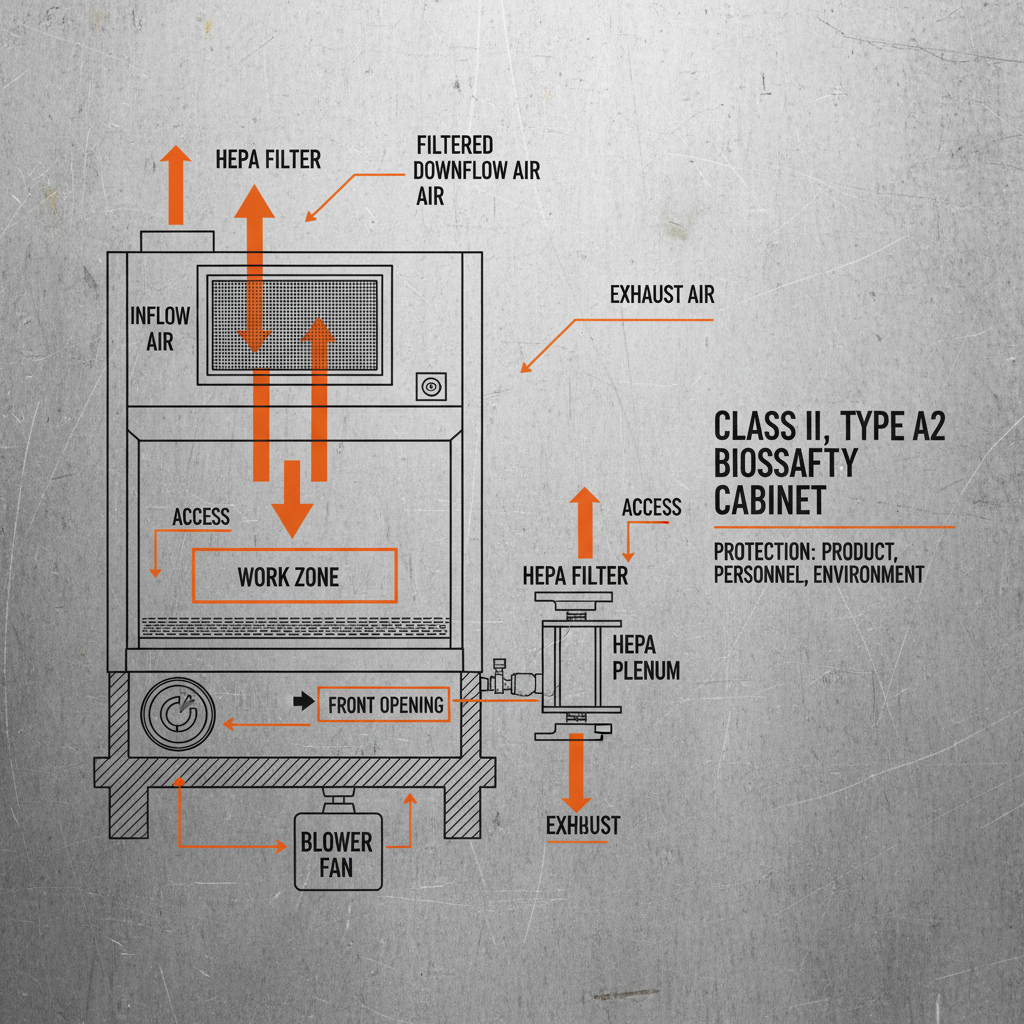
Understanding the Different Classes of Biosafety Cabinets
Biosafety cabinets are categorized into different classes based on their level of protection and airflow patterns. These classes – Class I, Class II, and Class III – each offer varying degrees of containment. Class I cabinets provide personnel and environmental protection but offer no sample protection. Class II cabinets offer protection to all three – personnel, environment, and sample – and are the most commonly used type. Class III cabinets are gas-tight and provide the highest level of containment, primarily used for working with highly hazardous materials. Choosing the correct class is vital for managing risk and maintaining a safe working environment. CZ Lab Instrument offers expert guidance in selecting the appropriate BSC for your specific applications.
Key Takeaway: Selecting the right BSC class is paramount to protect personnel, the environment and the experiment itself.
Key Features of a High-Quality Biosafety Cabinet
A reliable biosafety cabinet incorporates several crucial features. These include a HEPA (High-Efficiency Particulate Air) filter, which effectively removes airborne particles, ensuring a sterile working environment. Airflow monitoring systems continuously verify proper airflow, providing an alert if levels fall outside acceptable parameters. Ergonomic design, including adjustable height and comfortable arm rests, enhances user comfort and reduces strain during long procedures. Easy-to-clean surfaces are essential for maintaining sterility and minimizing contamination risk. Furthermore, features like UV lights for sterilization and integrated sockets for equipment enhance the cabinet's functionality.
Essential Features:
• HEPA Filtration
• Airflow Monitoring
• Ergonomic Design
• Easy-to-Clean Surfaces
Biosafety Cabinet Comparison: Class I vs. Class II
Choosing between Class I and Class II biosafety cabinets requires careful consideration of your laboratory's needs. Class I cabinets are suitable for work with low to moderate risk agents where sample protection isn't critical. Class II cabinets, offering personnel, product, and environmental protection, are preferred for a broader range of applications, including cell culture, microbiology, and handling infectious materials. The following table outlines a comparison of key features:
Applications of Biosafety Cabinets in Research & Healthcare
Biosafety cabinets are indispensable in various laboratory settings. In microbiology, they provide a safe environment for handling infectious agents. In cell culture, they protect cell lines from contamination. Pharmaceutical research utilizes BSCs for drug development and quality control. Clinical laboratories rely on them for analyzing patient samples. Veterinary medicine employs BSCs for animal disease diagnosis and research. The versatility of these cabinets makes them essential for a wide spectrum of scientific endeavors. CZ Lab Instrument provides solutions for diverse applications.
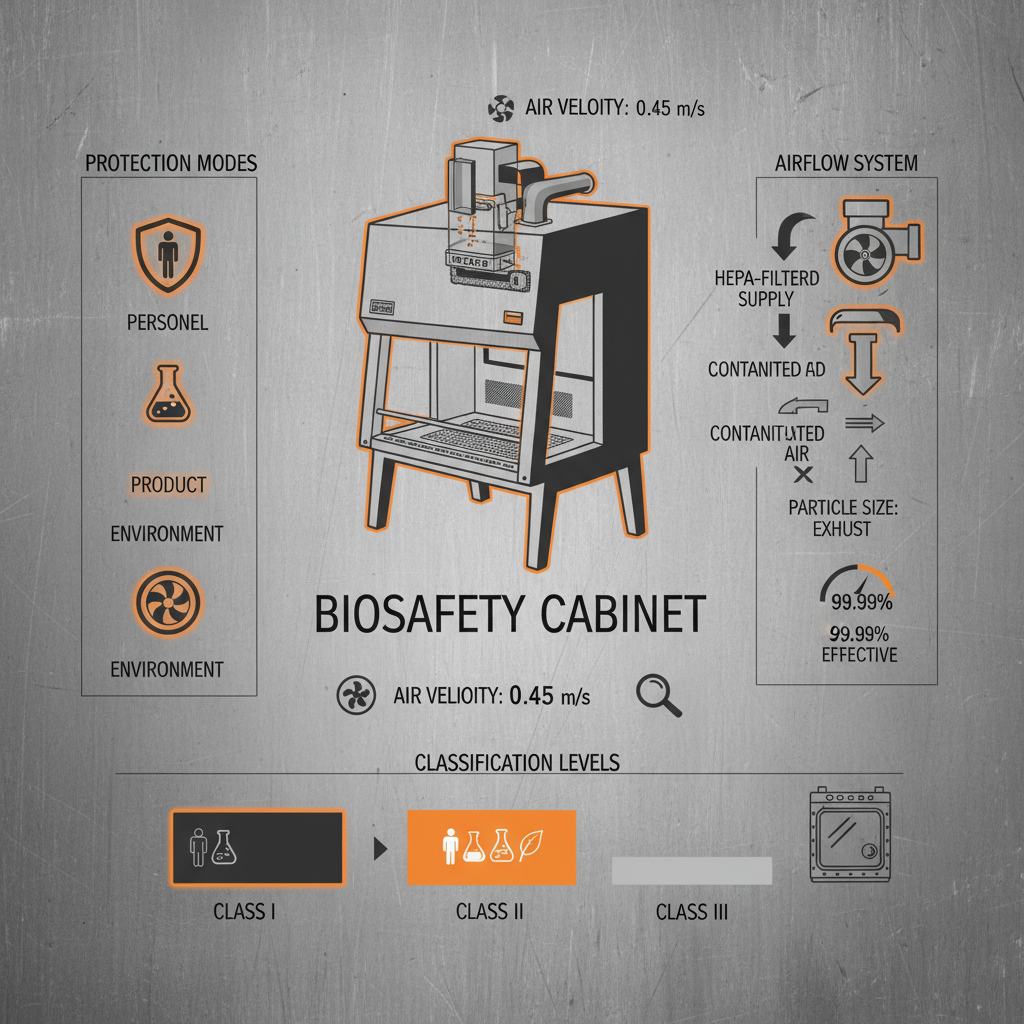
Biosafety Cabinet Specifications & Choosing the Right Size
When selecting a biosafety cabinet, consider the size and configuration that best suits your laboratory space and workflow. BSCs are available in various widths, ranging from compact models for limited space to larger units for accommodating multiple users or bulky equipment. Also, consider the internal volume, ensuring sufficient space for your experimental setup. Key specifications include airflow velocity, HEPA filter efficiency, and energy consumption. A thorough evaluation of your laboratory’s requirements will ensure optimal performance and safety.
Conclusion: Prioritizing Safety with a Reliable Biosafety Cabinet
Investing in a high-quality biosafety cabinet is crucial for protecting laboratory personnel, ensuring research integrity, and maintaining a safe working environment. By carefully considering the type of cabinet, key features, and specific application requirements, you can select the ideal solution for your laboratory. CZ Lab Instrument is dedicated to providing reliable and innovative biosafety solutions.
Frequently Asked Questions (FAQs)
How often should the HEPA filter in a biosafety cabinet be replaced?
HEPA filters should typically be replaced every 1-2 years, or as indicated by airflow monitoring systems. The frequency depends on the usage intensity, types of materials handled, and the filter’s performance. Regular filter testing and certification are crucial to ensure continued effectiveness. Replacing the filter ensures the cabinet maintains its ability to remove airborne contaminants, safeguarding both personnel and samples. Maintaining records of filter changes and testing is recommended for compliance and documentation purposes.
What is the importance of airflow monitoring in a biosafety cabinet?
Airflow monitoring is critical for verifying that the biosafety cabinet is functioning correctly and providing adequate protection. The airflow must meet specific velocity requirements to ensure proper containment. Monitoring systems continuously measure airflow and trigger alarms if levels fall outside acceptable ranges, alerting users to potential issues. Regular monitoring and calibration of airflow systems are essential for maintaining a safe and reliable working environment. Without proper airflow, the cabinet's ability to protect personnel and samples is compromised.
How should a biosafety cabinet be decontaminated?
Decontamination procedures depend on the agents being handled. Common methods include surface disinfection with appropriate chemicals, UV sterilization, and HEPA filter replacement. Always follow established laboratory protocols and manufacturer’s recommendations for decontamination. Before any maintenance or repair work, proper decontamination is essential to prevent exposure to hazardous materials. Thorough decontamination ensures the cabinet is safe for users and minimizes the risk of cross-contamination.
What training is required for working with a biosafety cabinet?
Comprehensive training is essential for all personnel working with biosafety cabinets. Training should cover proper usage techniques, decontamination procedures, emergency protocols, and potential hazards. Users should understand the importance of airflow patterns, HEPA filter maintenance, and personal protective equipment. Regular refresher training is recommended to reinforce best practices and ensure continued safety. Adhering to established safety guidelines minimizes the risk of accidents and contamination.


