
Comprehensive Guide to Furnace Laboratory Capabilities and Applications
Understanding the Capabilities of a Furnace Laboratory
A furnace laboratory is a specialized facility crucial for materials testing, research, and development in industries ranging from metallurgy and ceramics to aerospace and energy. These labs utilize high-temperature furnaces to simulate extreme conditions and analyze the behavior of materials under stress. CZ Lab Instrument provides a comprehensive range of furnace solutions tailored to meet the diverse needs of modern research and industrial applications. The importance of a well-equipped and properly maintained furnace laboratory cannot be overstated, as the data generated directly impacts product quality, safety, and innovation.
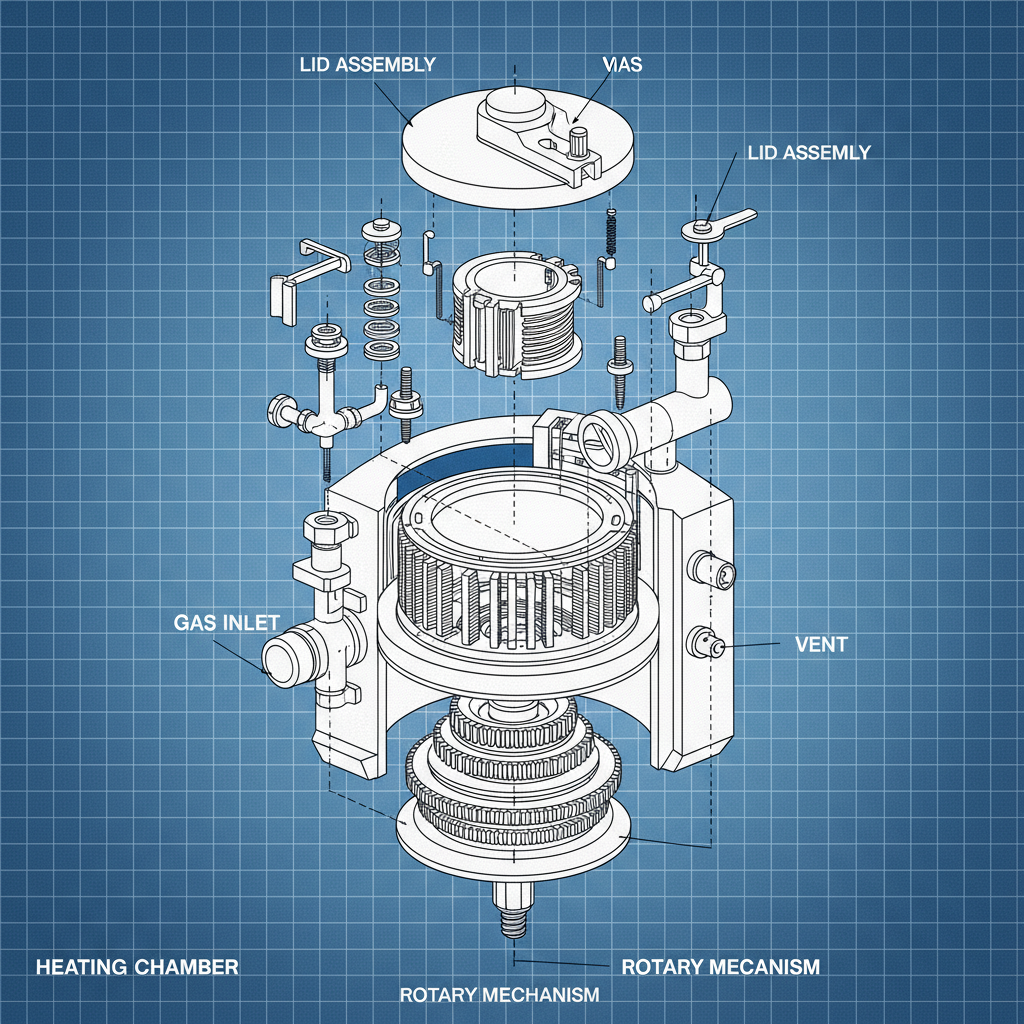
Core Functions of a Furnace Laboratory
The primary functions of a furnace laboratory revolve around precisely controlling and monitoring high-temperature processes. These include heat treatment, sintering, melting, annealing, and various forms of thermal analysis. Materials are subjected to defined temperature profiles, and their physical and chemical properties are meticulously measured. This data is then used to optimize materials processing, identify potential failure modes, and develop new materials with enhanced performance characteristics. Furthermore, many furnace laboratories perform crucial quality control tests to ensure adherence to industry standards and specifications.
Key Capabilities: Heat treatment, Sintering, Melting, Annealing, Thermal Analysis, Quality Control.
Types of Furnaces Used in a Laboratory Setting
A well-equipped furnace laboratory will likely house a variety of furnace types, each designed for specific applications. Common types include tube furnaces for controlled atmosphere processing, box furnaces for general-purpose heat treatment, crucible furnaces for melting and casting, and high-temperature vacuum furnaces for specialized material research. Selecting the appropriate furnace is critical for achieving accurate and reliable results. CZ Lab Instrument offers a broad selection of furnaces catering to diverse laboratory needs.
Furnace Type Benefits:
• Tube Furnaces: Controlled atmosphere processing.
• Box Furnaces: Versatile for general heat treatment.
• Crucible Furnaces: Ideal for melting and casting.
• Vacuum Furnaces: Specialized high-temperature research.
Furnace Laboratory Equipment: Beyond the Furnace Itself
While the furnace is the centerpiece, a functional furnace laboratory requires a suite of supporting equipment. This includes precise temperature controllers, data loggers for recording temperature profiles, gas handling systems for controlled atmospheres, vacuum pumps for vacuum furnaces, and various analytical instruments for material characterization. Safety equipment, such as fume hoods, protective clothing, and fire suppression systems, is also paramount. Careful calibration and maintenance of all equipment are essential for ensuring data accuracy and reliability.
Industries Utilizing Furnace Laboratories
The applications of a furnace laboratory are widespread. The aerospace industry relies on them for testing high-temperature alloys used in jet engines. The automotive industry uses them for heat treating components to improve strength and durability. The ceramics industry utilizes furnaces for sintering and firing ceramic materials. Research institutions employ these labs for materials discovery and fundamental studies. Essentially, any industry requiring precise control over high-temperature processes benefits from a dedicated furnace laboratory.
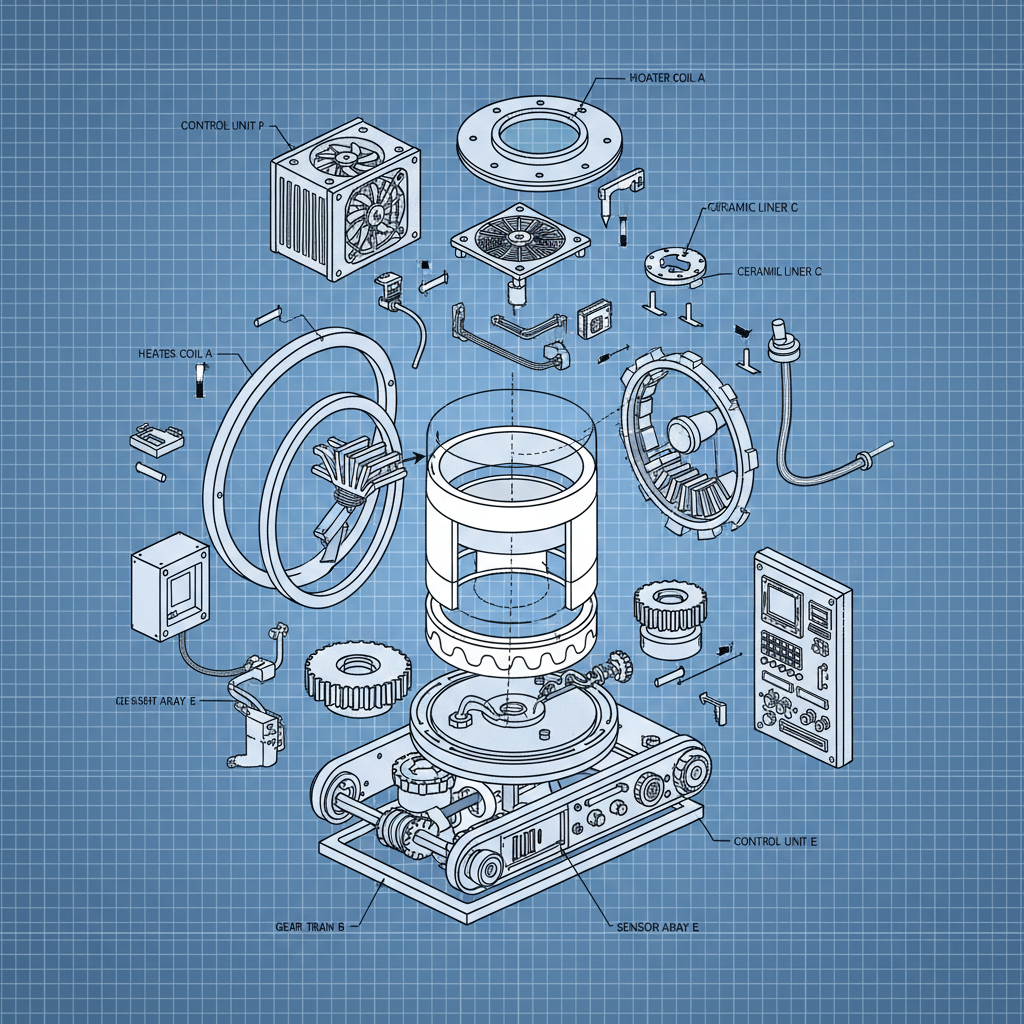
Safety Considerations in a Furnace Laboratory
Safety is paramount in a furnace laboratory. High temperatures, potentially hazardous gases, and heavy equipment require strict adherence to safety protocols. Proper ventilation, the use of personal protective equipment (PPE), and regular safety training are essential. Clearly defined emergency procedures and readily accessible fire suppression systems are also crucial. A robust safety culture is vital for preventing accidents and ensuring the well-being of all personnel.
Conclusion: The Indispensable Role of the Furnace Laboratory
The furnace laboratory plays a critical role in materials science, engineering, and manufacturing. A well-equipped and safely operated lab is essential for innovation, quality control, and ensuring the performance and reliability of countless products. CZ Lab Instrument is committed to providing state-of-the-art furnace solutions and comprehensive support to meet the evolving needs of the modern laboratory.
Frequently Asked Questions (FAQs)
What are the key considerations when choosing a furnace for a laboratory?
Selecting the right furnace requires careful consideration of several factors. The maximum temperature required for your applications is paramount. The type of material being processed, the desired atmosphere (air, inert gas, vacuum), and the sample size are also critical. Budget, available space, and future scalability should also be factored into the decision-making process. It’s wise to consult with a furnace specialist to ensure you select a model that meets your specific needs and provides optimal performance. CZ Lab Instrument can provide expert guidance.
How often should furnace laboratory equipment be calibrated?
Calibration frequency depends on the equipment and its usage. Temperature controllers and data loggers should be calibrated at least annually, or more frequently if they are used intensively or in critical applications. Gas flow meters and vacuum gauges also require periodic calibration. Maintaining accurate calibration ensures the reliability and validity of experimental data. Proper documentation of calibration procedures and results is essential for traceability and quality control.
What safety measures are essential in a furnace laboratory?
Essential safety measures include comprehensive ventilation to remove fumes and gases, the use of appropriate personal protective equipment (PPE) such as heat-resistant gloves and safety glasses, and readily accessible fire suppression systems. Clearly labeled emergency procedures, regular safety training for all personnel, and strict adherence to safety protocols are also crucial. Proper grounding of equipment and regular inspections for potential hazards are vital for preventing accidents.
What are the typical applications of vacuum furnaces in a research setting?
Vacuum furnaces are used in research for a wide range of applications including sintering of advanced ceramics and metal powders, diffusion bonding, heat treatment of reactive materials, and removal of volatile elements. The controlled atmosphere eliminates oxidation and contamination, allowing for precise control over material properties. They are essential for studying materials behavior in a clean and controlled environment, leading to advancements in materials science and engineering.


