
Comprehensive Guide to Heat Treatment Industrial Ovens and Their Applications
Heat Treatment Industrial Ovens: A Comprehensive Guide
Heat treatment industrial ovens are critical pieces of equipment used across a wide range of manufacturing processes to alter the physical and sometimes chemical properties of materials. From improving ductility and hardness to relieving internal stresses, these ovens play a vital role in producing high-quality components. This article will provide a detailed overview of heat treatment ovens, including their types, applications, key features, and considerations when selecting the right oven for your needs. Understanding the intricacies of these systems is crucial for optimizing your manufacturing processes and achieving desired material characteristics. Discover more about precision heat treatment solutions at CZ Lab Instrument.

Types of Heat Treatment Industrial Ovens
There are several types of heat treatment ovens, each suited to specific applications and materials. These include box ovens, car bottom ovens, continuous ovens, and vacuum ovens. Box ovens are the most common type, offering simplicity and versatility for general heat treatment processes. Car bottom ovens are designed for larger workloads, allowing materials to be easily loaded and unloaded on a movable hearth. Continuous ovens are used for high-volume production, continuously moving parts through different temperature zones. Finally, vacuum ovens offer precise control and minimize oxidation by conducting heat treatment in a vacuum environment. Choosing the right type depends on your specific process requirements, material type, and production volume.
Key Considerations: Oven type, temperature range, atmosphere control, workload size, and automation capabilities are all crucial factors when selecting a heat treatment oven.
Applications of Heat Treatment Ovens
Heat treatment ovens find applications in a diverse range of industries. The aerospace industry uses them for hardening and tempering aircraft components. Automotive manufacturers employ these ovens to improve the strength and durability of gears and axles. The medical device industry relies on heat treatment for sterilizing and hardening surgical instruments. Additionally, industries like electronics, tooling, and metal fabrication all utilize heat treatment ovens to optimize material properties and enhance product performance. The precision and control offered by modern heat treatment ovens are essential for meeting stringent industry standards.
Common Heat Treatment Processes:
• Annealing: Softening materials and relieving internal stresses.
• Hardening: Increasing the material's resistance to deformation.
• Tempering: Balancing hardness with toughness.
• Normalizing: Refining grain structure for improved consistency.
Heat Treatment Industrial Ovens: Key Features and Specifications
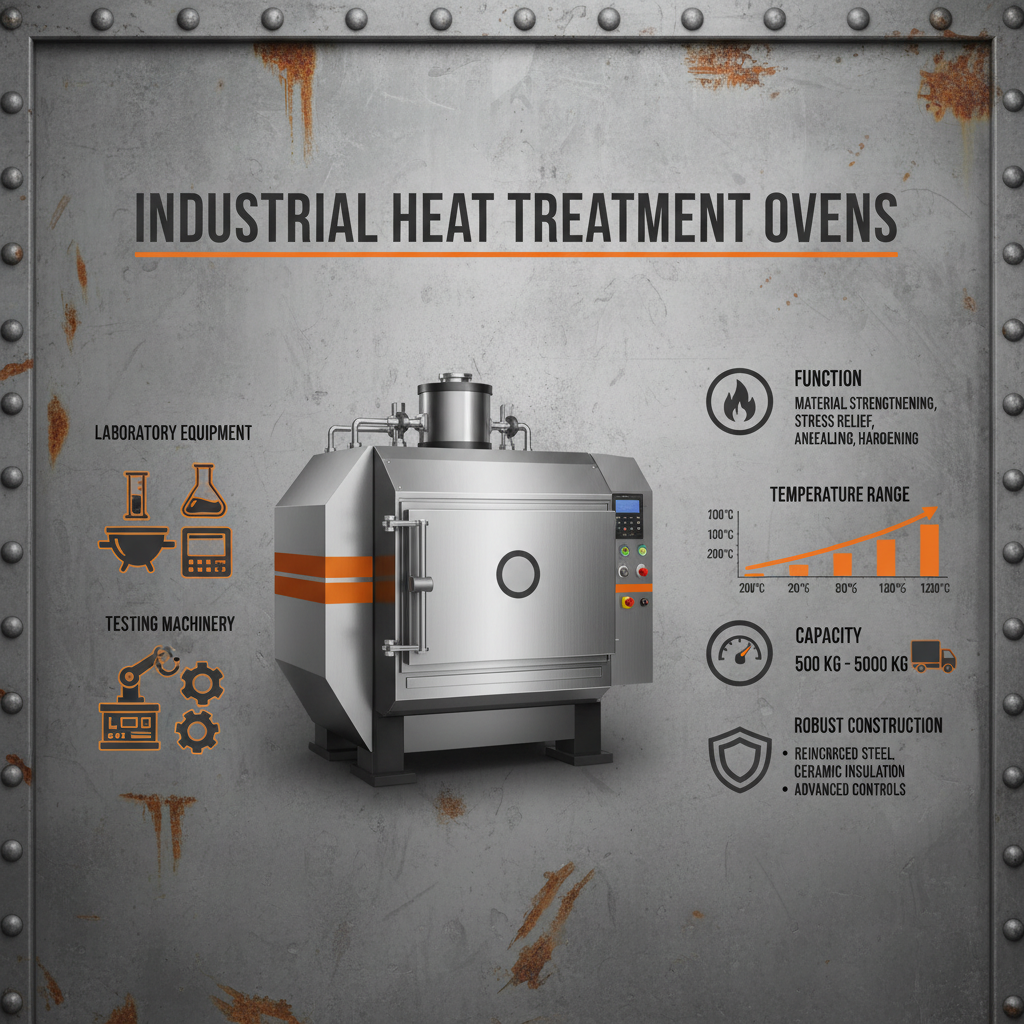
Modern heat treatment ovens incorporate several key features to ensure precise control and reliable performance. These include programmable temperature controllers, accurate temperature sensors (thermocouples), robust insulation materials, and effective atmosphere control systems. Atmosphere control is particularly important, as it can prevent oxidation and maintain the desired material properties. The ability to control the heating rate, soaking time, and cooling rate is also crucial for achieving optimal results. Here’s a table showcasing typical specifications:
Selecting the Right Heat Treatment Oven: A Comparative Analysis
Choosing the optimal heat treatment oven requires careful consideration of your specific needs. Here's a comparison of common oven types to aid in your decision-making:
Maintenance and Safety Considerations
Regular maintenance is essential for ensuring the longevity and reliable operation of heat treatment ovens. This includes inspecting insulation, checking temperature sensors, and verifying the proper functioning of atmosphere control systems. Safety should also be a top priority. Always follow manufacturer’s instructions, wear appropriate personal protective equipment (PPE), and ensure proper ventilation. Regular safety audits and training for personnel are crucial for preventing accidents and maintaining a safe working environment. CZ Lab Instrument offers comprehensive maintenance and support services to help you maximize the performance and safety of your heat treatment ovens.
Conclusion: Investing in Quality Heat Treatment Ovens
Investing in a high-quality heat treatment industrial oven is a crucial step towards enhancing your manufacturing processes and achieving superior product quality. By carefully considering your specific needs, choosing the right oven type, and prioritizing maintenance and safety, you can maximize the benefits of this essential equipment. Explore the innovative solutions and expert support offered by CZ Lab Instrument to find the perfect heat treatment oven for your application.
Frequently Asked Questions (FAQs)
What factors influence the cost of a heat treatment oven?
Several factors contribute to the cost of a heat treatment oven, including its size, maximum temperature, atmosphere control capabilities, level of automation, and the manufacturer. Larger ovens with higher temperature ratings and advanced features tend to be more expensive. Vacuum ovens, due to their complex technology, generally carry a higher price tag than box or car bottom ovens. Customization and specific industry requirements also influence the final cost. Investing in a well-built oven from a reputable supplier ensures long-term value and minimizes maintenance expenses.
How important is atmosphere control in heat treatment?
Atmosphere control is critically important in many heat treatment processes. Controlling the atmosphere – typically using inert gases like nitrogen or argon – prevents oxidation, decarburization, and other undesirable reactions that can affect the material's properties. Maintaining a controlled atmosphere ensures consistent and predictable results, leading to higher-quality products. Vacuum ovens offer the most precise atmosphere control, minimizing the presence of reactive gases and creating an ideal environment for sensitive materials.
What is the typical lead time for ordering a custom heat treatment oven?
The lead time for ordering a custom heat treatment oven can vary depending on the complexity of the design, the availability of materials, and the manufacturer's production schedule. Typically, lead times range from 8 to 16 weeks. It's crucial to provide detailed specifications and clear communication with the manufacturer to ensure accurate quoting and timely delivery. CZ Lab Instrument offers efficient project management to streamline the custom oven ordering process.
What safety precautions should be taken when operating a heat treatment oven?
Safety is paramount when operating a heat treatment oven. Always wear appropriate personal protective equipment (PPE), including heat-resistant gloves, safety glasses, and protective clothing. Ensure proper ventilation to remove any fumes or gases. Never touch hot surfaces without protection. Follow the manufacturer's instructions carefully and undergo proper training before operating the oven. Implement regular safety inspections and maintenance procedures to prevent accidents.


