
Comprehensive Guide to Laboratory Vicat Needle Apparatus and Its Applications
Laboratory Vicat Needle Apparatus: A Comprehensive Guide
The Laboratory Vicat Needle Apparatus is a vital instrument for assessing the softening point of bituminous materials and thermoplastics. Widely used in quality control and research, this apparatus provides critical data for determining material performance under varying temperatures. Understanding its features, applications, and proper operation is crucial for accurate and reliable results. This guide delves into the specifics of the Vicat apparatus, covering its components, testing procedures, and importance in materials science. Choosing the right apparatus and adhering to standardized testing methods ensures the integrity and consistency of material evaluations.
Understanding the Principles of the Vicat Test
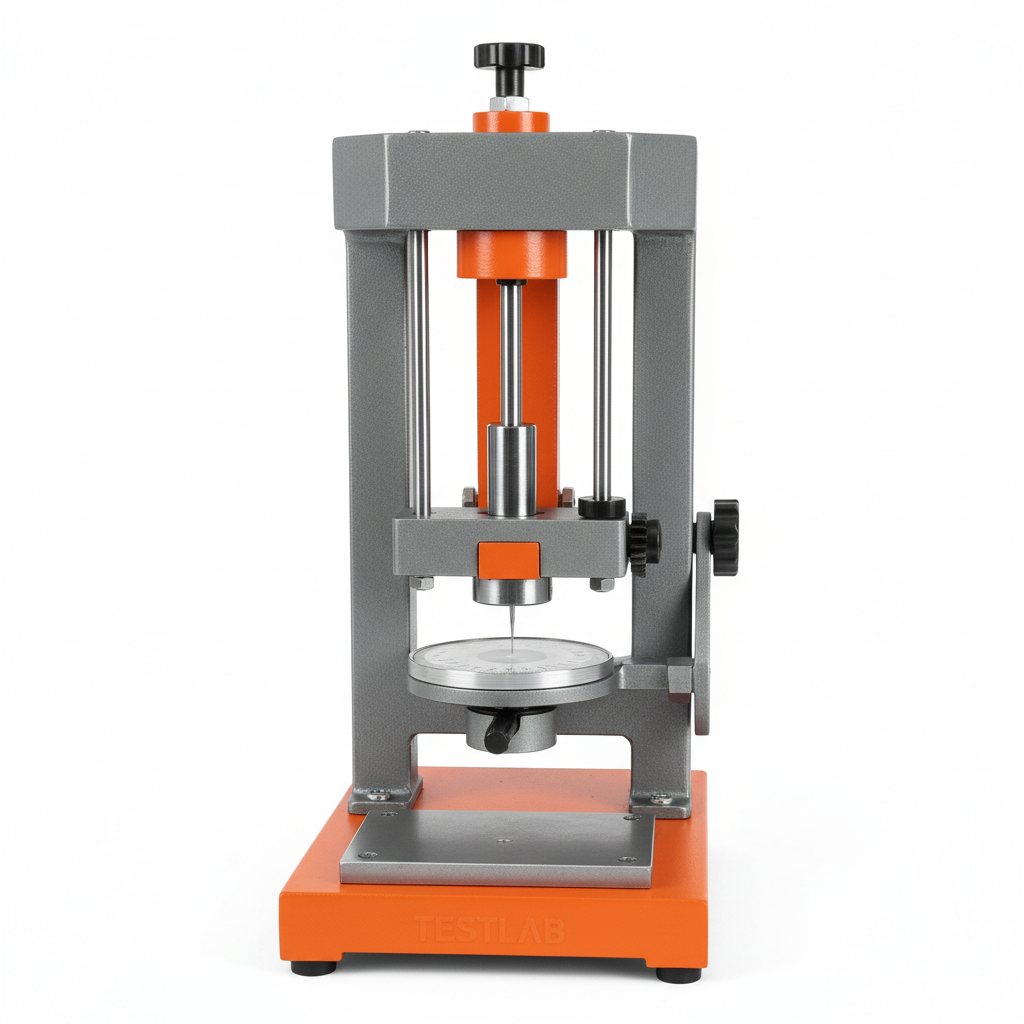
The Vicat test determines the temperature at which a specimen of a thermoplastic or bituminous material begins to soften and deform under a specified load. A standardized needle is lowered onto the specimen, which is immersed in a heated liquid bath. The temperature at which the needle penetrates a specific distance into the material is recorded as the Vicat softening point. This method provides a quick and relatively simple way to assess the material's resistance to deformation at elevated temperatures. The test is particularly useful for identifying the temperature range where the material transitions from a rigid state to a more pliable state.
Key Benefits: Provides a standardized method for determining softening point, enabling consistent material comparison, essential for quality control and research.
Key Components of a Laboratory Vicat Needle Apparatus
A typical Vicat Needle Apparatus consists of several essential components: a water bath with precise temperature control, a specimen holder, a standardized Vicat needle (typically made of steel), a loading device (to apply a consistent force), a thermometer for accurate temperature measurement, and a viewing magnifier for precise observation of needle penetration. The quality and precision of each component are critical for obtaining accurate and repeatable results. Modern apparatus often incorporate digital temperature controllers and automated data logging for enhanced efficiency and data accuracy. Regular calibration of the thermometer and loading device is essential to maintain the reliability of the test.
Component Importance:
• Water Bath: Maintains a consistent and controlled temperature.
• Vicat Needle: Standardized for consistent penetration force.
• Thermometer: Provides accurate temperature readings.
• Loading Device: Ensures a consistent and specified load.
Laboratory Vicat Needle Apparatus: Standards and Compliance
The Vicat test is governed by several international standards, including ASTM D1525 and ISO 306. These standards specify the precise testing procedures, apparatus requirements, and reporting formats to ensure consistency and comparability of results across different laboratories and materials. Adhering to these standards is crucial for obtaining valid and reliable data. The standards also define the dimensions of the test specimens and the applied load. Using a Vicat apparatus that meets the requirements of these standards is essential for quality control and regulatory compliance.
Applications of the Vicat Needle Apparatus Across Industries
The Laboratory Vicat Needle Apparatus finds extensive application in various industries, including plastics manufacturing, asphalt production, rubber processing, and polymer research. In the plastics industry, it is used to characterize the thermal behavior of polymers and ensure they meet specific performance requirements. In asphalt production, it helps determine the softening point of bitumen, which is crucial for road construction and pavement design. Researchers utilize the apparatus to study the properties of new materials and optimize formulations. Accurate softening point determination is vital for predicting material performance in end-use applications.
Selecting the Right Vicat Needle Apparatus: Key Considerations
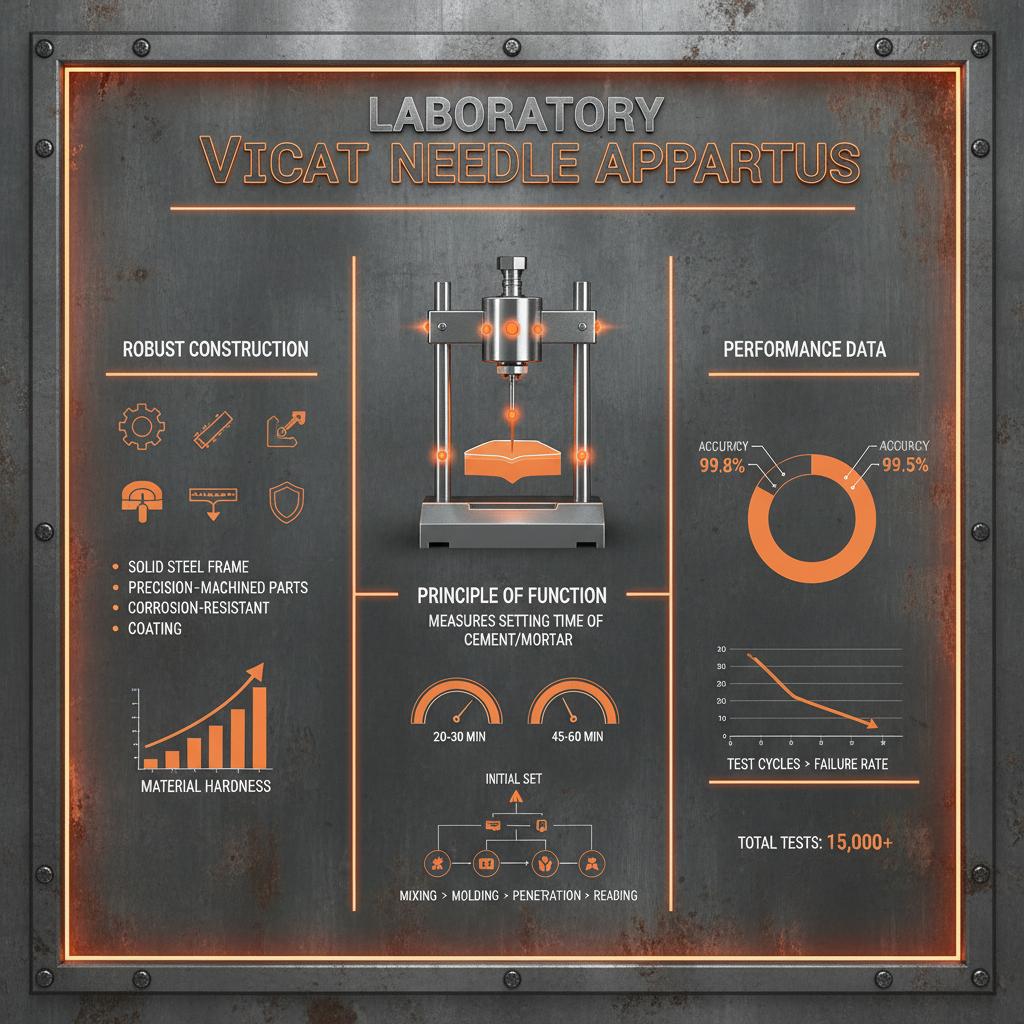
When selecting a Laboratory Vicat Needle Apparatus, consider factors such as the type of materials you'll be testing, the required accuracy, and the level of automation desired. Look for an apparatus that complies with relevant standards (ASTM, ISO) and features a robust construction for long-term durability. Digital temperature controllers and automated data logging capabilities enhance efficiency and accuracy. Ensure the apparatus includes all necessary accessories, such as specimen holders and Vicat needles. Furthermore, consider the manufacturer's reputation for quality and customer support.
Conclusion: Ensuring Accurate Material Characterization
The Laboratory Vicat Needle Apparatus is an indispensable tool for material scientists and quality control professionals. By providing a reliable and standardized method for determining softening point, it helps ensure the performance and durability of a wide range of materials. Investing in a high-quality apparatus and adhering to established testing procedures are essential for obtaining accurate and meaningful results.
Frequently Asked Questions (FAQs)
What type of materials can be tested with a Vicat apparatus?
The Vicat apparatus is primarily used to determine the softening point of thermoplastic polymers and bituminous materials. This includes a wide range of plastics like polyethylene, polypropylene, PVC, and polystyrene, as well as asphalt, bitumen, and various waxes. The apparatus can also be used with some thermosetting resins, although the results might require careful interpretation due to the different softening behavior of these materials. The key is that the material must exhibit a clear softening point within the temperature range of the test.
How often should the Vicat needle be replaced?
The Vicat needle is a critical component and should be replaced periodically, or whenever it shows signs of wear or damage. A worn or damaged needle can affect the accuracy of the test results. As a general guideline, replace the needle after approximately 200 tests, or if it becomes bent, corroded, or has a blunted tip. Regular inspection of the needle is essential to ensure its integrity.
What is the significance of the test temperature?
The test temperature is critical to obtaining accurate and meaningful results. Different materials have different softening points, and the test temperature should be selected based on the expected softening point range of the material being tested. The test temperature must be maintained consistently throughout the test to ensure accurate temperature measurement. Temperature fluctuations can significantly affect the results.


