
Comprehensive Guide to Selecting the Ideal Laboratory Furnace for Your Needs
Laboratory Furnace: A Comprehensive Guide
A laboratory furnace is a crucial piece of equipment in many scientific and industrial settings. These furnaces are designed to precisely control temperature, making them essential for materials testing, heat treatment, and various research applications. Choosing the right furnace depends on specific needs, including temperature range, chamber size, and heating rate. This guide will explore the different types of laboratory furnaces, their applications, key features, and what to consider when making a purchase. Understanding these factors is essential for optimizing your research and ensuring accurate results.
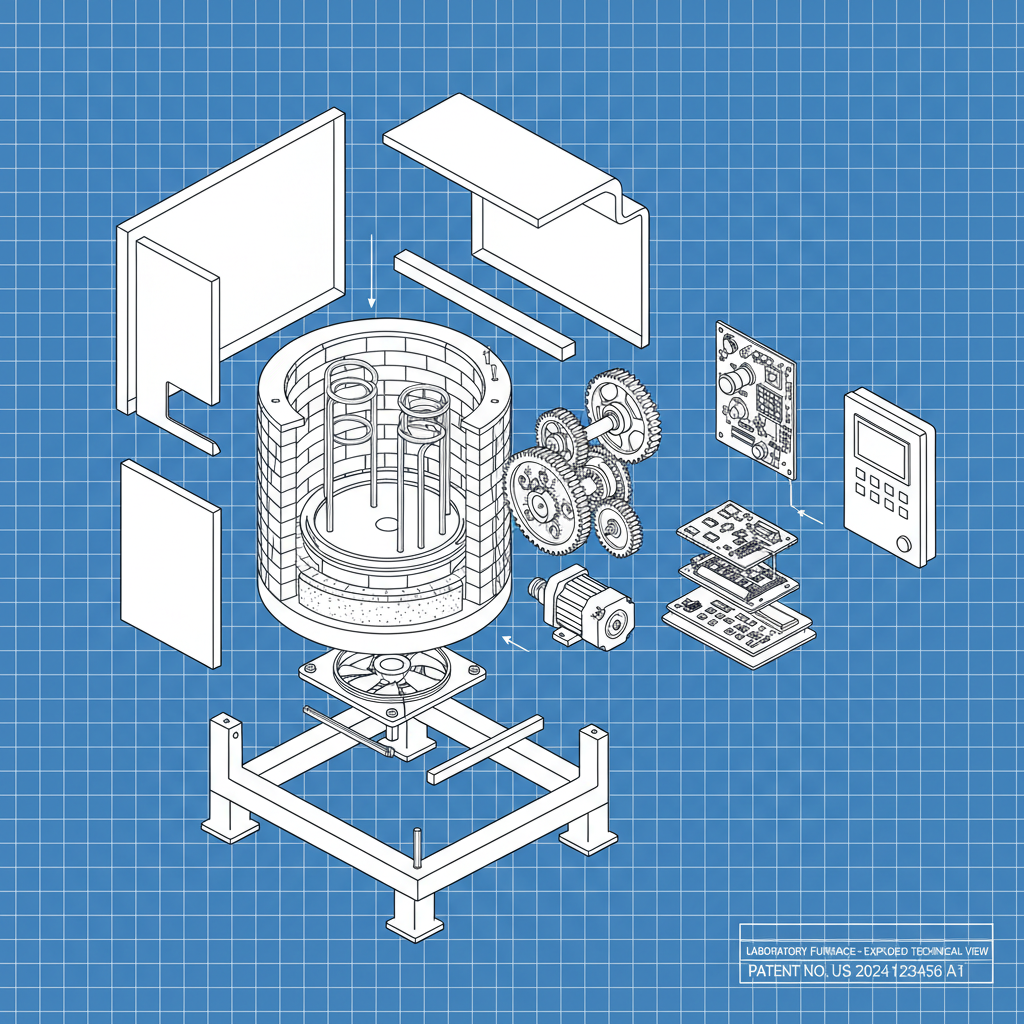
Types of Laboratory Furnaces
Laboratory furnaces come in various types, each suited for specific applications. Tube furnaces are ideal for heating samples in a controlled atmosphere, often used in materials science and semiconductor research. Box furnaces provide a larger heating chamber for processing multiple samples simultaneously, commonly used for heat treatment and annealing. Muffle furnaces are designed for high-temperature applications, often used in ash content determination and materials testing. High-temperature furnaces reach extremely high temperatures, used in sintering and ceramic production. The selection depends heavily on the user’s intended applications, and CZ Lab Instrument offers a diverse range to meet varying requirements.
Key Highlights: Diverse range of furnace types available, catering to various scientific and industrial needs. Precise temperature control ensures accuracy and repeatability. Durable construction for long-lasting performance.
Applications of Laboratory Furnaces
Laboratory furnaces are integral to a wide array of scientific and industrial processes. In materials science, they are used for sintering, annealing, and heat treatment to modify the properties of materials. Chemical analysis utilizes furnaces for ash content determination and sample preparation. Semiconductor manufacturing relies on them for controlled atmosphere processing and wafer annealing. Pharmaceutical research utilizes furnaces for drying and calcination processes. The versatility of these furnaces makes them indispensable tools for innovation and quality control.
Application Benefits:
• Precise temperature control for accurate results
• Versatility across various scientific disciplines
• Essential for materials characterization and modification
• Improves process efficiency and product quality
Laboratory Furnace: Key Features and Considerations
When selecting a laboratory furnace, several key features should be considered. Maximum temperature is crucial, depending on the application. Chamber size dictates the amount of material that can be processed at once. Heating rate influences the speed of processing. Temperature uniformity ensures consistent heating throughout the chamber. Atmosphere control allows for operation in inert or reducing environments. Digital controllers with programmable profiles are also essential for automating processes. Consider these aspects to choose a furnace that aligns with your specific requirements.
Selecting the Right Laboratory Furnace with CZ Lab Instrument
Choosing the right laboratory furnace is a significant investment. CZ Lab Instrument offers expert consultation to help you identify the optimal furnace for your specific application. We provide a wide range of models, competitive pricing, and comprehensive support services. Our commitment to quality and customer satisfaction ensures you receive a reliable and high-performing furnace that meets your research or industrial needs.
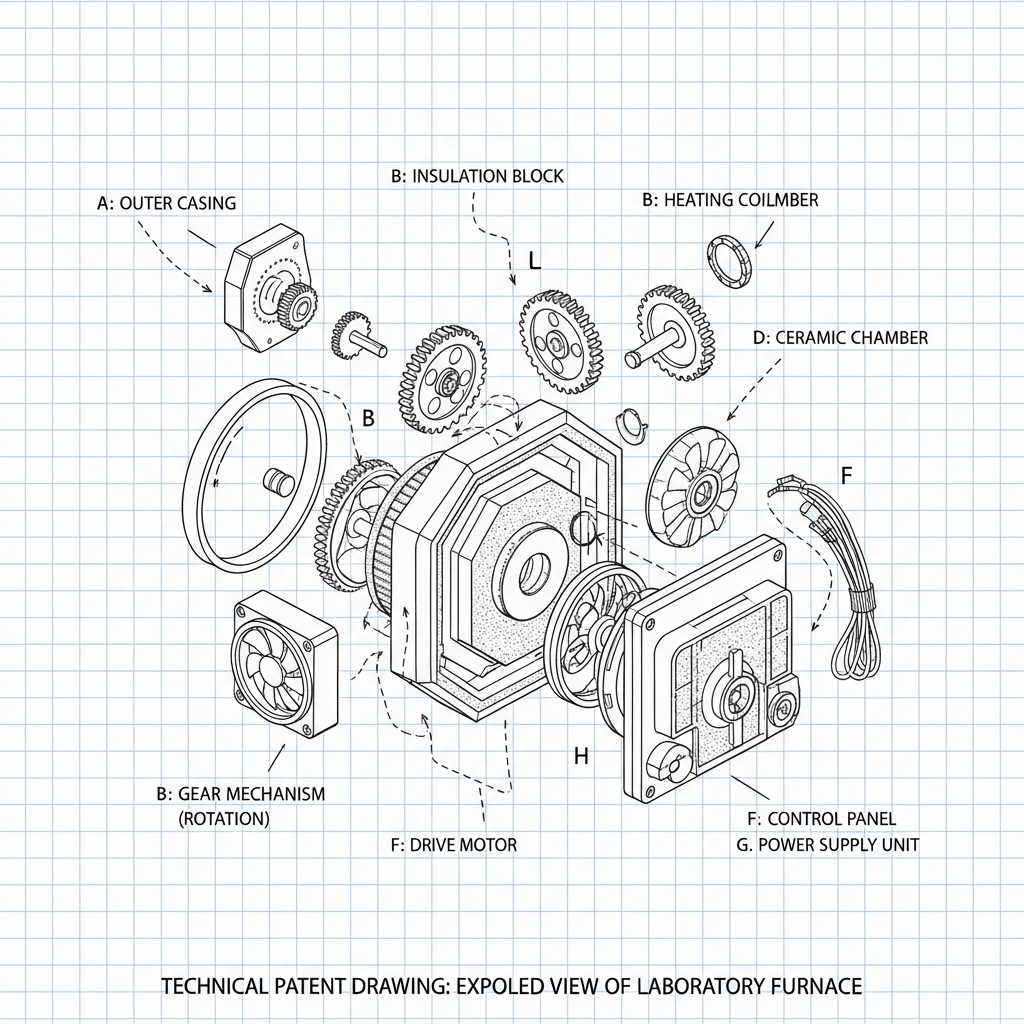
Technical Specifications & Common Ranges
Here’s a representative overview of technical specifications found across common laboratory furnace models:
Conclusion: Investing in Quality with a Laboratory Furnace
Choosing the right laboratory furnace is essential for achieving reliable and accurate results in your research or industrial processes. CZ Lab Instrument offers a comprehensive range of furnaces designed to meet diverse needs and budgets. By prioritizing quality, precision, and customer support, we empower you to optimize your workflows and achieve your scientific goals. Contact us today to explore our options and find the perfect furnace for your application.
Frequently Asked Questions (FAQs)
What factors should I consider when choosing a laboratory furnace?
Several factors influence your choice. First, determine the maximum temperature required for your applications. Then, consider the chamber size needed to accommodate your samples. Evaluate the importance of temperature uniformity and atmosphere control. Also, think about the heating rate needed for efficient processing. Finally, consider the type of controller needed – programmable controllers offer automated profiles for complex processes. CZ Lab Instrument can help you assess your specific needs and recommend the most appropriate furnace.
What is the importance of temperature uniformity in a laboratory furnace?
Temperature uniformity is crucial for ensuring consistent and reliable results. If the temperature varies significantly within the chamber, it can lead to uneven heating of samples, affecting material properties and experimental outcomes. High-quality furnaces are designed with optimized heating elements and insulation to minimize temperature gradients, ensuring uniform heating throughout the chamber. This is particularly important for processes like annealing, sintering, and heat treatment, where consistent temperature is critical.
Can laboratory furnaces be used with different atmospheres?
Yes, many laboratory furnaces can be used with different atmospheres. Some furnaces are designed with sealed chambers and gas inlet ports, allowing you to purge the chamber with inert gases like argon or nitrogen, or reducing gases like hydrogen. This is essential for preventing oxidation, controlling reaction processes, and achieving specific material properties. Always consult the furnace specifications and safety guidelines before using different atmospheres.
How often should a laboratory furnace be calibrated?
It's recommended to calibrate a laboratory furnace at least once a year, or more frequently if it's used for critical applications requiring high accuracy. Calibration ensures the furnace is accurately displaying and maintaining the set temperature. CZ Lab Instrument offers calibration services to ensure your furnace meets the highest standards of accuracy and reliability. Regular calibration is crucial for maintaining the validity of your experimental data and complying with quality control standards.


