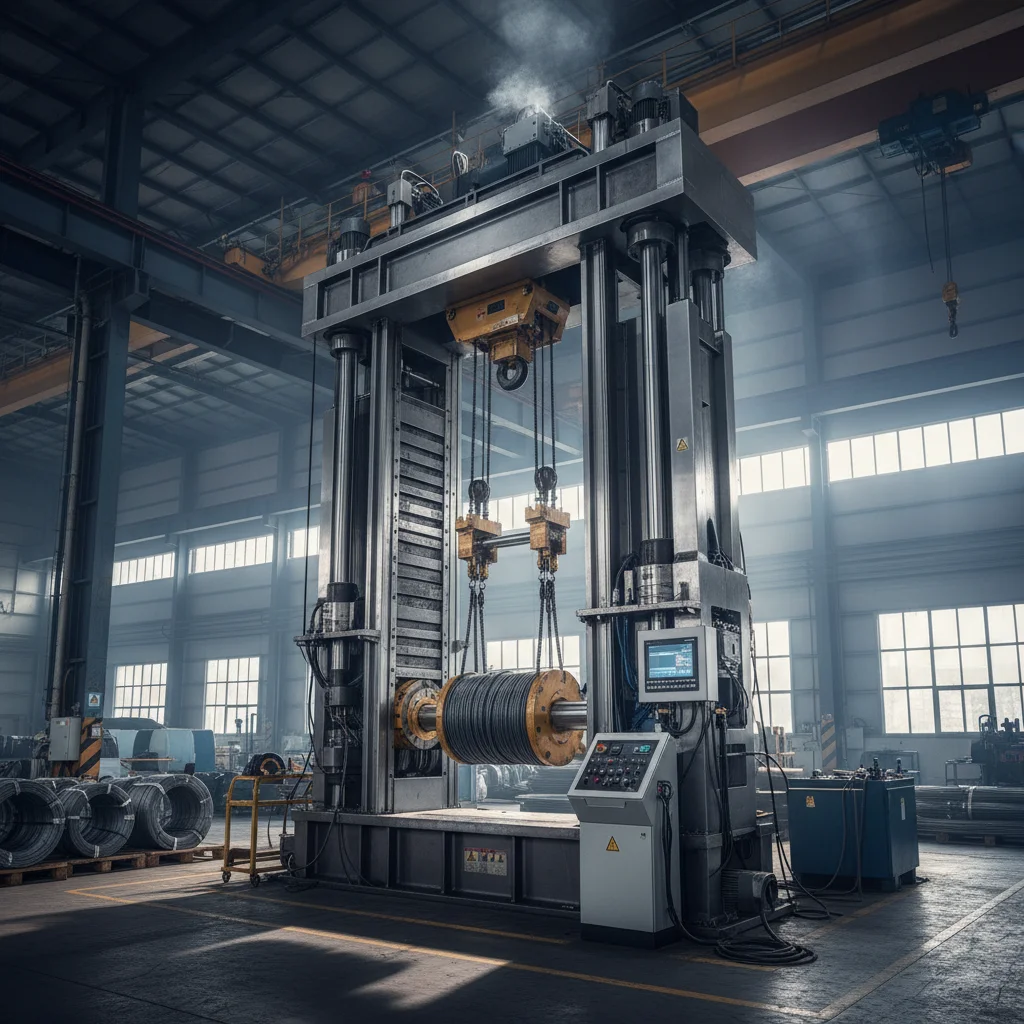
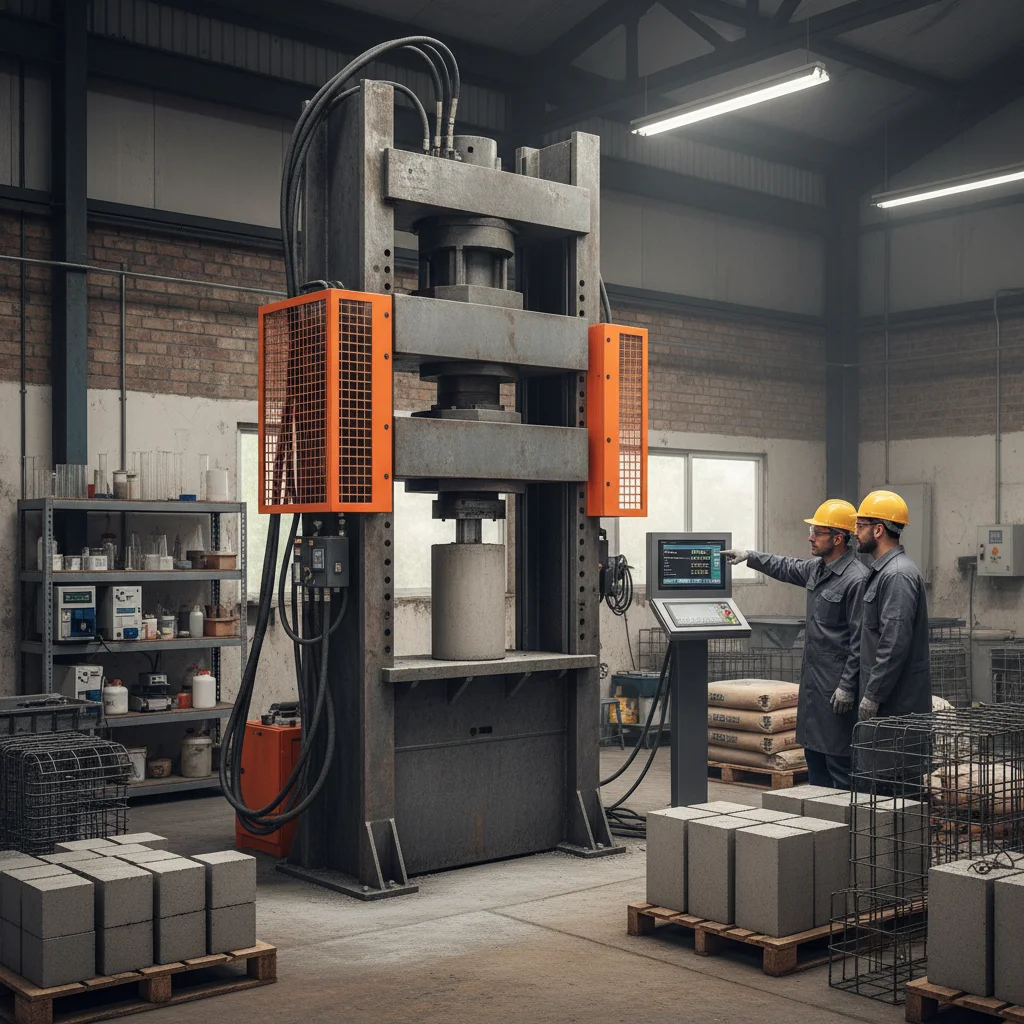
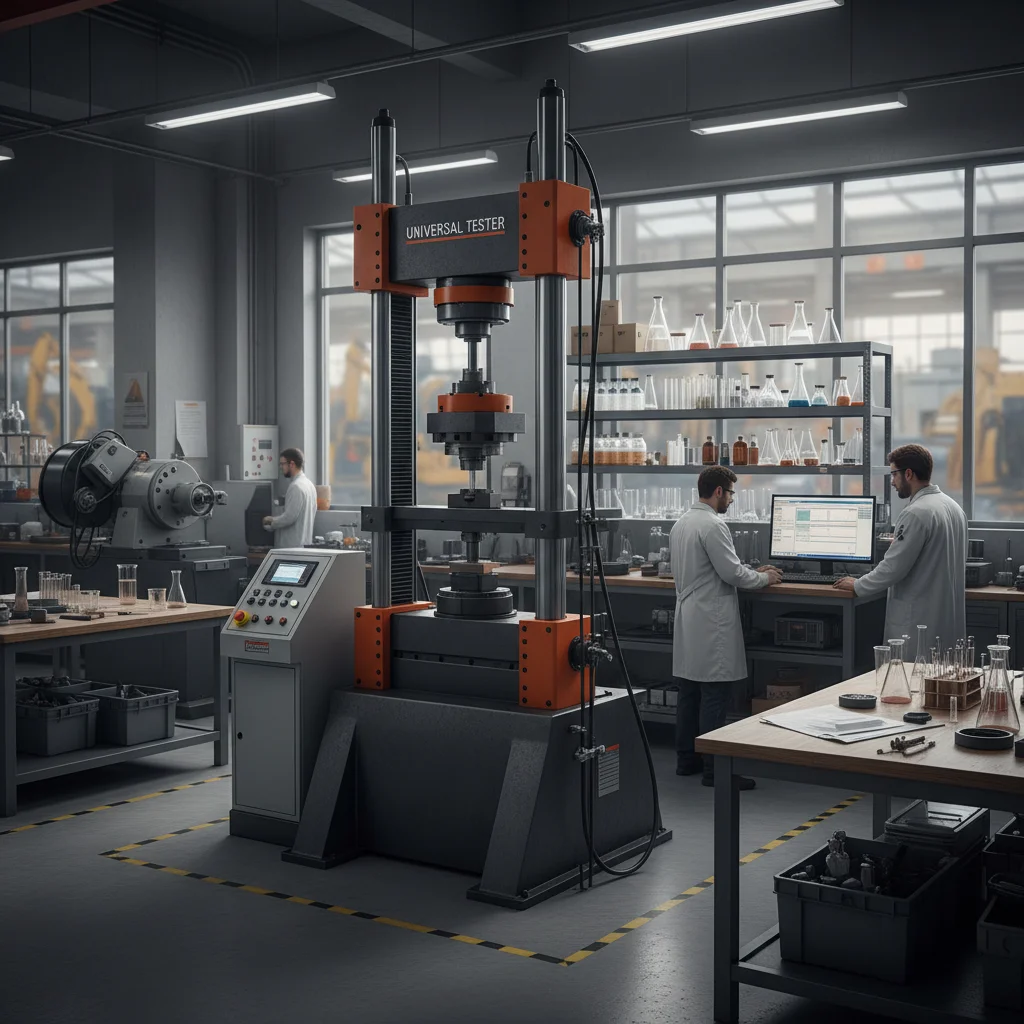
In the realm of materials science, engineering, and quality control, the servo universal testing machine stands as an indispensable tool. This sophisticated instrument enables precise and reliable measurement of a material’s mechanical properties, such as tensile strength, compression strength, flexural strength, and more. This article will explore the principles, applications, key features, and benefits of servo universal testing machines, with a focus on how they contribute to product development, quality assurance, and research. Understanding these machines is critical for anyone involved in material testing and ensuring product reliability. At its core, a servo universal testing machine applies a controlled force to a specimen, while simultaneously measuring the resulting deformation. The ‘servo’ aspect refers to the closed-loop control system, utilizing a servo motor to precisely regulate the force application. This control allows for a wide range of testing speeds and force capacities. These machines employ load cells to measure force and extensometers to measure deformation, and sophisticated software translates this data into critical material properties. The key to accurate results lies in the machine’s ability to maintain precise control over these variables.

 28 March 2026
 27 March 2026
 26 March 2026
 26 March 2026
 26 March 2026
 26 March 2026
 26 March 2026
 26 March 2026
 26 March 2026
 26 March 2026
 26 March 2026
 26 March 2026