
Temperature Humidity Chamber Concrete Ensuring Durability and Quality Control
Temperature Humidity Chamber Concrete: Ensuring Durability and Quality
Concrete, a cornerstone of modern infrastructure, demands rigorous testing to guarantee its resilience and longevity. A crucial aspect of this testing involves subjecting concrete samples to varying temperature and humidity levels, simulating real-world environmental conditions. This is where a temperature humidity chamber concrete becomes indispensable. These chambers provide a controlled environment for accelerating the aging process, evaluating freeze-thaw resistance, and assessing the impact of moisture on concrete performance. Understanding the importance of these chambers and their applications is critical for construction professionals, material scientists, and quality control engineers. CZ Lab Instrument provides high-quality, reliable solutions for all your concrete testing needs.
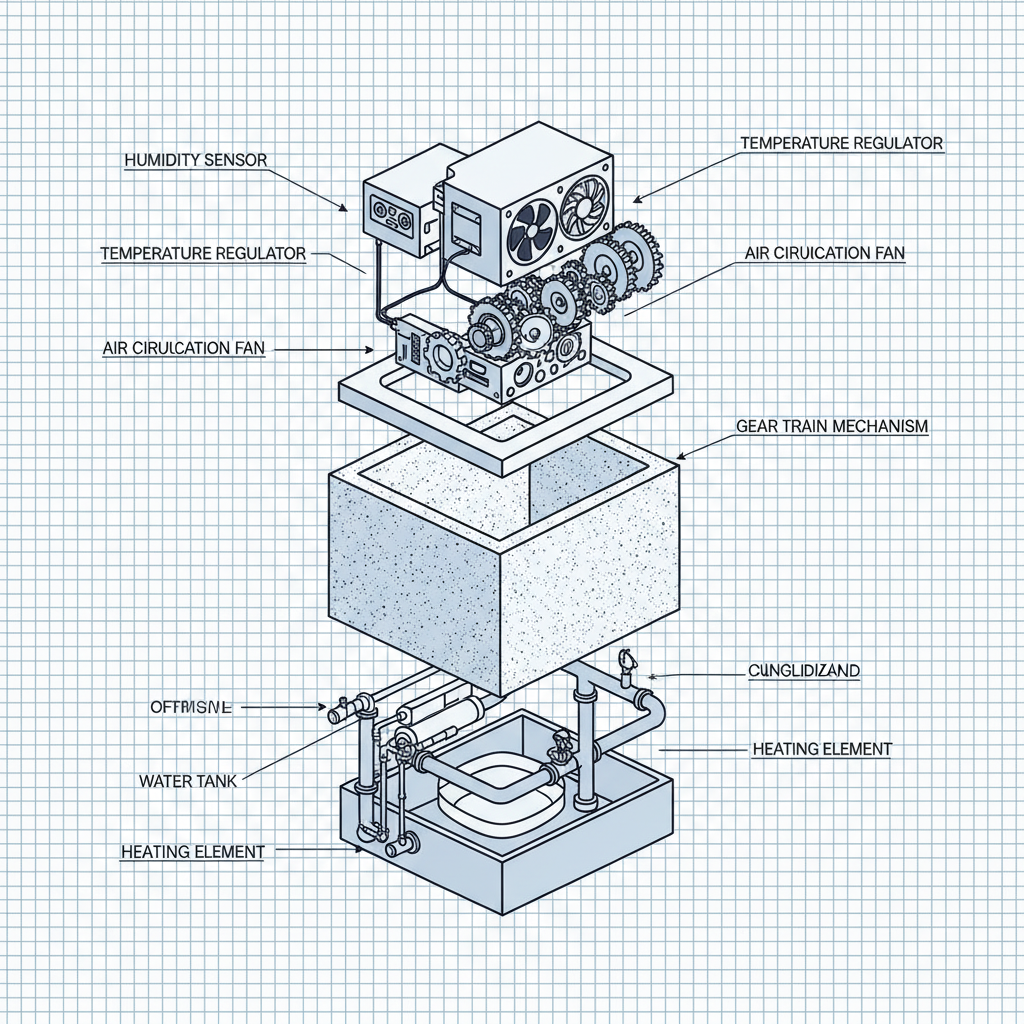
Why Use a Temperature Humidity Chamber for Concrete Testing?
Concrete is susceptible to degradation from temperature fluctuations and moisture absorption. Cycles of freezing and thawing can cause cracking and spalling, while prolonged exposure to humidity can lead to corrosion of reinforcing steel. A temperature humidity chamber accelerates these processes, allowing engineers to predict the long-term behavior of concrete in a fraction of the time it would take in natural conditions. This accelerated testing is invaluable for identifying potential weaknesses, optimizing concrete mixtures, and ensuring structures meet safety and performance standards. The chambers offer precise control over parameters such as temperature, humidity, and duration, allowing for repeatable and reliable results. This is paramount for maintaining quality control and meeting industry regulations.
Key Benefits: Accelerated aging, evaluation of freeze-thaw resistance, assessment of moisture impact, precise environmental control, and repeatable results.
Applications of Temperature Humidity Chambers in Concrete Testing
The applications of these chambers are diverse and span across various concrete-related fields. They are utilized to assess the durability of concrete exposed to harsh marine environments, to evaluate the performance of self-consolidating concrete, and to test the effectiveness of concrete sealants and coatings. Furthermore, they play a vital role in determining the suitability of concrete for specific applications, such as bridge decks, pavements, and foundations. They're also essential in research and development, allowing scientists to explore new concrete formulations and improve existing ones. The ability to simulate a wide range of environmental conditions makes them a versatile tool for ensuring concrete quality.
Common Applications:
• Freeze-thaw cycle testing
• Corrosion studies
• Sealant and coating evaluation
• Durability assessment in marine environments
Temperature Humidity Chamber Concrete: Key Features and Specifications
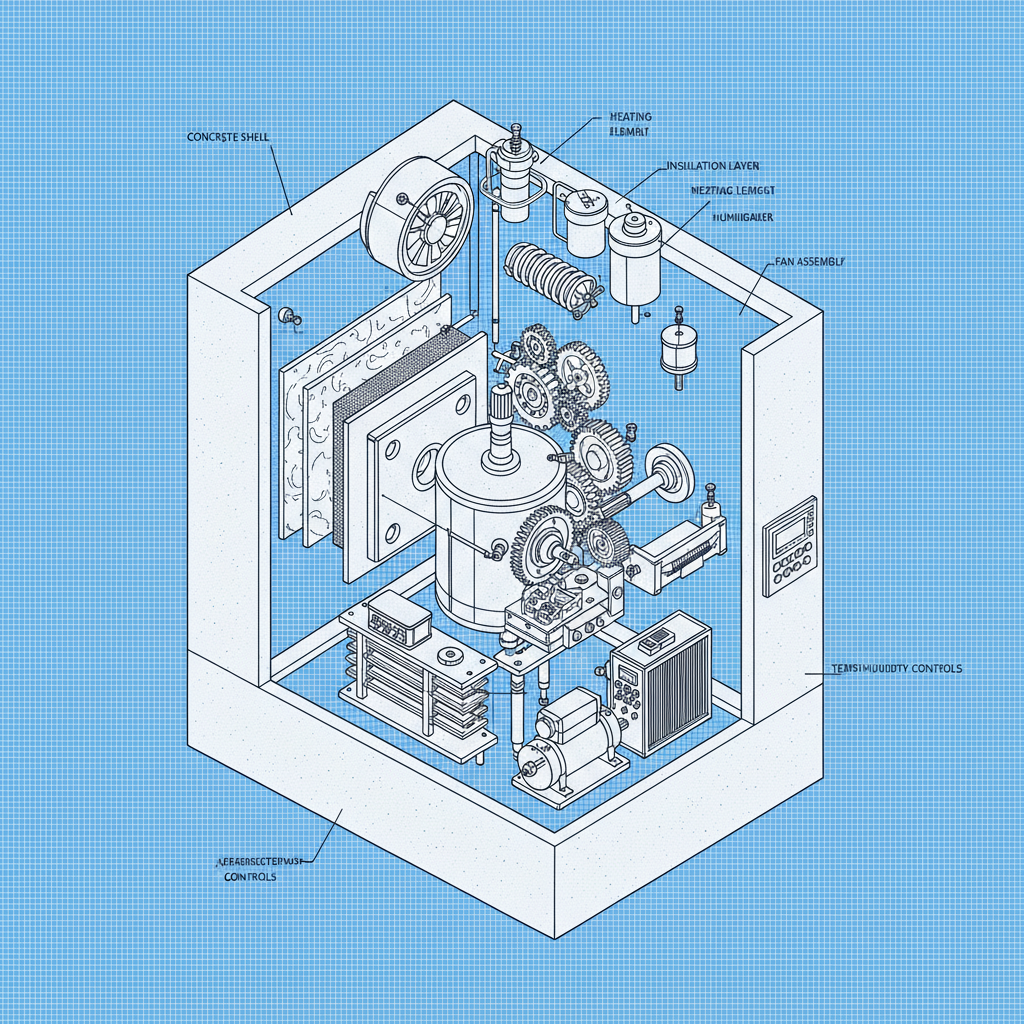
Choosing the right temperature humidity chamber for concrete testing requires considering several key features. Precise temperature and humidity control are essential, as is the chamber's ability to withstand the corrosive environment created by concrete testing. Features like programmable controllers, data logging capabilities, and robust construction are also crucial. CZ Lab Instrument offers chambers designed specifically for concrete testing, incorporating these essential features and ensuring accurate and reliable results.
Choosing the Right Chamber: Considerations and Comparisons
When selecting a temperature humidity chamber for concrete testing, several factors come into play. The size of the samples being tested, the required temperature and humidity ranges, and the level of control needed are all important considerations. Different manufacturers offer chambers with varying features and capabilities, so it's crucial to compare specifications and choose a model that meets your specific needs. Furthermore, consider the chamber’s build quality and materials to ensure it can withstand the corrosive environment associated with concrete testing. Investing in a high-quality chamber from a reputable supplier like CZ Lab Instrument will ensure accurate results and long-term reliability.
Conclusion: Ensuring Concrete Durability with Precise Environmental Control
Investing in a reliable temperature humidity chamber concrete is essential for ensuring the durability and quality of concrete structures.
By accurately simulating real-world environmental conditions, these chambers enable engineers to assess concrete performance, identify potential weaknesses, and optimize formulations. CZ Lab Instrument provides high-quality chambers designed to meet the demanding requirements of concrete testing. Don't compromise on concrete quality - invest in precise environmental control.
Frequently Asked Questions (FAQs)
What types of concrete samples can be tested in these chambers?
These chambers are versatile and can accommodate a wide range of concrete samples, including cast cylinders, beams, slabs, and even core samples extracted from existing structures. The chamber size dictates the maximum sample dimensions, so it's crucial to select a chamber that can accommodate your specific sample requirements. Different testing standards may also dictate specific sample preparation and testing procedures, so always adhere to the relevant standards.
How important is calibration for accurate results?
Calibration is critically important for ensuring the accuracy and reliability of your test results. Temperature and humidity sensors can drift over time, leading to inaccurate readings. Regular calibration, typically annually or more frequently depending on usage, ensures that the chamber is operating within its specified tolerances. CZ Lab Instrument offers calibration services to maintain the accuracy of your equipment. Without proper calibration, your data could be compromised and lead to incorrect conclusions about concrete performance.
What safety features should I look for in a temperature humidity chamber?
Safety is paramount when working with temperature and humidity chambers. Look for features such as over-temperature protection, which automatically shuts off the heating element if it exceeds a safe limit. Humidity control systems should also have safeguards to prevent excessive moisture buildup. The chamber door should have a secure locking mechanism, and the chamber should be properly grounded to prevent electrical hazards. Always follow the manufacturer's safety guidelines and use appropriate personal protective equipment when operating the chamber.


