
Understanding the Slump Cone Apparatus for Concrete Consistency Assessment
Understanding the Slump Cone Apparatus and Its Applications
The Slump Cone Apparatus is a crucial tool in the field of civil engineering, specifically for assessing the consistency of fresh concrete. It’s a relatively simple yet highly effective device used to determine the workability of concrete mixes. This article will delve into the principles behind the apparatus, its applications, proper testing procedures, and what factors influence the results. Understanding the Slump Cone Apparatus and its role is vital for ensuring the quality and reliability of concrete structures. Accurate assessment of concrete workability directly impacts the placement, consolidation, and overall durability of any concrete project.
What is the Slump Cone Apparatus?
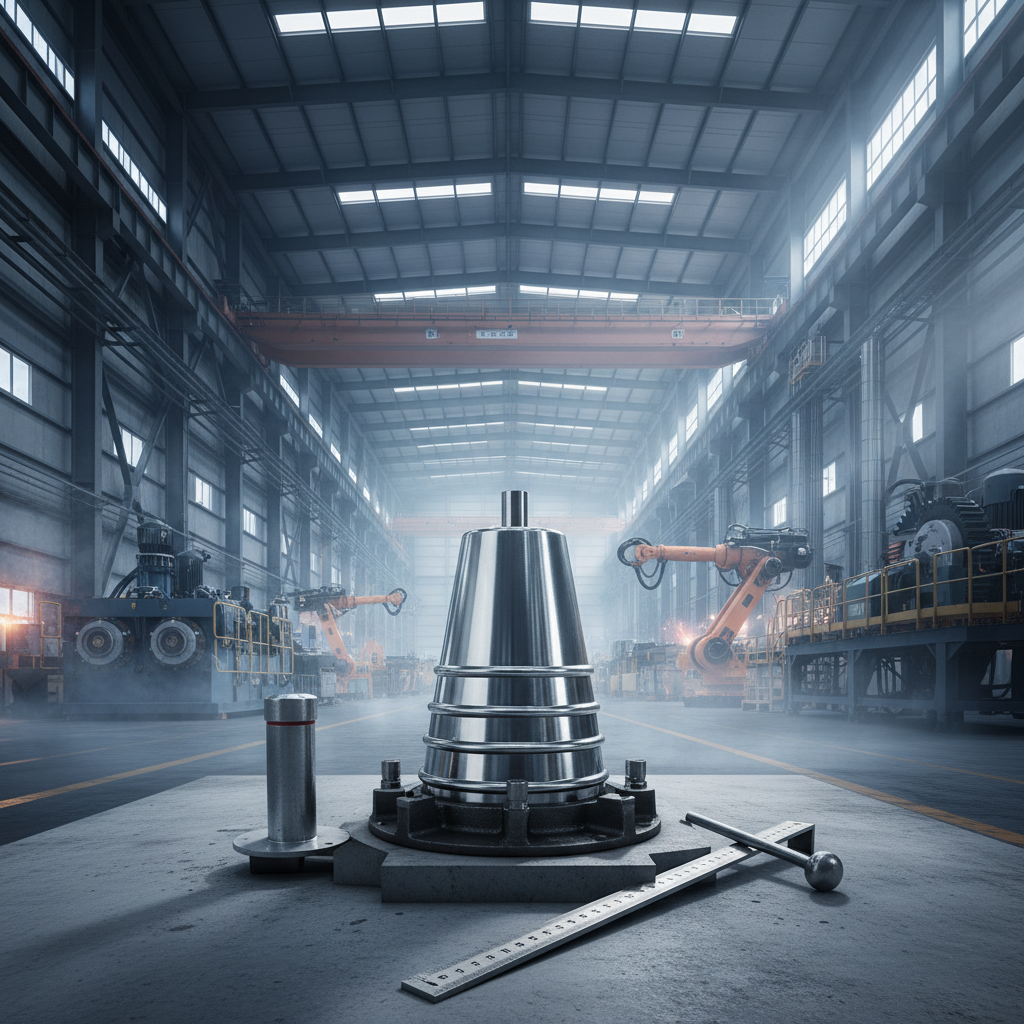
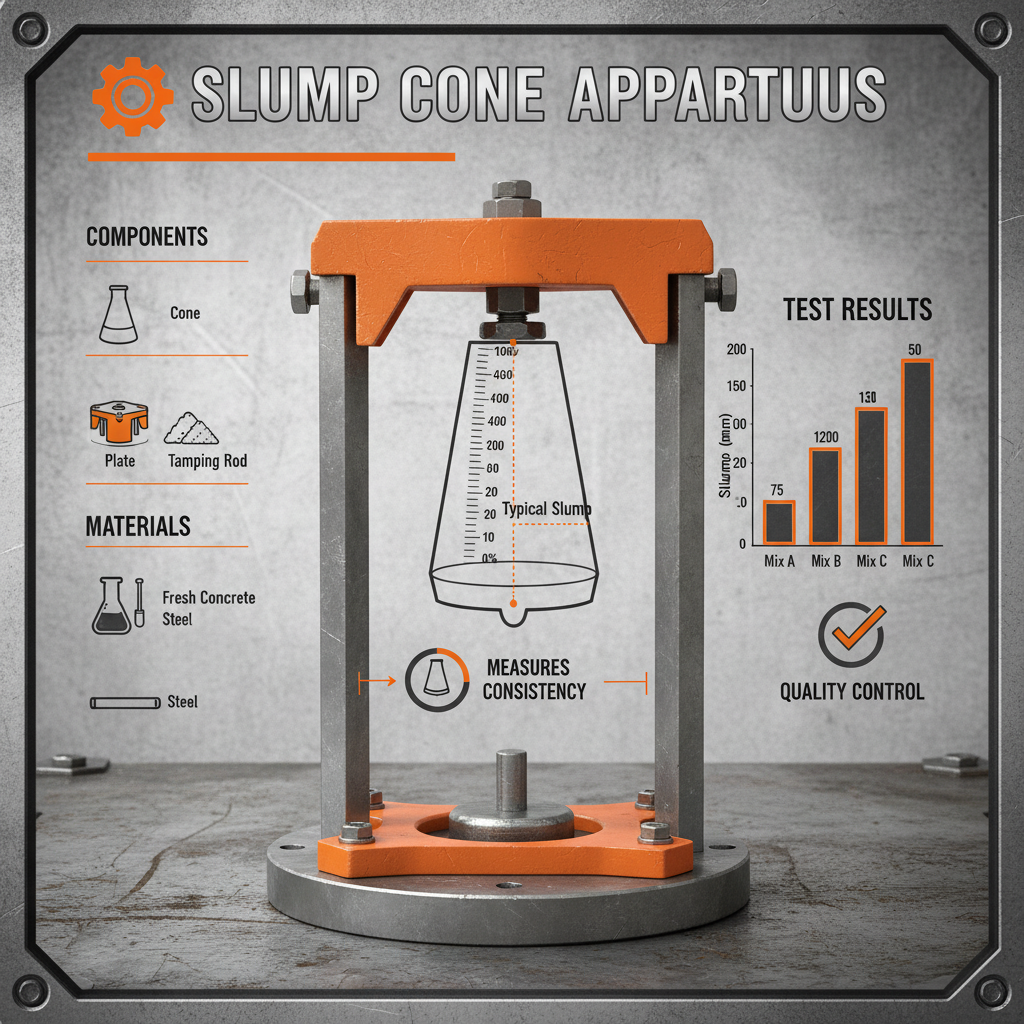
The Slump Cone Apparatus consists of a conical frustum, typically made of stainless steel. The standard dimensions are 8 inches (203 mm) in height, 4 inches (102 mm) in diameter at the top, and 6 inches (152 mm) in diameter at the bottom. Alongside the cone, the apparatus includes a tamping rod, usually 16 inches (406 mm) long and ½ inch (12.7 mm) in diameter. The function of this apparatus is to measure the 'slump' of fresh concrete – the vertical movement of the concrete when the cone is lifted. This measurement provides an indication of the concrete’s consistency, which directly impacts its ability to be placed and compacted effectively. A higher slump indicates a more fluid and workable mix.
Key Components: A conical frustum of specific dimensions and a tamping rod for proper concrete consolidation within the cone.
Applications of the Slump Cone Apparatus
The primary application of the Slump Cone Apparatus is to determine the consistency of fresh concrete before it’s placed. This is critical for various reasons: ensuring proper filling of forms, efficient consolidation around reinforcement, and minimizing voids that could weaken the concrete structure. It's used extensively in construction projects such as building foundations, pavements, bridges, and dams. Regular slump testing helps maintain quality control and verifies that the concrete mix adheres to specified requirements. Moreover, it aids in identifying potential issues with the mix design, like excess water or inadequate cement content.
Benefits of Slump Testing:
• Ensures proper concrete placement and consolidation.
• Maintains quality control in concrete projects.
• Identifies potential issues with the concrete mix design.
• Enhances the durability and strength of concrete structures.
Slump Test Procedure: A Step-by-Step Guide
Performing a slump test requires a standardized procedure to ensure accurate and repeatable results. First, the Slump Cone Apparatus is placed on a firm, level, and non-absorbent surface. The cone is then filled with fresh concrete in three layers, each approximately 1/3 of the cone's volume. After each layer, the concrete is compacted 25 times using the tamping rod, distributing the blows evenly throughout the surface. Once filled to the top, excess concrete is struck off with a straight edge to level the surface. The cone is then carefully lifted vertically, and the slump – the vertical distance the concrete has fallen – is measured to the nearest ¼ inch (6mm). This measurement is then recorded as the slump value.
Factors Influencing Slump Test Results
Several factors can influence the results of the Slump Cone Apparatus test. The water content of the mix is a primary factor – higher water content leads to a higher slump. The type and amount of cement, aggregates, and admixtures also play a role. Aggregate shape and size affect workability. Fine aggregates contribute to a higher slump than coarse aggregates. Admixtures, such as water reducers or superplasticizers, can significantly increase the slump without adding more water. Proper testing technique is also crucial; inconsistent tamping or lifting the cone unevenly can lead to inaccurate results.
Choosing the Right Slump Cone Apparatus from CZLab
When selecting a Slump Cone Apparatus, quality and compliance with industry standards are paramount. At CZLab, we provide apparatuses constructed from durable stainless steel, ensuring long-lasting performance and resistance to corrosion. Our products meet relevant international standards, guaranteeing accurate and reliable test results. We offer a range of options to suit your specific needs, backed by excellent customer support and competitive pricing.
Conclusion: Ensuring Concrete Quality with Reliable Testing
The Slump Cone Apparatus is an indispensable tool for anyone involved in concrete construction. By accurately assessing concrete consistency, it helps ensure the durability, strength, and overall quality of structures. Investing in a reliable apparatus from a reputable supplier like CZLab is a smart choice for any construction professional committed to delivering exceptional results.
Frequently Asked Questions (FAQs)
What slump value indicates a workable concrete mix?
A slump value typically considered workable falls between 2 to 4 inches (50 to 100 mm). However, the ideal slump range depends on the specific application and the type of concrete. For example, heavily reinforced sections or pumping concrete often require higher slump values. A slump of 0-2 inches suggests a very dry, stiff mix, while a slump exceeding 6 inches indicates an overly wet mix that may lead to segregation and reduced strength. It's crucial to adhere to the slump range specified in the project's concrete mix design. Consistent monitoring and adjustment of the mix based on slump test results are essential for achieving optimal concrete performance.
How often should a slump test be performed?
The frequency of slump tests depends on the volume of concrete being poured and the variability of the mix. A good rule of thumb is to perform a slump test at least once every 30 cubic meters (39 cubic yards) of concrete. For smaller pours, one test per batch may suffice. It’s also important to conduct a slump test whenever there’s a change in the concrete mix design, a new batch of materials is used, or if there’s a significant delay in the pouring process. Regular testing helps ensure consistent concrete quality throughout the project.
What are the common errors to avoid during a slump test?
Several common errors can affect the accuracy of a slump test. These include improper filling of the cone (not in layers), inadequate compaction with the tamping rod, lifting the cone unevenly, and inaccurate measurement of the slump. Ensure the cone is placed on a stable surface, the concrete is thoroughly compacted, and the cone is lifted straight up without any twisting or shaking. It's also vital to avoid delays between filling the cone and lifting it, as this can cause the concrete to start flowing before the measurement is taken.
Can the slump test be used for self-compacting concrete (SCC)?
While the traditional slump test isn't directly applicable to self-compacting concrete (SCC), modified tests like the slump flow test and the V-funnel test are used. SCC is designed to flow and consolidate under its own weight without the need for vibration. The slump flow test measures the horizontal spread of the concrete, while the V-funnel test assesses its flowability. These tests provide a more accurate assessment of SCC’s properties compared to the standard slump test, which isn't suitable for measuring the unique characteristics of SCC.


