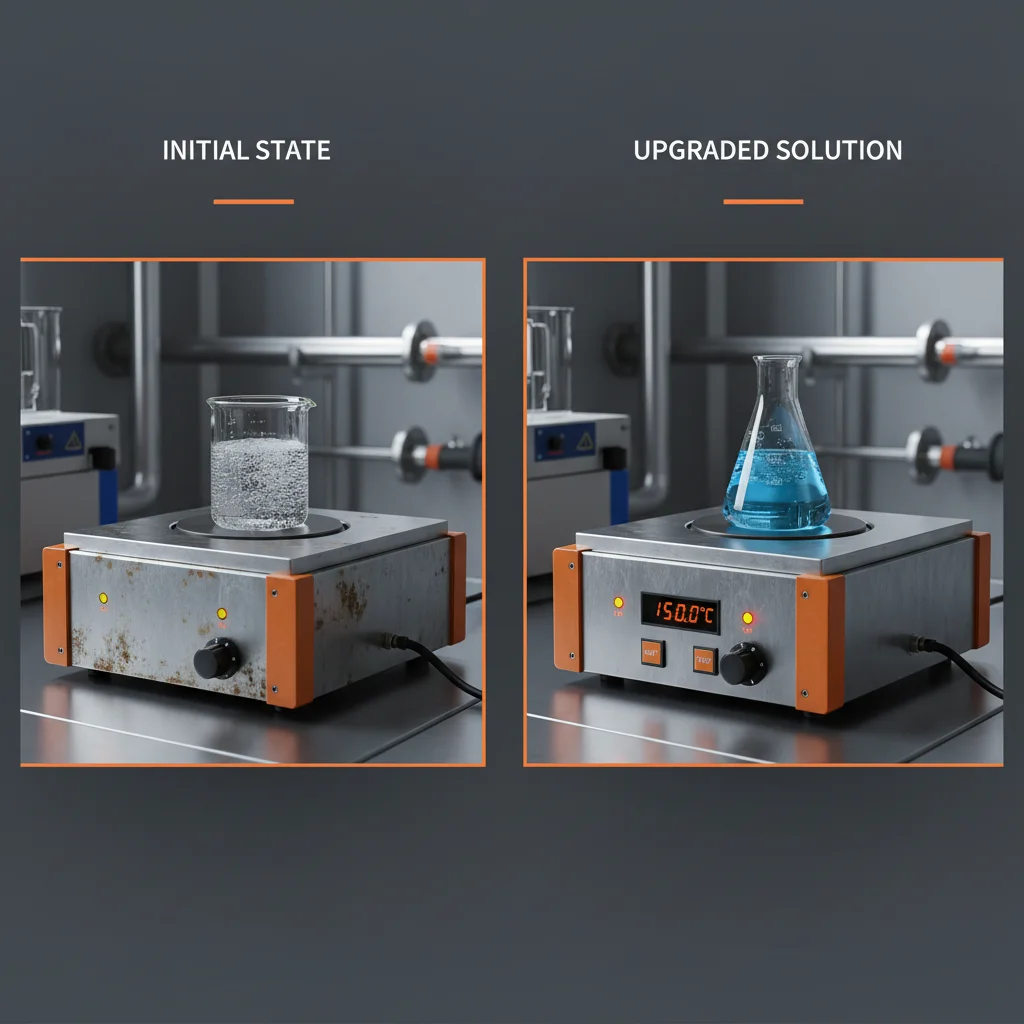
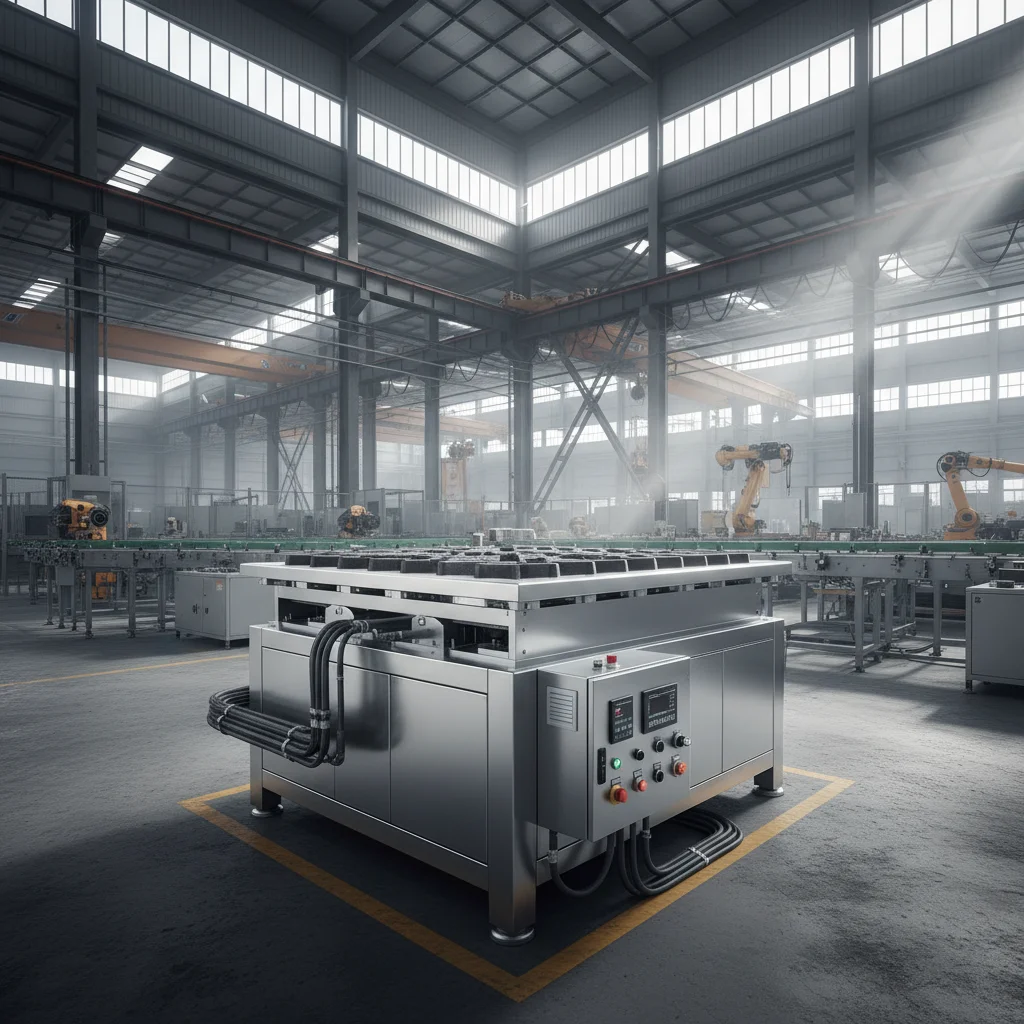
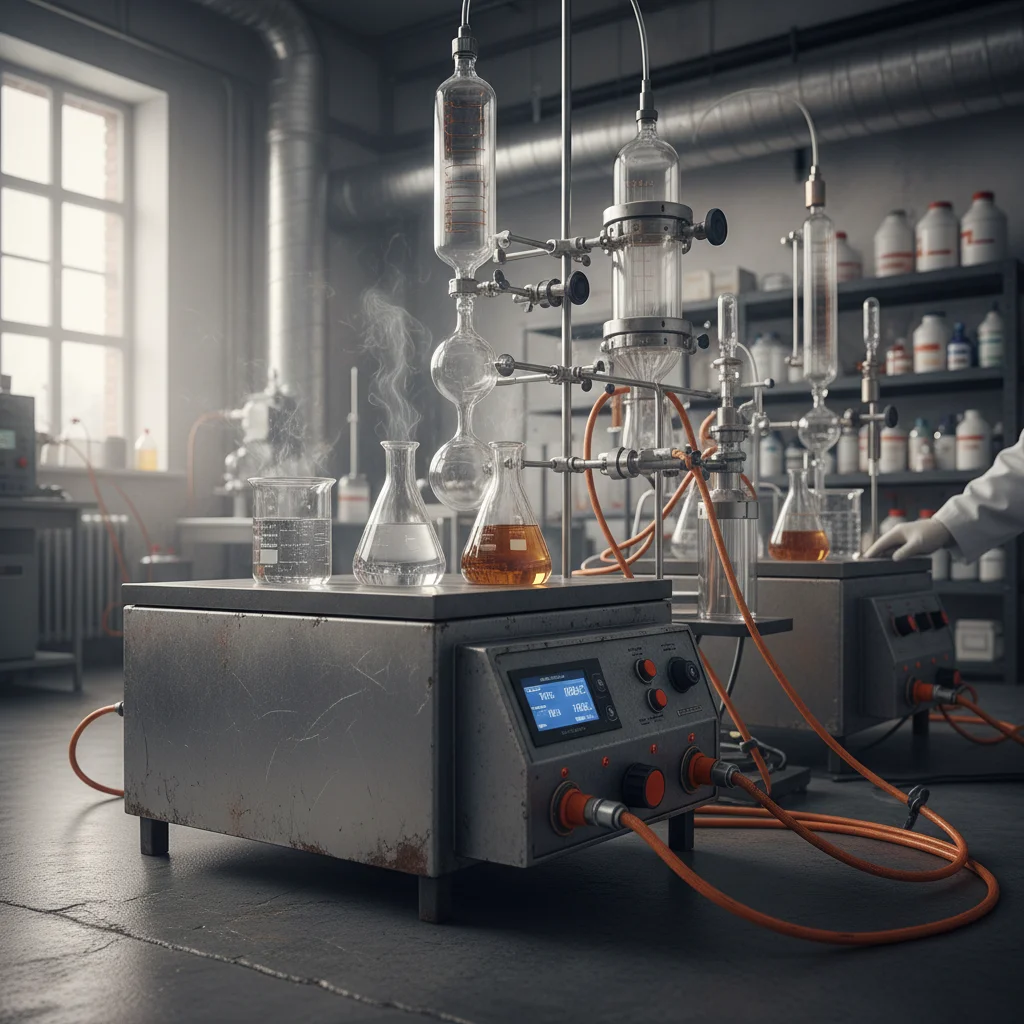
Laboratory heating plates are essential equipment in many scientific disciplines, providing controlled heating for a wide range of applications. From simple warming to precise temperature control for chemical reactions, understanding their features and capabilities is crucial for accurate and safe experimentation. This article provides a detailed overview of laboratory heating plates, covering types, features, applications, and essential considerations when choosing the right model for your needs. Choosing the right heating plate can greatly improve the efficiency and reliability of your lab work. Laboratory heating plates come in various configurations, each suited to different applications. The most common types include: Standard Heating Plates, Magnetic Stirring Hot Plates, Digital Heating Plates, and Ceramic Top Heating Plates. The selection of the appropriate type depends on the specific requirements of your experiments, such as the need for stirring, temperature control precision, and chemical compatibility. Modern laboratory heating plates boast a range of features designed to optimize performance and safety. These include precise temperature control, digital displays for easy monitoring, programmable settings for automated experiments, and robust safety mechanisms like overheat protection.

 26 March 2026
 26 March 2026
 26 March 2026
 26 March 2026
 26 March 2026
 26 March 2026
 25 March 2026
 24 March 2026
 24 March 2026
 24 March 2026
 24 March 2026
 24 March 2026