The Critical Role of the Oven Laboratory in Modern Research
In the realm of scientific exploration and product development, the oven laboratory plays a pivotal role. These specialized environments, equipped with advanced heating and temperature control systems, are essential for a wide range of applications, from material science and pharmaceuticals to food safety and environmental testing. The precision and reliability offered by a well-equipped oven laboratory directly impact the accuracy and validity of research outcomes. Selecting the right equipment, specifically ovens, is paramount for achieving optimal results. We’ll explore the key features, applications, and considerations when setting up and utilizing an oven laboratory for maximum impact.
Understanding the Core Components of an Oven Laboratory
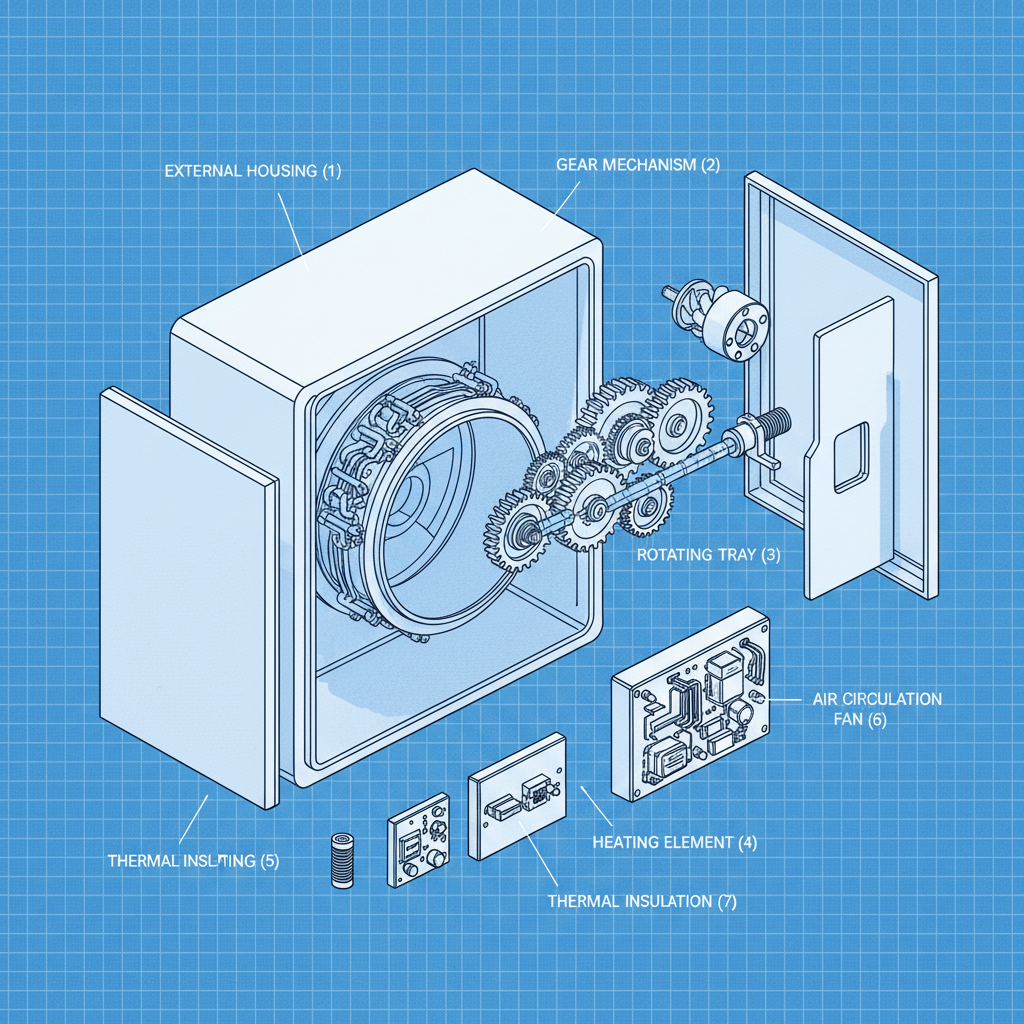
An effective oven laboratory isn't simply a room with an oven. It’s a carefully designed space encompassing several key components. Central, of course, is the oven itself, ranging from standard convection ovens to sophisticated vacuum ovens and muffle furnaces. Beyond the oven, crucial elements include precise temperature controllers, data logging systems for comprehensive monitoring, ventilation systems to ensure operator safety, and appropriate sample handling equipment such as crucibles, trays, and specialized containers. Furthermore, a robust safety protocol, including fire suppression systems and personal protective equipment (PPE), is non-negotiable. These elements work in synergy to guarantee accurate, repeatable, and safe experimentation.
Key Considerations: A successful oven laboratory emphasizes precision, safety, and data integrity. Investing in high-quality equipment and adhering to strict protocols are essential for reliable results.
Applications of Oven Laboratories Across Diverse Industries
The versatility of the oven laboratory allows for its application in a remarkable breadth of industries. In pharmaceuticals, ovens are used for drying formulations, stability testing, and quality control. Material science relies on them for heat treatment, sintering, and analyzing thermal properties. The food industry utilizes ovens for moisture analysis, determining product composition, and conducting shelf-life studies. Environmental testing leverages oven laboratories for analyzing soil and water samples, quantifying volatile organic compounds (VOCs), and assessing pollution levels. Even in forensics, ovens play a role in evidence analysis and material identification. This wide-ranging applicability underscores the importance of well-equipped oven laboratories for scientific progress.
Key Application Areas:
• Pharmaceuticals: Drying, Stability Testing, Quality Control
• Material Science: Heat Treatment, Sintering, Thermal Analysis
• Food Industry: Moisture Analysis, Composition Determination, Shelf-Life Studies
• Environmental Testing: Sample Analysis, VOC Quantification, Pollution Assessment
Oven Laboratory: Types of Ovens and Their Specific Uses
Selecting the appropriate oven is critical. Several types are available, each designed for specific applications. Convection ovens utilize fans to circulate heated air, providing uniform temperature distribution, ideal for general drying and heating processes. Vacuum ovens, by removing air, lower the boiling point of liquids, enabling drying at lower temperatures, preserving delicate samples. Muffle furnaces reach extremely high temperatures, crucial for ashing organic materials and calcination. Drying ovens are designed for routine moisture determination. Finally, Incubators provide precise temperature control for biological and microbiological applications. Choosing the correct oven hinges on the specific requirements of your experiments.
Ensuring Safety and Compliance in the Oven Laboratory
Safety is paramount when operating an oven laboratory. Proper ventilation is essential to remove potentially harmful fumes and vapors. Personnel must wear appropriate PPE, including heat-resistant gloves, safety glasses, and lab coats. Regular maintenance and calibration of ovens are crucial for ensuring accurate temperature control and preventing malfunctions. Strict adherence to standard operating procedures (SOPs) and comprehensive training for all users are non-negotiable. Furthermore, the laboratory should be equipped with fire suppression systems and emergency shutdown procedures. Compliance with relevant safety regulations and industry standards is vital for protecting personnel and ensuring the integrity of research results. CZ Lab Instrument provides solutions designed with safety in mind.
Future Trends and Innovations in Oven Laboratory Technology
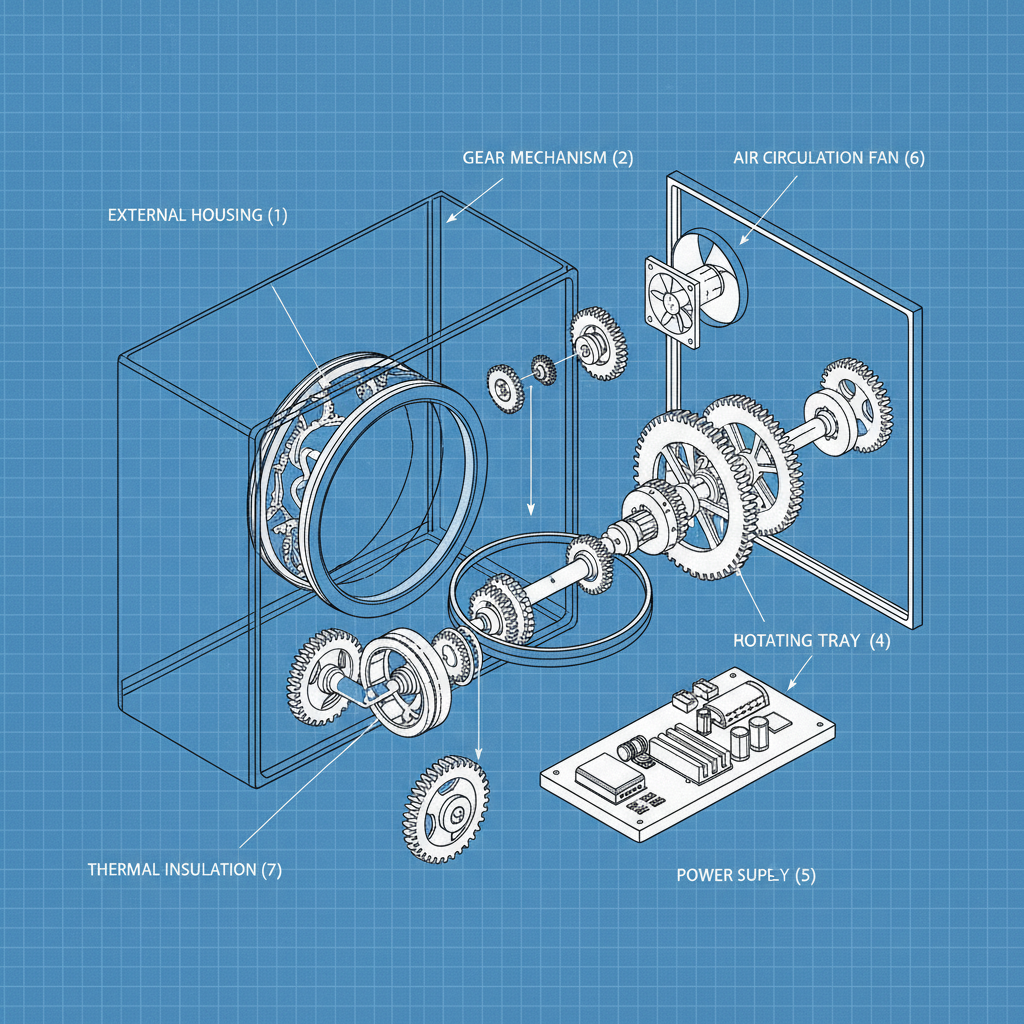
The field of oven laboratory technology is continually evolving. Current trends include the development of more energy-efficient ovens, incorporating advanced control systems for precise temperature ramping and profiling, and integrating automation for high-throughput sample processing. Furthermore, smart ovens with remote monitoring and data analysis capabilities are gaining popularity, allowing researchers to track experiments and collect data remotely. The integration of artificial intelligence (AI) for predictive maintenance and process optimization holds significant promise for the future. These innovations are driving improvements in efficiency, accuracy, and safety within the oven laboratory environment.
Conclusion: The Oven Laboratory – A Cornerstone of Scientific Advancement
The oven laboratory remains an indispensable component of modern scientific research and industrial processes. By understanding its core components, diverse applications, and safety considerations, researchers and professionals can unlock its full potential and drive innovation across a multitude of disciplines. Investing in high-quality equipment and embracing emerging technologies will ensure that the oven laboratory continues to play a vital role in shaping the future of science and technology.
Frequently Asked Questions (FAQs)
What is the recommended ventilation for an oven laboratory?
Adequate ventilation is crucial for removing potentially hazardous fumes and vapors generated during oven operations. A dedicated fume hood should be used for processes that release volatile substances. The laboratory should also have a general ventilation system that provides several air changes per hour to ensure a safe and healthy working environment. Regular monitoring of air quality is recommended to verify the effectiveness of the ventilation system. Local regulations and safety guidelines should be consulted to determine the specific ventilation requirements for your oven laboratory.
How often should ovens be calibrated?
Ovens should be calibrated at least annually, or more frequently if they are used for critical applications or subjected to heavy use. Calibration ensures that the oven is maintaining accurate temperatures, which is essential for obtaining reliable results. Calibration should be performed by a qualified technician using certified standards. Records of calibration should be maintained for traceability and quality control purposes.
What types of samples are typically processed in a vacuum oven?
Vacuum ovens are ideally suited for processing samples that are heat-sensitive or prone to oxidation. Common applications include drying pharmaceutical ingredients, removing solvents from delicate materials, degassing polymers, and preparing samples for microscopy. The reduced pressure allows for lower drying temperatures, preventing degradation of the sample. They are also utilized in the aerospace industry for removing trapped gases from composite materials.
What safety features are essential in an oven laboratory?
Essential safety features include a properly functioning ventilation system, fire suppression systems (e.g., sprinklers, fire extinguishers), clearly labeled emergency shut-off switches, appropriate personal protective equipment (PPE) such as heat-resistant gloves and safety glasses, and clear safety protocols and training for all personnel. Regular inspections and maintenance of all safety equipment are also crucial.