
Understanding Air Drying Ovens: A Comprehensive Guide
Air drying ovens are essential pieces of equipment in various industries, including pharmaceuticals, food processing, chemical research, and materials science. These ovens utilize controlled temperatures and airflow to remove moisture from materials, preserving their quality and extending their shelf life. Choosing the right air drying oven is crucial for achieving optimal results. This article will delve into the principles of operation, applications, key features, and selection criteria for air drying ovens, providing a thorough overview for researchers and industry professionals.
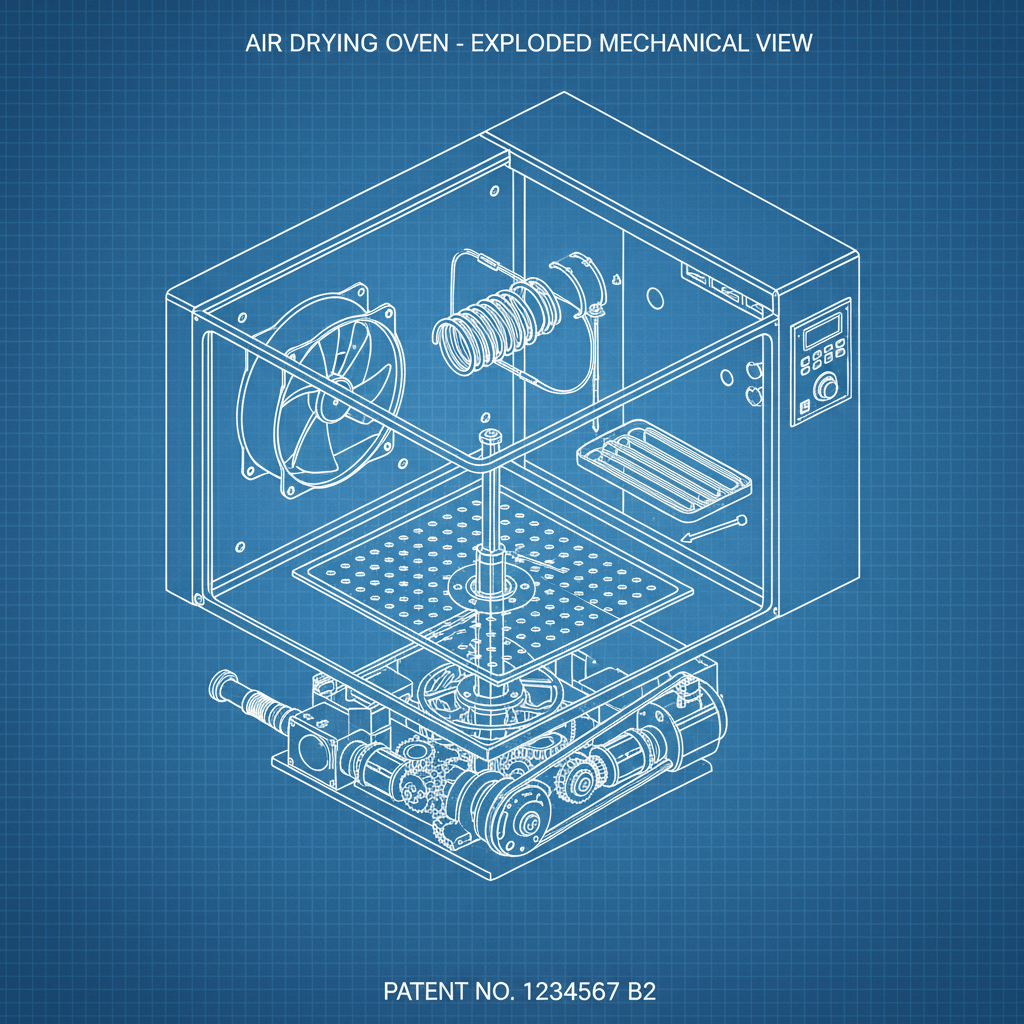
How Do Air Drying Ovens Work?
Air drying ovens operate on the principle of convection. A heating element generates heat, and a fan circulates warm air throughout the chamber. This airflow carries moisture away from the material being dried, accelerating the evaporation process. The temperature and airflow are precisely controlled to ensure even drying and prevent damage to the sample. Modern air drying ovens often incorporate programmable controllers, allowing for customized drying profiles with varying temperatures and durations. Proper ventilation is also critical, as it removes the humid air from the oven, creating space for further moisture evaporation. CZLab Instrument offers a variety of air drying ovens designed for optimal performance and reliability.
Key Principle: Convection – the transfer of heat through the movement of fluids (in this case, air). This process effectively removes moisture from the sample, leading to a dried product.
Applications of Air Drying Ovens
Air drying ovens have a broad spectrum of applications across diverse industries. In the pharmaceutical industry, they're used to dry granules, powders, and coatings. The food processing sector utilizes them for drying fruits, vegetables, herbs, and spices. Chemical laboratories employ air drying ovens for drying precipitates, solvents, and glassware. Materials science applications include drying polymers, ceramics, and composite materials. They are also used in the electronics industry for drying printed circuit boards (PCBs) after washing. The versatility and controlled drying capabilities make them an indispensable tool in numerous scientific and industrial processes.
Application Areas:
• Pharmaceuticals: Drying of granules, powders, and coatings.
• Food Processing: Drying fruits, vegetables, and spices.
• Chemical Labs: Drying precipitates and glassware.
• Materials Science: Drying polymers and ceramics.
Key Features to Consider When Selecting an Air Drying Oven
When choosing an air drying oven, several key features should be considered. Temperature range and accuracy are critical, depending on the specific application. Precise temperature control ensures consistent drying results. Forced convection systems provide more uniform drying compared to natural convection. Programmable controllers allow for automated drying cycles and customized profiles. Chamber size and material (typically stainless steel) should be chosen based on the sample volume and compatibility with the materials being dried. Consider also features like digital displays, over-temperature protection, and easy-to-clean interiors. CZLab Instrument's ovens are designed with these features in mind, offering reliable and efficient drying solutions.
Air Drying Oven vs. Vacuum Drying Oven: A Comparison
While both air drying ovens and vacuum drying ovens remove moisture from materials, they operate on different principles. Air drying ovens rely on convection and heated air, whereas vacuum drying ovens reduce the boiling point of liquids by lowering the pressure. This allows for drying at lower temperatures, which is crucial for heat-sensitive materials. Vacuum drying ovens are also more efficient for removing moisture from porous materials. The choice between the two depends on the nature of the sample and the desired drying process.
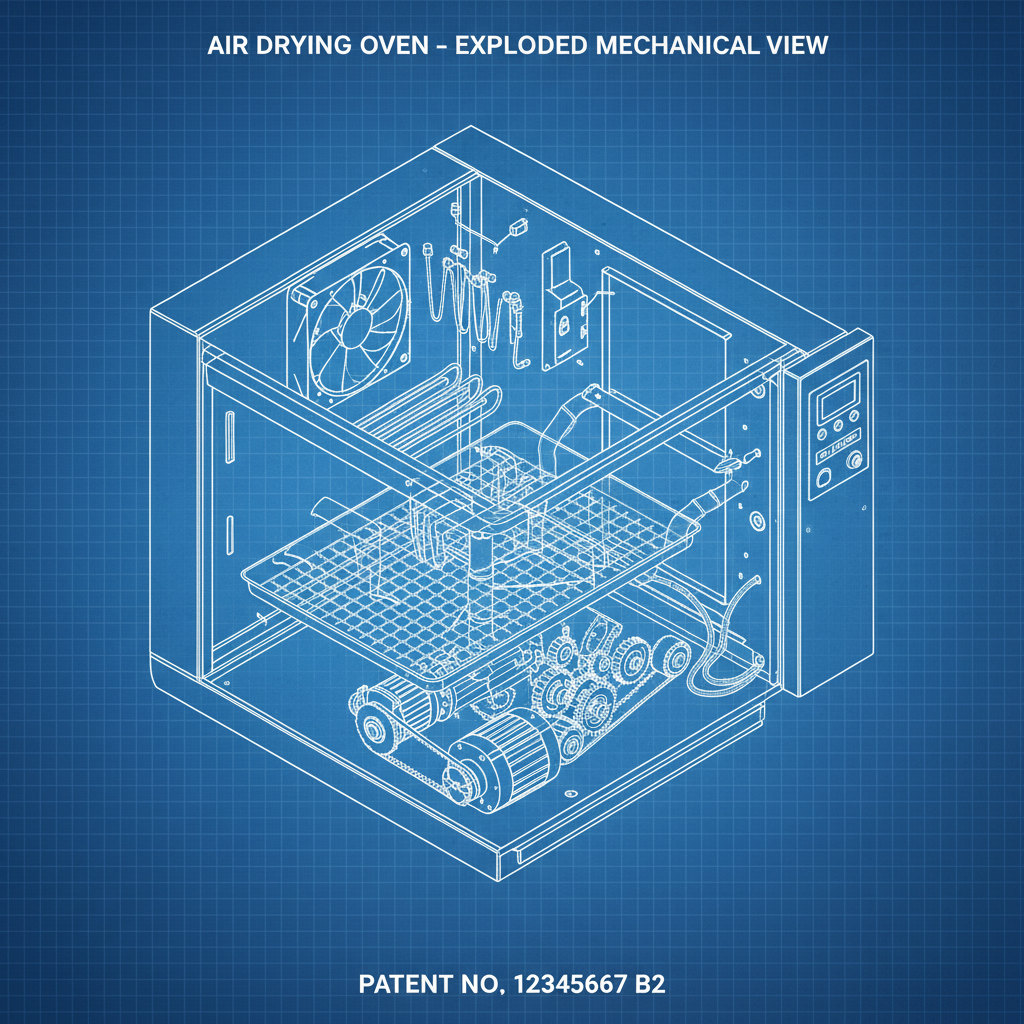
Product Specifications: CZLab Instrument Air Drying Ovens
CZLab Instrument offers a range of air drying ovens with varying capacities and features. Here's a sample specification table:
Conclusion: Choosing the Right Air Drying Oven
Selecting the right air drying oven is essential for achieving reliable and reproducible results. Consider the application, sample characteristics, and desired features when making your decision. CZLab Instrument offers a wide range of ovens to meet diverse needs, combining quality, performance, and affordability. Investing in a well-suited oven will streamline your processes and ensure the integrity of your valuable materials.
Frequently Asked Questions (FAQs)
What factors influence the drying time in an air drying oven?
Several factors affect drying time, including the initial moisture content of the material, the temperature of the oven, the airflow rate, the sample's surface area, and the material's porosity. Higher temperatures generally reduce drying time, but careful consideration is needed to avoid damaging the sample. Increased airflow enhances evaporation, and a larger surface area exposes more material to the drying process. Porous materials dry more slowly due to the internal resistance to moisture diffusion.
How do I ensure uniform drying of my samples?
Uniform drying requires even heat distribution and airflow. Ensure the samples are arranged in a single layer, with sufficient space between them to allow for air circulation. Use forced convection ovens to ensure consistent airflow throughout the chamber. Avoid overcrowding the oven, as this can impede air circulation and lead to uneven drying. Periodically rotate the samples to ensure all sides are exposed to the heated air.
What safety precautions should I take when using an air drying oven?
Always wear appropriate personal protective equipment (PPE), such as heat-resistant gloves and eye protection, when handling hot samples. Avoid placing flammable materials inside the oven. Ensure the oven is properly ventilated to prevent the buildup of hazardous fumes. Never exceed the oven's maximum temperature rating. Regularly inspect the oven for any signs of damage or malfunction.
What materials are commonly used to construct air drying oven chambers?
Stainless steel is the most common material for constructing air drying oven chambers due to its corrosion resistance, durability, and ease of cleaning. Other materials, such as aluminum, are sometimes used for specific applications. The chamber material must be compatible with the materials being dried and able to withstand the operating temperatures.
Related Posts
-
Advancements in Road Infrastructure with Digital Marshall Stability Test Apparatus
-
Comprehensive Guide to the California Bearing Ratio Test Apparatus and Its Applications
-
Understanding Marshall Stability Tester Applications and Road Material Durability
-
Advancements in Road Infrastructure with Digital Automatic Marshall Compactor