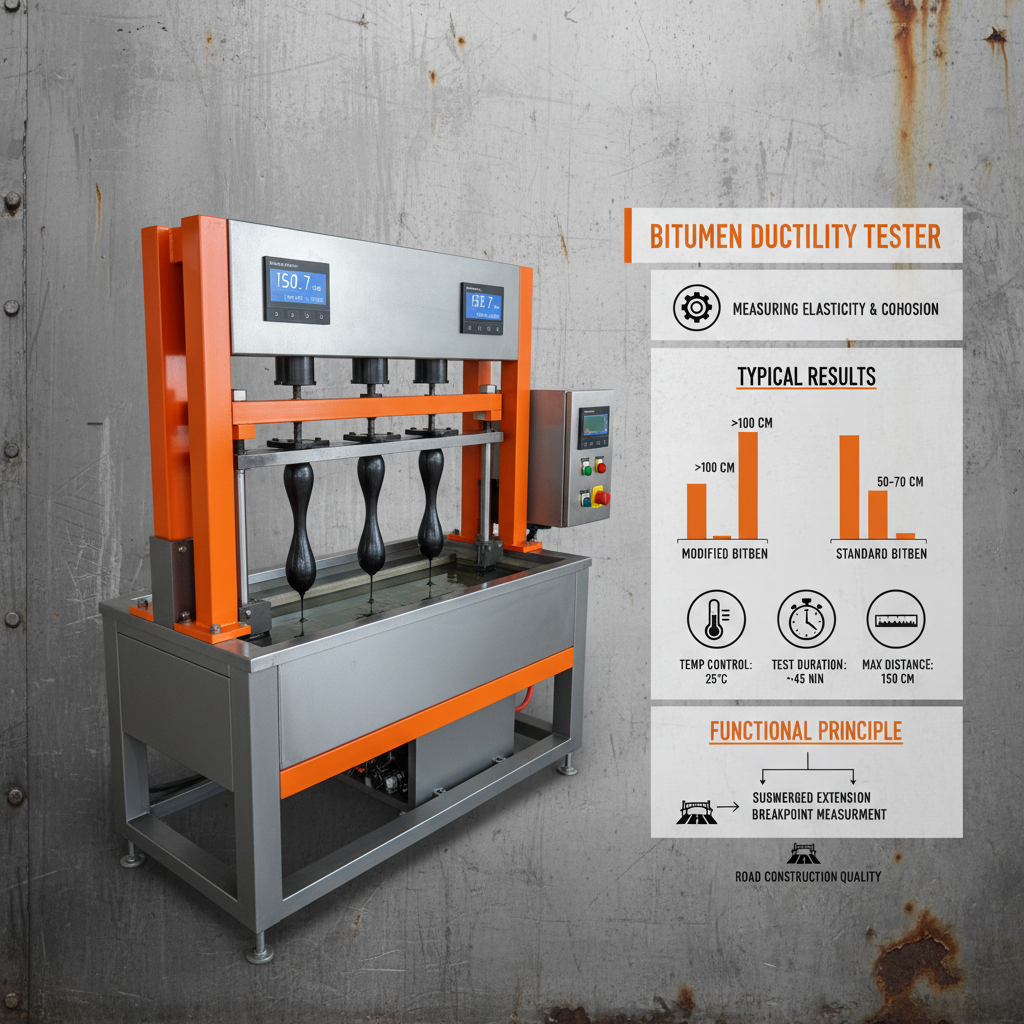
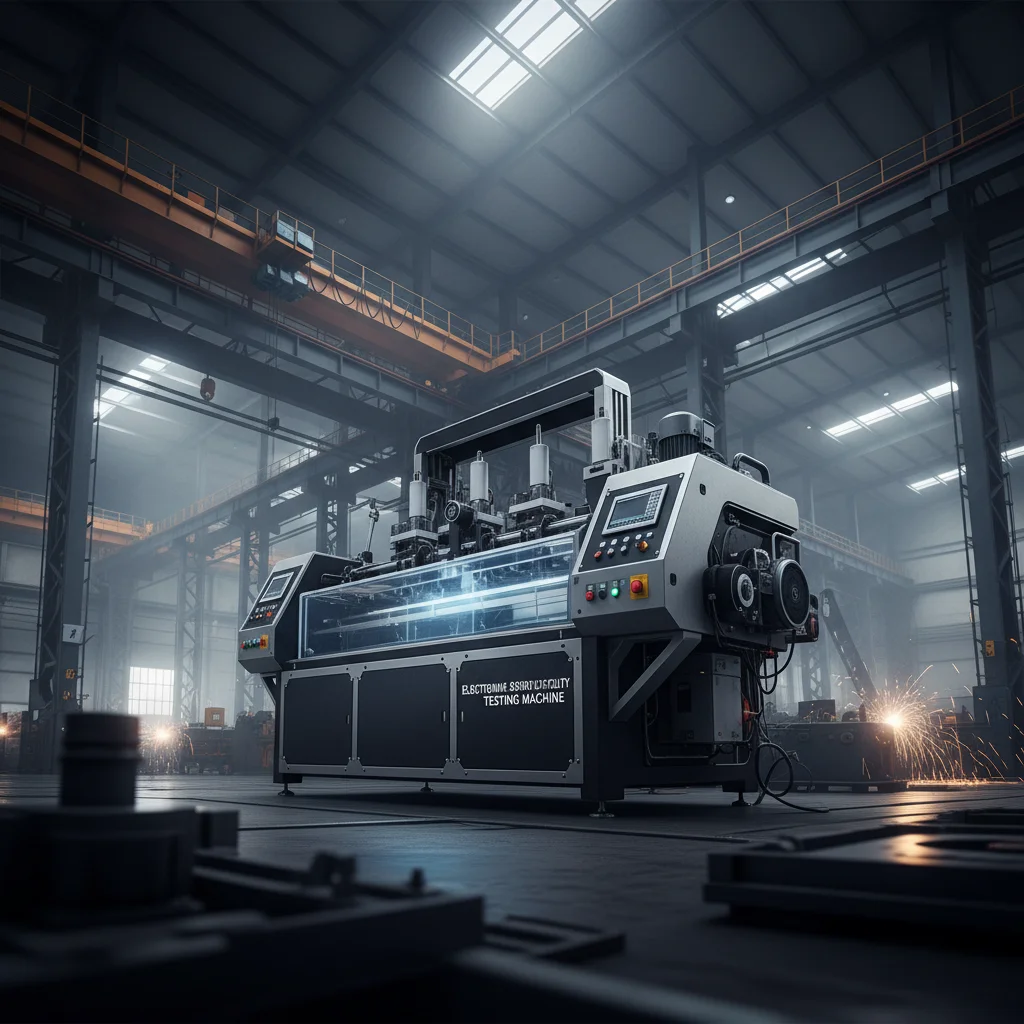
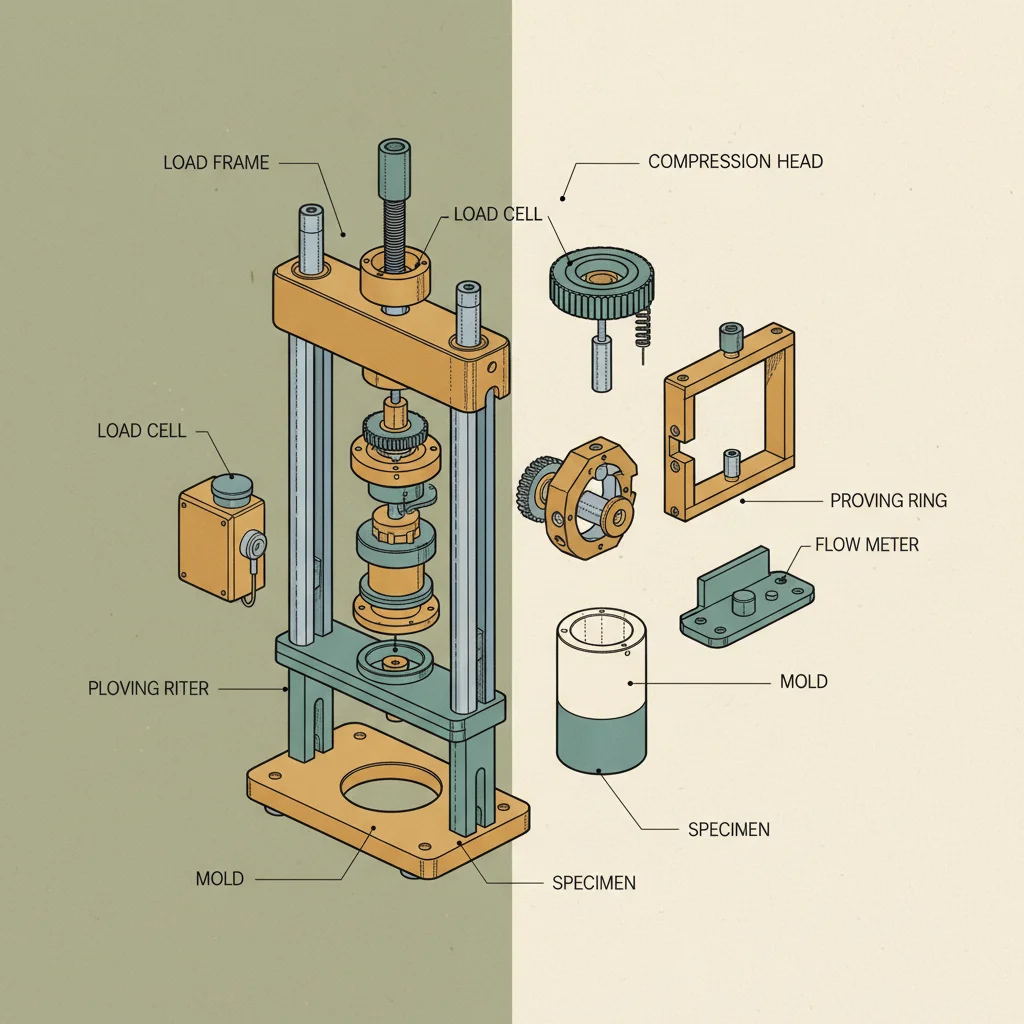
The integrity of global transportation infrastructure relies heavily on the quality of binding materials, and the Bitumen Ductility Testing Machine stands as a cornerstone in ensuring road longevity. By measuring the distance to which a bitumen sample can be stretched before breaking, engineers can predict how pavements will behave under varying temperature loads and traffic stresses, preventing premature cracking and potholes.
In the context of modern civil engineering, understanding the viscoelastic properties of asphalt is not merely a technical requirement but a safety imperative. A high-performance Bitumen Ductility Testing Machine allows laboratories to verify that the bitumen used in road construction meets strict international standards, ensuring that highways can withstand both extreme summer heat and freezing winter conditions.
Beyond basic quality control, the adoption of precise ductility testing supports the global shift toward sustainable infrastructure. By optimizing the bitumen grade through rigorous testing, construction firms can reduce material waste and extend the maintenance cycles of road networks, directly contributing to lower carbon footprints and more efficient resource management across the globe.
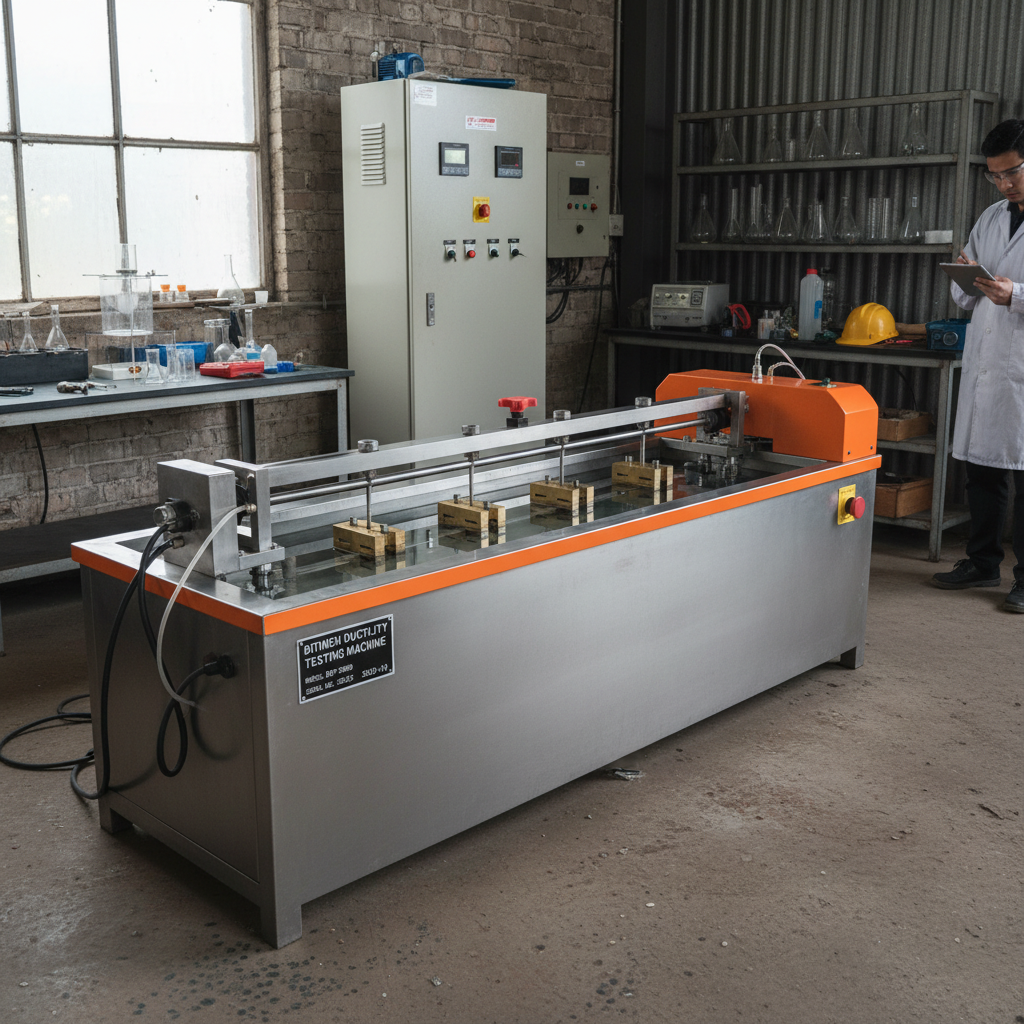
Global Industry Context of Bitumen Ductility Testing
On a global scale, the demand for high-quality road infrastructure has surged as emerging economies expand their logistics networks. According to standards set by organizations like ASTM and EN, the consistency of bitumen is non-negotiable for road safety. The Bitumen Ductility Testing Machine provides the empirical data necessary to ensure that asphalt binders do not become too brittle in cold climates or too soft in tropical heat.
However, the industry faces a significant challenge: the variability of raw bitumen sources. With different crude oil origins producing binders with wildly different chemical compositions, the reliance on a standardized Bitumen Ductility Testing Machine is the only way to normalize quality across international borders and ensure that a highway in Southeast Asia is as durable as one in Northern Europe.
Defining the Bitumen Ductility Testing Machine
At its core, a Bitumen Ductility Testing Machine is a precision instrument designed to measure the "ductility" of a bitumen sample—which is defined as the distance in centimeters to which a standard briquette of bitumen can be stretched before it breaks, while immersed in a water bath at a specific temperature.
This process is vital because it simulates the stretching forces that occur during the loading and unloading of heavy vehicles on a road surface. If the bitumen lacks sufficient ductility, it will crack under tension, leading to rapid road degradation. Therefore, the machine acts as a predictive tool for the longevity of the asphalt pavement.
In today's industrial landscape, this equipment is not just a lab tool but a safeguard for humanitarian and economic stability. Reliable roads facilitate the transport of food, medical supplies, and trade. By utilizing a calibrated Bitumen Ductility Testing Machine, governments can ensure that their infrastructure investments are sustainable and safe for the public.
Core Components and Technical Factors
The precision of a Bitumen Ductility Testing Machine depends heavily on its thermal stability. The water bath must maintain a constant temperature (typically 25°C) with minimal fluctuation, as even a one-degree variance can significantly alter the viscosity and ductility results of the bitumen sample.
Another critical factor is the constant speed of the stretching mechanism. A high-quality Bitumen Ductility Testing Machine employs a precision motor and lead screw assembly to ensure the sample is pulled at exactly 50mm per minute, adhering to ISO and ASTM guidelines to prevent artificial shearing of the material.
Finally, the material construction of the grips and the sample molds must be corrosion-resistant. Since the Bitumen Ductility Testing Machine operates in a submerged aqueous environment, using high-grade stainless steel prevents oxidation from contaminating the sample, ensuring that the recorded ductility is a result of the material's properties, not external impurities.
Practical Applications and Use Cases
The Bitumen Ductility Testing Machine is used extensively in refinery quality control labs to certify the grade of bitumen before it leaves the plant. For instance, in regions with extreme temperature swings, refineries use this machine to blend different bitumen types to achieve a specific ductility range that matches the local climate.
In the field of road construction, government auditing agencies employ these machines to perform "acceptance testing" on delivered materials. In post-disaster relief operations, where temporary roads must be laid quickly but securely to allow aid trucks to pass, rapid ductility testing ensures that the chosen binder won't fail under the sudden increase in heavy axle loads.
Performance Comparison of Bitumen Testing Methods
Long-Term Value and Operational Advantages
Investing in a high-precision Bitumen Ductility Testing Machine offers immense logical and financial value. By accurately predicting material failure, engineers can avoid the astronomical costs associated with premature road failure. A road that lasts 20 years instead of 10 due to better bitumen selection represents a 50% reduction in long-term infrastructure spending.
Beyond the balance sheet, there is a profound safety and trust angle. When a Bitumen Ductility Testing Machine is used to verify materials, it ensures that the pavement will not develop sudden deep cracks that could lead to vehicle accidents. This reliability fosters public trust in government infrastructure and ensures the dignity of safe travel for all citizens.
Future Trends in Bitumen Analysis
The future of the Bitumen Ductility Testing Machine is moving toward complete digitalization. We are seeing the integration of laser-based displacement sensors that remove human error from the measurement of the breaking point, providing results with micron-level accuracy that are automatically logged into cloud-based quality management systems.
Sustainability is also driving innovation. New "Green Bitumen" modifiers, such as recycled plastics and bio-binders, are being introduced to the market. These materials behave differently than traditional petroleum-based bitumen, requiring a Bitumen Ductility Testing Machine with programmable temperature profiles to test a wider range of thermal sensitivities.
Furthermore, the trend toward "Smart Infrastructure" means that ductility data from the lab is now being fed into AI models. These models use the data produced by the Bitumen Ductility Testing Machine to simulate decades of road wear in a matter of seconds, allowing for the design of custom-tailored asphalt mixes for specific geographic coordinates.
Overcoming Challenges in Ductility Testing
One of the most common limitations in current practice is the "human factor" during sample preparation. If the bitumen briquette is not cast perfectly or contains air bubbles, the Bitumen Ductility Testing Machine will report a lower ductility than the material actually possesses. The solution lies in adopting vacuum-degassing molds before placing the sample in the machine.
Another challenge is the time-consuming nature of the water bath stabilization. To overcome this, modern Bitumen Ductility Testing Machine units are now incorporating rapid-heating elements and PID controllers that reach the target temperature in a fraction of the time, increasing lab throughput without sacrificing accuracy.
Finally, the interpretation of "breaking point" can sometimes be subjective. By integrating high-speed cameras and automated image analysis into the Bitumen Ductility Testing Machine setup, labs can objectively determine the exact moment of failure, eliminating disputes between contractors and inspectors.
Technical Analysis of Bitumen Ductility Testing Parameters
| Testing Parameter |
Industry Standard (ASTM/ISO) |
Critical Impact |
Optimal Machine Setting |
| Pulling Speed |
50 mm/min |
Strain Rate Accuracy |
Digital Servo Control |
| Bath Temperature |
25°C ± 0.5°C |
Viscosity Control |
PID Thermal Regulator |
| Sample Dimensions |
1mm x 4mm x 100mm |
Cross-sectional Stress |
Precision Casting Mold |
| Immersion Time |
90 Minutes |
Thermal Equilibrium |
Automated Timer Alert |
| Breaking Distance |
Variable (cm) |
Elasticity Measure |
Digital Linear Scale |
| Water Purity |
Distilled Water |
Contamination Prevention |
Stainless Steel Tank |
FAQS
While a viscosity tester measures a material's resistance to flow, the Bitumen Ductility Testing Machine measures the material's ability to undergo plastic deformation under tension without breaking. Viscosity tells you how the bitumen pours; ductility tells you how the finished road will stretch and resist cracking.
Bitumen is highly thermosensitive. A small increase in temperature significantly reduces its viscosity, making it appear more ductile than it actually is. To ensure the Bitumen Ductility Testing Machine provides an accurate "grade" of the material, the temperature must be held strictly to the standard (usually 25°C) to ensure repeatability across different labs.
Yes, it is essential for modified binders (such as polymer-modified bitumen). These modifiers are added specifically to increase ductility and elasticity. Using the machine allows engineers to verify if the polymer additive has successfully improved the binder's performance compared to neat bitumen.
Depending on the grade and the regional climate, acceptable values usually range from 5 cm to over 100 cm. A very low value indicates brittleness (risk of cold-weather cracking), while an excessively high value might indicate a binder that is too soft (risk of rutting in summer heat).
To comply with ISO and ASTM standards, it is recommended to calibrate the machine annually. Calibration focuses on two areas: the temperature accuracy of the water bath and the pulling speed of the motor, ensuring that the results remain legally and technically defensible.
Modern digital Bitumen Ductility Testing Machines are very user-friendly. Once the sample is cast and the bath reaches temperature, the process is largely automated. However, the most critical skill is the careful placement of the sample in the grips to avoid "necking" or premature failure at the grip point.
Conclusion
The Bitumen Ductility Testing Machine is far more than a simple laboratory instrument; it is an essential guardian of infrastructure quality. By providing precise data on the stretching capacity of asphalt binders, it enables the construction of roads that are safer, more durable, and more cost-effective. From the control of temperature to the precision of the pulling mechanism, every technical detail of this machine contributes to the stability of the global transport network.
As we move toward an era of sustainable construction and smart cities, the role of the Bitumen Ductility Testing Machine will only grow in importance. Integrating automated measurements and AI-driven analysis will further refine our ability to create roads that withstand the challenges of climate change and increasing traffic loads. For any organization committed to engineering excellence, investing in high-precision testing equipment is the first step toward a more resilient future. Visit our website: www.czlabinstrument.com