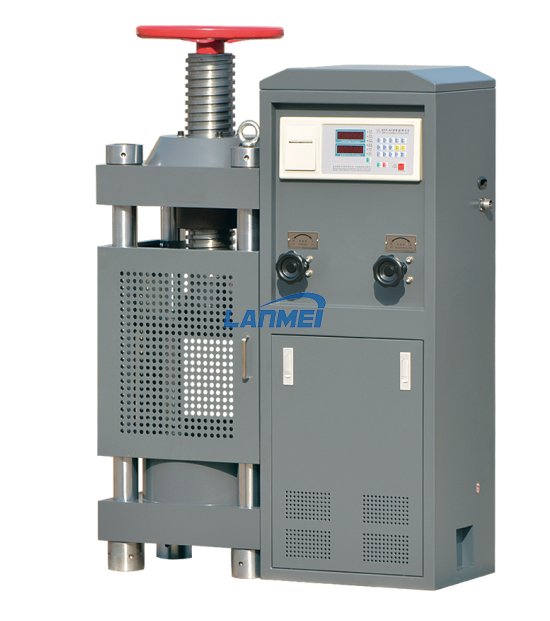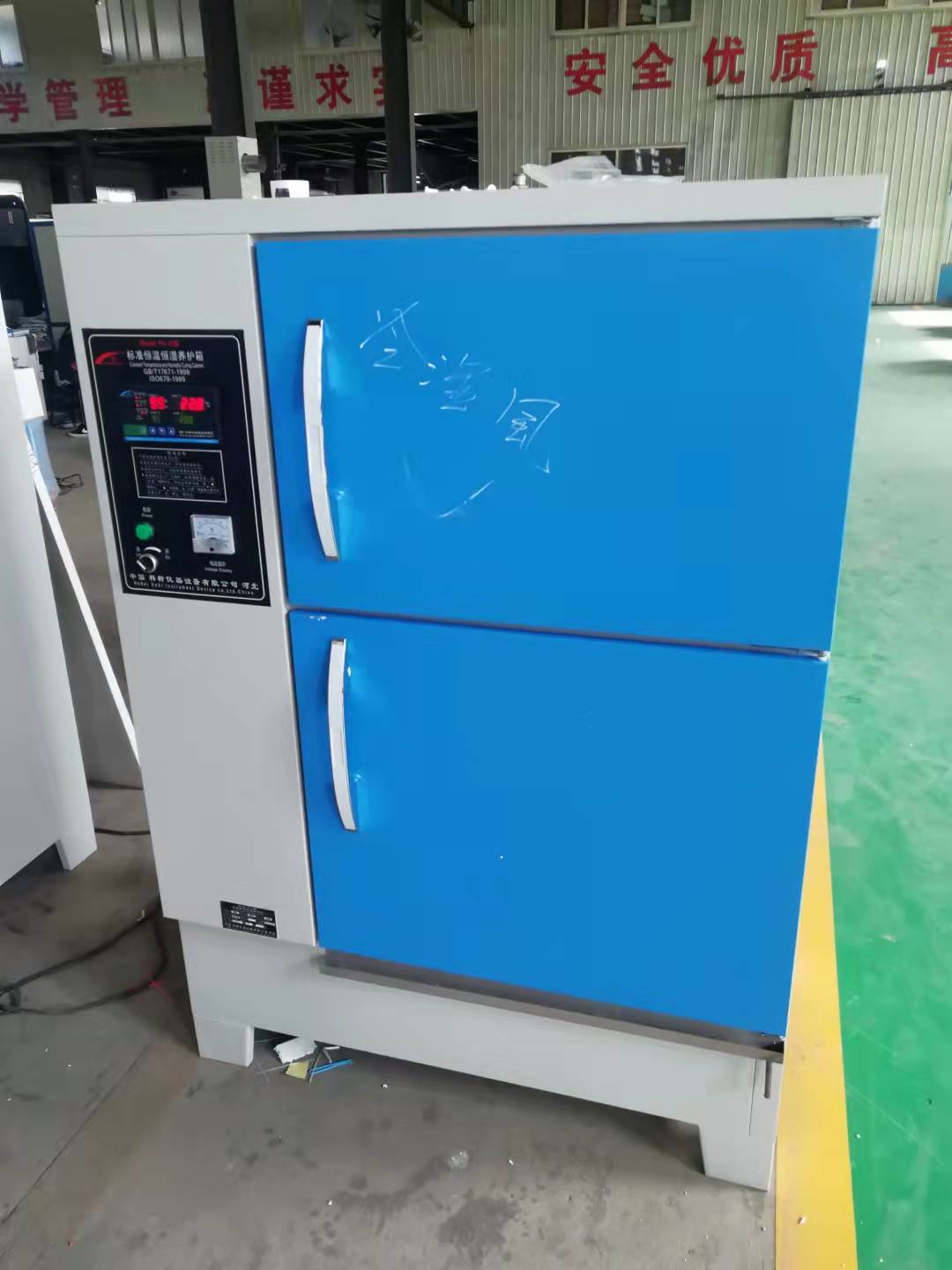
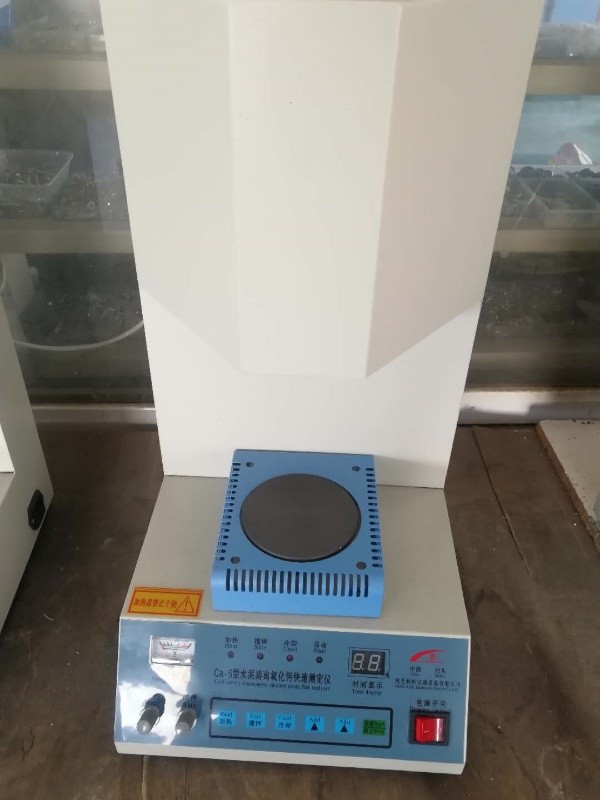
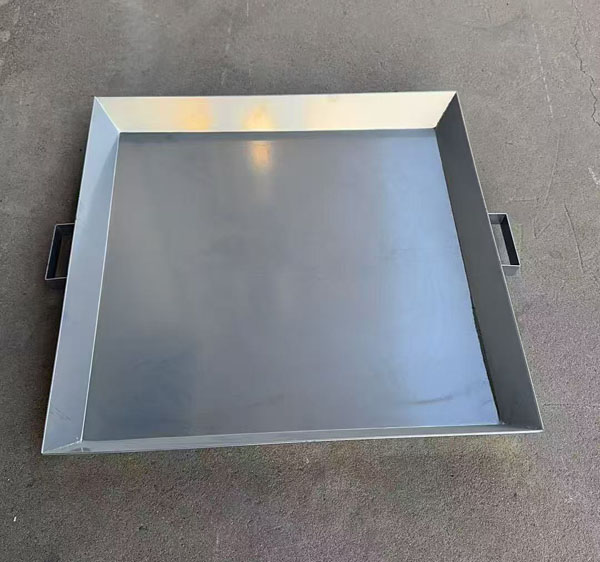
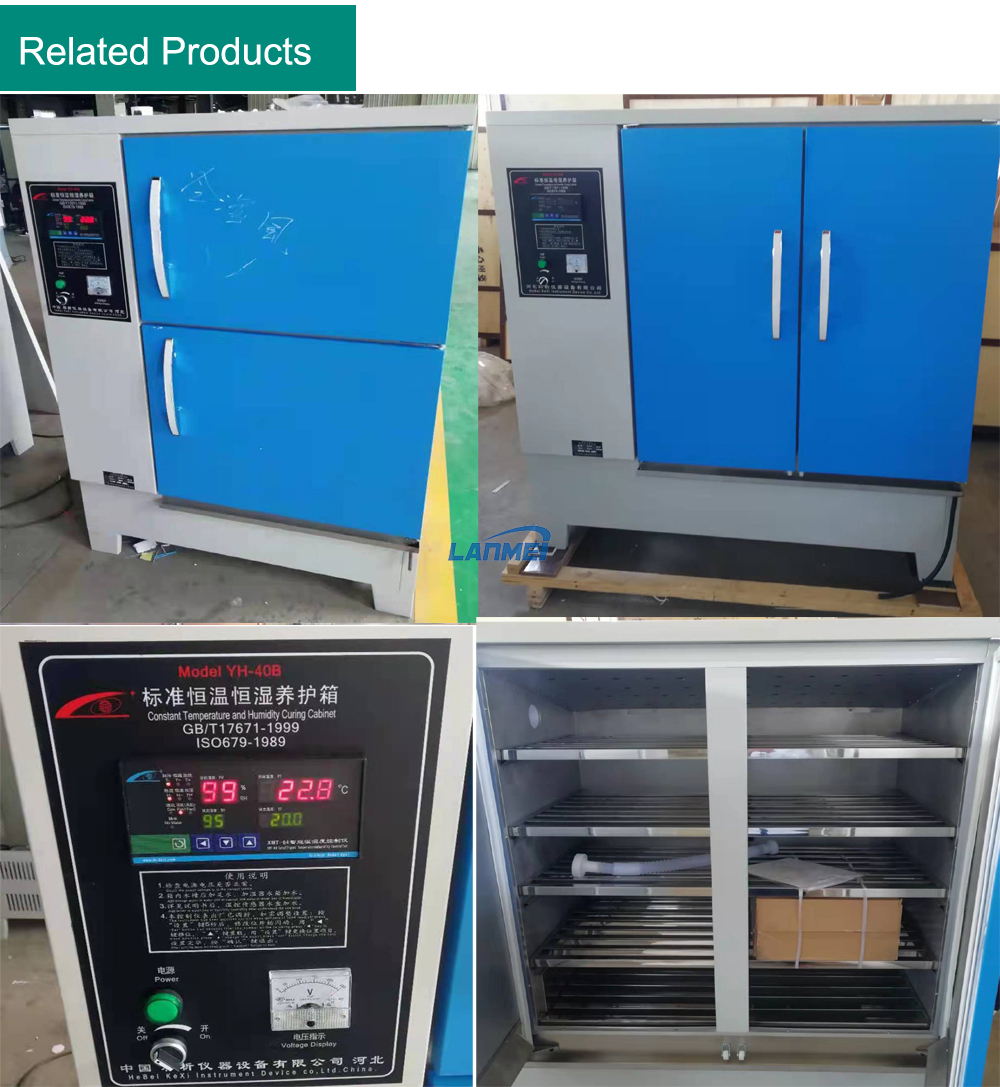
Advanced biochemical incubators Solutions for Zimbabwe's Research Sector

Empowering Zimbabwean laboratories with high-precision material testing and sample processing instruments tailored for extreme African climates.

Advanced biochemical incubators Solutions for Zimbabwe's Research Sector

Our comprehensive suite of laboratory instruments ensures that Zimbabwe's mining, agricultural, and medical research facilities achieve international standards of accuracy and repeatability.

Analyzing the Laboratory Instrument Landscape in Zimbabwe

Navigating the challenges of precision testing in the heart of Southern Africa.

Zimbabwe's laboratory sector is currently characterized by a strong reliance on mining and agricultural analysis. However, the high ambient temperatures and occasional power instability in regions like Harare and Bulawayo place immense pressure on temperature-sensitive equipment like lab incubators, requiring robust thermal insulation and voltage regulation.

In the mining sector, the demand for high-throughput sample preparation is surging. The use of a professional Laboratory sample Crusher has become essential for processing hard rock ore samples into fine powders for geochemical analysis, replacing outdated manual grinding methods that introduce contamination.

Furthermore, the growth of biotechnology and vaccine research in Zimbabwe has highlighted a critical need for specialized Cooling incubator systems. These instruments are vital for maintaining the viability of heat-sensitive biological cultures against the backdrop of a tropical climate.
Technical Evolution of Testing Instruments in Zimbabwe

From basic mechanical tools to intelligent automated systems.

Market Development History

Between 1990 and 2005, most Zimbabwean labs relied on legacy analog equipment. Sample preparation was labor-intensive, and temperature control in lab incubators was managed via basic thermostats with wide fluctuation margins.

From 2006 to 2018, the industry transitioned toward digital PID controllers. This era saw the introduction of more stable biochemical incubators that could handle precise CO2 and humidity levels, supporting the rise of clinical diagnostics in the region.

Since 2019, there has been a shift toward "Smart Lab" integration. Modern facilities now integrate IoT-enabled monitoring and high-efficiency Lab BOO incubator units that offer energy-saving modes to combat local electricity costs.

Future Development Trends

Energy-Autonomous Systems

Integration of solar-hybrid power backups for critical cooling units to ensure zero-loss of samples during grid failures.

Automated Sample Processing

A move toward fully automated Laboratory sample Crusher systems that reduce human exposure to hazardous mineral dust.

Precision Bio-Simulation

Increased adoption of multi-zone temperature control to simulate diverse ecological conditions for indigenous Zimbabwean flora research.

Industry Trends and Future Outlook for Zimbabwe

Strategic projections for the material testing and instrumentation market.

Climate-Resilient Hardware
Developing equipment with enhanced heat dissipation for Zimbabwe's high-temperature summers.
Green Lab Initiatives
Transitioning to CFC-free refrigerants in Cooling incubator models to meet environmental goals.
Mining Digitalization
Integration of sample crushing data into centralized LIMS (Laboratory Information Management Systems).
Rapid Diagnostic Scale-up
Deployment of high-capacity Lab BOO incubator units for regional health screening.

Industry Outlook

Google search trends indicate a growing interest in "sustainable laboratory equipment" and "precision mineral analysis" within the Southern African region. This suggests that Zimbabwean procurement is shifting from "lowest cost" to "lowest total cost of ownership (TCO)," emphasizing durability and energy efficiency.

Over the next 3-5 years, we anticipate a surge in the adoption of automated material testing instruments as Zimbabwe seeks to modernize its industrial base and attract more foreign investment in the mining and pharmaceutical sectors.

Localized Application Scenarios in Zimbabwe

Practical implementations of our instruments in the Zimbabwean market.

01. Gold and Platinum Ore Processing

Utilizing the Laboratory sample Crusher for precise pulverization of Great Dyke platinum samples, ensuring homogeneous material for assaying.

02. Agricultural Seed Viability Testing

Applying lab incubators to maintain optimal germination temperatures for maize and tobacco seeds under controlled environmental variables.

03. Tropical Disease Research

Deploying biochemical incubators in Harare's medical research labs to culture pathogens at specific temperatures for vaccine development.

04. Dairy and Food Quality Control

Implementing Cooling incubator units for the storage and analysis of perishable dairy samples in regional quality hubs.

05. Soil Nutrient Mapping

Using Lab BOO incubator systems for the acceleration of soil organic matter decomposition studies to improve crop yields.

Brand Story

Global Development Journey of Cangzhou Lanmei Import and Export Trade Co., Ltd.

Founding Vision

Established with a mission to bridge the gap between high-end manufacturing and accessible laboratory instrumentation for emerging markets.

Technical Breakthroughs

Mastering the precision engineering of material testing machines, specializing in durability and thermal stability for extreme climates.

Global Expansion

Expanding our footprint across Africa, providing localized support and customized instrument configurations for diverse industrial needs.

Quality Standardization

Achieving international certifications to ensure every unit meets the rigorous demands of ISO-certified laboratories worldwide.

Commitment to Zimbabwe

Dedicated to solving the specific pain points of Zimbabwean labs through rugged design and energy-efficient technology.

Common Inquiries for Zimbabwe Lab Facilities

Expert answers to the most pressing technical questions in the region.

How to maintain a Cooling incubator during Zimbabwe's peak summer?

We recommend installing the unit in a well-ventilated area with a dedicated voltage stabilizer to prevent compressor failure during power surges and heatwaves.

Can the Laboratory sample Crusher handle high-hardness Zimbabwean minerals?

Yes, our crushers utilize tungsten carbide or high-chrome steel liners specifically designed for the abrasive nature of local gold and platinum ores.

What is the difference between biochemical incubators and standard lab incubators?

Biochemical versions offer more precise control over atmospheric composition (like CO2 levels) and humidity, essential for living cell cultures compared to simple heat incubation.

How energy-efficient is the Lab BOO incubator for rural clinics?

The Lab BOO series features high-density polyurethane insulation, significantly reducing power consumption and maintaining temperature stability during short outages.

Do your lab incubators come with calibration certificates?

Every unit is shipped with a comprehensive factory calibration report and can be provided with third-party certification to meet Zimbabwean regulatory standards.

What is the expected lifespan of a Laboratory sample Crusher in a 24/7 mining operation?

With regular maintenance of the wear parts, our industrial-grade crushers are designed for a service life of 8-10 years in heavy-duty environments.

Request Your Custom Lab Solution

Our engineers are ready to provide technical consultation and equipment shipping logistics to all cities in Zimbabwe.

Contact Us Now
Leave Your Message

If you are interested in our products, you can choose to leave your information here, and we will be in touch with you shortly.