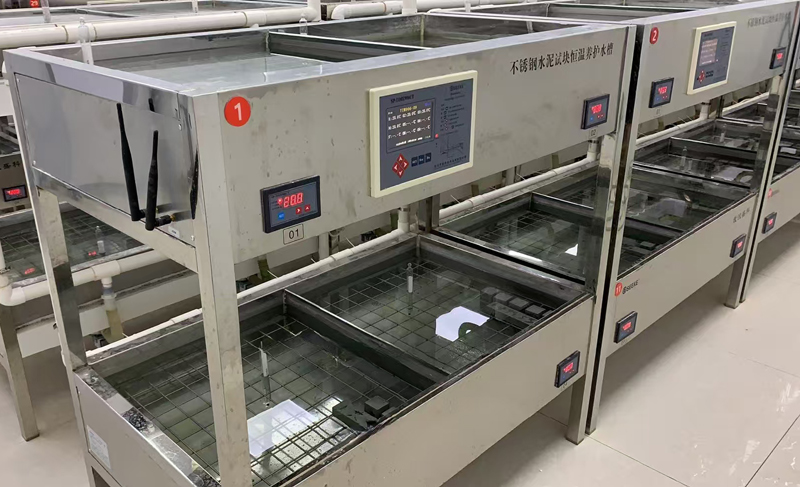
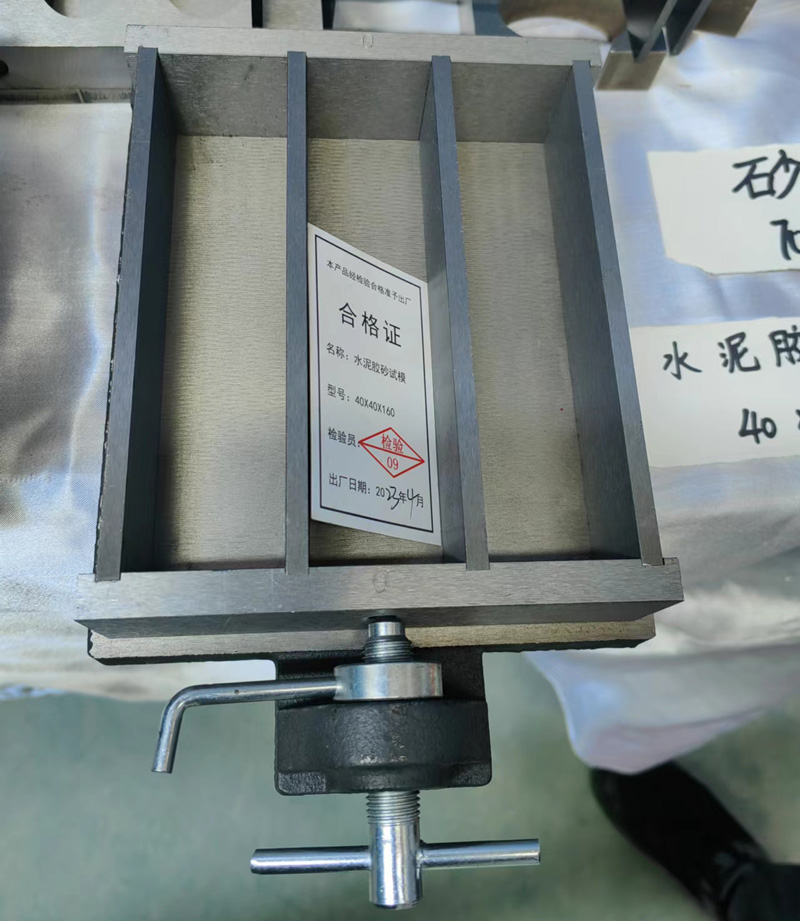
Advanced Laboratory Analysis Solutions with biochemical incubators in Mongolia

Precision-engineered material testing and sample preparation instruments designed to withstand the rigorous climatic challenges of the Mongolian plateau.

Advanced Laboratory Analysis Solutions with biochemical incubators in Mongolia

Integrating high-performance sample preparation and thermal control systems to ensure accuracy in mineralogy, agriculture, and biological research across Mongolia.

Current Landscape of Laboratory Instrumentation in Mongolia

Analyzing the intersection of extreme continental climates and the need for stable laboratory environments.

Mongolia's laboratory sector is characterized by a heavy reliance on the mining and livestock industries. Due to the extreme temperature fluctuations between winter and summer, the stability of lab incubators becomes critical for maintaining sample integrity in remote research stations.

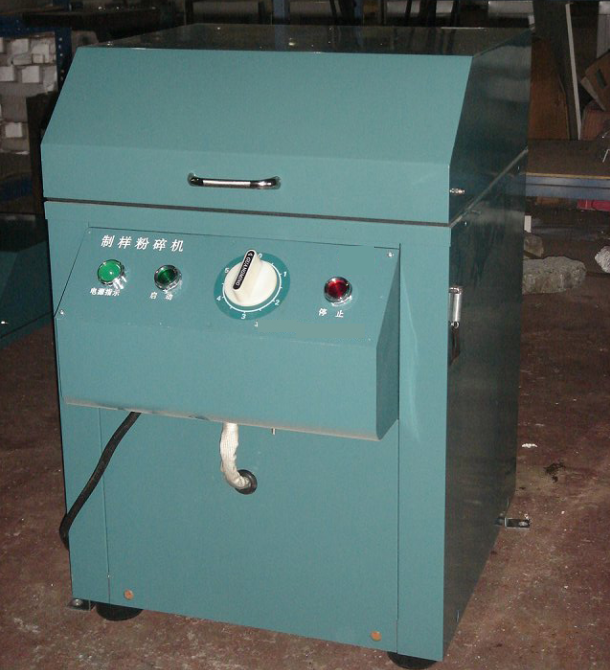
In the mining sector, the demand for a robust Laboratory sample Crusher has grown significantly. The ability to process hard mineral samples from the Gobi region into fine powders for geochemical analysis is a fundamental bottleneck for local metallurgical labs.

Furthermore, the rise of biochemical research in Ulaanbaatar has led to an increased adoption of biochemical incubators, which must operate efficiently despite potential power grid instabilities and the arid environment typical of the region.
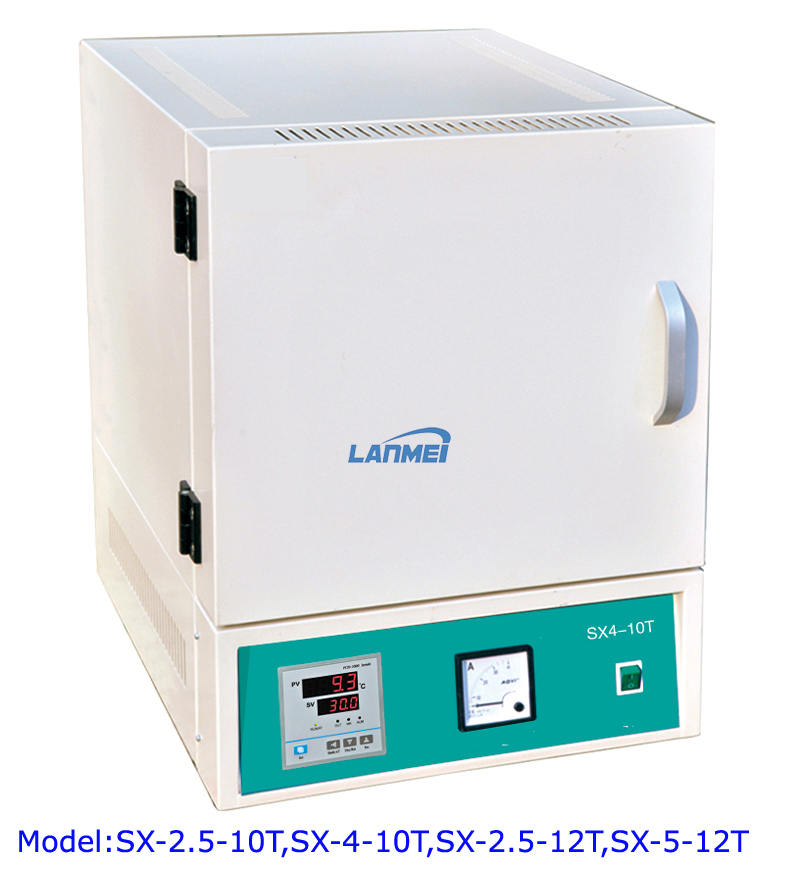
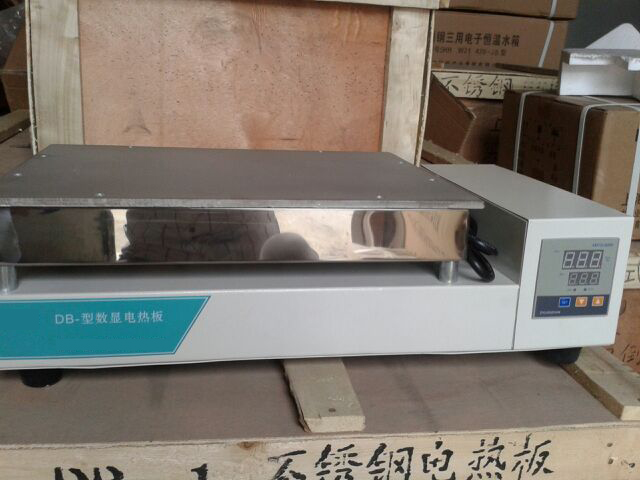
Evolution and Technical Trajectory of Testing Equipment

From manual crushing to automated thermal regulation systems.

Market Development History

Historically, from the late 1990s to 2010, Mongolian laboratories relied primarily on legacy mechanical equipment with manual controls, where sample preparation was labor-intensive and thermal stability was often compromised by external weather conditions.

Between 2011 and 2020, a transition occurred toward digital precision. The introduction of the Lab BOO incubator and similar PLC-controlled systems allowed researchers to program precise cycles, reducing human error in biochemical assays.

Currently, the focus has shifted to integrated automation. Modern labs are now pairing high-efficiency Cooling incubator units with high-throughput crushing systems to create a seamless workflow from raw ore to analyzed data.

Future Development Trends

IoT-Enabled Remote Monitoring

Integration of cloud-based sensors to monitor incubator temperatures in real-time, essential for remote sites in the Steppe region.

Energy-Efficient Thermal Insulation

Development of vacuum-insulated panels for lab equipment to minimize power consumption during extreme Mongolian winters.

High-Precision Micro-Crushing

Shift toward specialized crushing technology that prevents sample contamination and maintains mineralogical proportions.

Industry Trends and Strategic Outlook

Mapping the future of material testing and biochemical incubation in Asia.

Digital Transformation
Adoption of Smart Lab OS for coordinating the lab incubators fleet.
Climate Resilience
Enhanced chassis insulation for equipment operating in extreme Mongolian temperature swings.
Precision Automation
Automated feeding systems for the Laboratory sample Crusher.
Green Lab Standards
Reduction of waste and energy use in Cooling incubator operations.

Industry Outlook

Based on Google search trends in Asia, there is a growing volume of queries regarding "automated sample preparation" and "stable biochemical environments." This indicates a shift toward higher efficiency and lower manual intervention in Mongolian labs.

The convergence of biotechnology and mining—specifically in the study of extremophile bacteria in the Gobi—will drive the demand for more specialized biochemical incubators over the next 3-5 years.

Localized Application Scenarios in Mongolia

Tailored equipment deployment for the unique geographical and industrial needs of the region.

01. Gobi Desert Mineral Analysis

Utilizing the Laboratory sample Crusher to process hard copper and gold ore samples for rapid assay in field laboratories.

02. Steppe Livestock Pathogen Study

Employing biochemical incubators to culture local livestock pathogens under strictly controlled temperature environments.

03. Ulaanbaatar Environmental Monitoring

Using lab incubators for air quality particulate analysis and biological indicator growth testing.

04. Cold-Chain Bio-Sample Storage

Deploying Cooling incubator units for the preservation of enzyme samples and temperature-sensitive reagents.

05. Agricultural Seed Viability Testing

Using the Lab BOO incubator to simulate various seasonal temperatures to test the resilience of local seed varieties.

Brand Story

Global Development Process of Cangzhou Lanmei Import and Export Trade Co., Ltd.

Foundation & Engineering Roots

Started with a focus on high-precision material testing, solving the core pain point of equipment durability in harsh industrial environments.

Technological Diversification

Expanded into thermal control systems, integrating advanced PID controllers for the biochemical incubation line.

Global Market Penetration

Established trade routes across Asia, specifically optimizing equipment for the unique power and climate needs of Mongolia.

Certification & Standards

Achieved international quality certifications to ensure every instrument meets rigorous global safety and precision standards.

Future-Ready Innovation

Current focus on AI-driven diagnostic tools and sustainable energy consumption for all laboratory instrumentation.

Common Questions for Mongolian Laboratory Operators

Expert answers to technical and logistical challenges in the region.

How does the Laboratory sample Crusher handle high-hardness Mongolian ore?

Our crushers use tungsten carbide or high-chrome alloys specifically designed to resist abrasion from high-density mineral samples found in the Gobi region.

Can the Cooling incubator maintain stability during power fluctuations?

Yes, our systems include wide-voltage tolerance power supplies and optional UPS integration to ensure zero-deviation temperature control.

What is the difference between biochemical incubators and standard lab incubators?

Biochemical incubators offer tighter control over humidity and CO2 levels, whereas standard lab incubators focus primarily on precise temperature stability.

How to maintain a Lab BOO incubator in arid climates?

We recommend using our specialized humidity-retention seals and regular filter cleaning to prevent dust ingress from the dry Mongolian air.

What is the recommended calibration cycle for lab equipment in Mongolia?

Due to the extreme seasonal temperature shifts, we recommend a semi-annual calibration to ensure accuracy across winter and summer peaks.

Are the instruments compliant with international mining research standards?

All our sample preparation and incubation equipment follow ISO and CE standards, ensuring data validity for international publications.

Get Expert Consultation for Your Lab

Ready to upgrade your research capabilities? Our team provides customized equipment configurations for laboratories throughout Mongolia.

Contact Us Now
Leave Your Message

If you are interested in our products, you can choose to leave your information here, and we will be in touch with you shortly.