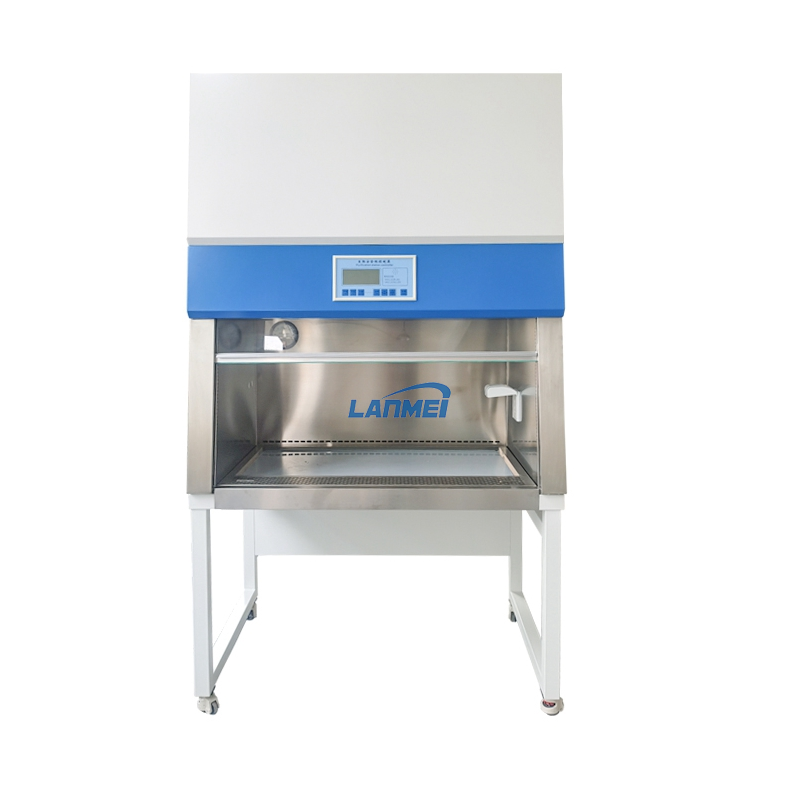
Advanced Laboratory Material Testing Solutions for biochemical incubators in Gambia

Precision-engineered material testing and incubation instruments tailored for the unique climatic and industrial requirements of the Gambian scientific community.

Advanced Laboratory Material Testing Solutions for biochemical incubators in Gambia

Providing world-class precision for material analysis and biological cultivation, ensuring Gambian laboratories achieve international standards in research and quality control.

Current State of Material Testing Infrastructure in Gambia

Analyzing the challenges of precision instrumentation in West African coastal environments.

The manufacturing and testing landscape in Gambia is currently characterized by a growing need for modernization. Due to the high humidity and saline air of the Atlantic coast, traditional lab incubators often face rapid corrosion and calibration drift, necessitating equipment with superior environmental sealing and robust material construction.

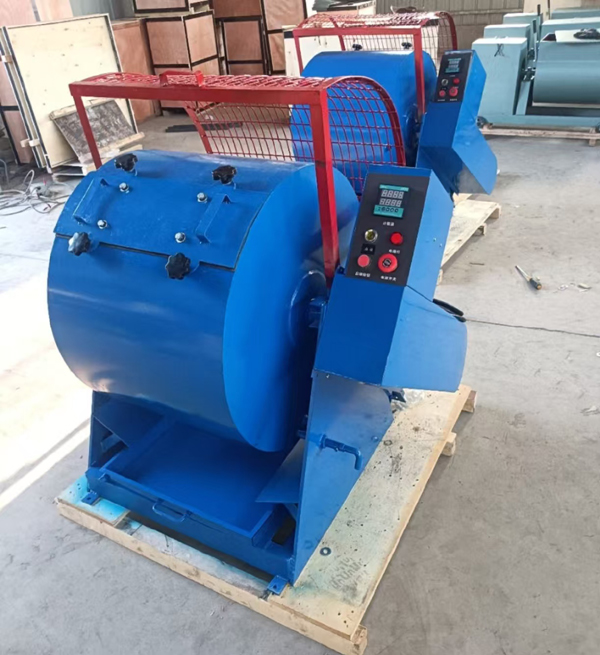
Local research institutes and agricultural testing centers are increasingly transitioning from manual sampling to automated processes. The adoption of the Laboratory sample Crusher has become critical for ensuring sample homogeneity in soil and mineral analysis, which is vital for Gambia's expanding agricultural export sector.

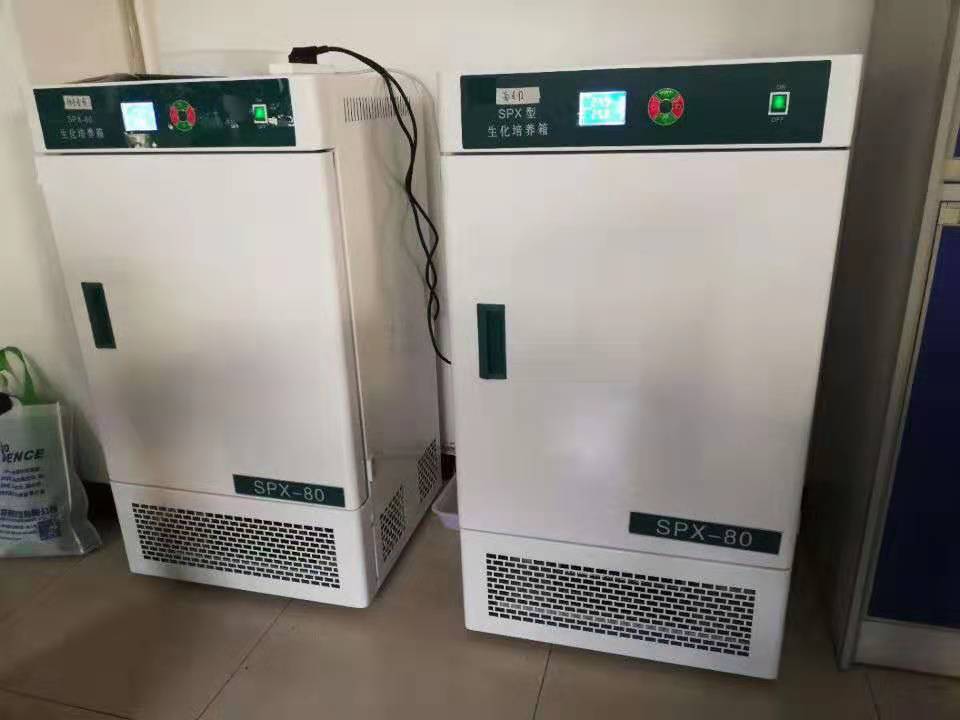
Furthermore, the demand for specialized thermal control is rising. The volatility of local power grids requires Cooling incubator systems with integrated voltage stabilization and high-efficiency compressors to maintain strict temperature thresholds for sensitive biological reagents.
Evolution and Technical Trajectory of Lab Instrumentation

From basic thermal chambers to intelligent, programmable biochemical environments.

Market Development History

In the early 2000s, Gambian labs relied heavily on basic atmospheric chambers with limited temperature range and manual recording. These early systems lacked the precision required for modern biochemical standards, often leading to inconsistent experimental results.

Between 2010 and 2020, a shift toward digital PID controllers occurred. This era saw the introduction of the first generation of biochemical incubators in the region, allowing researchers to simulate specific biological conditions with greater accuracy and reduced manual intervention.

Since 2021, the market has moved toward "Smart Lab" integration. The current phase focuses on energy-efficient cooling and high-torque crushing technology, where equipment like the Lab BOO incubator provides the stability needed for high-throughput screening and advanced material stress testing.

Future Development Trends

AI-Driven Thermal Optimization

Integration of machine learning to predict temperature fluctuations based on ambient coastal weather patterns in Gambia, automatically adjusting cooling cycles to save energy.

Eco-Friendly Refrigeration

A transition toward natural refrigerants in all cooling systems to comply with global environmental protocols while maintaining deep-cooling capabilities.

Modular Sample Processing

The evolution of crushing and grinding units into modular systems that can be swapped based on the material density, from soft organic tissues to hard mineral samples.

Industry Trends and Future Outlook

Strategic directions for material testing and incubation technology in West Africa.

Remote Monitoring Integration
Implementation of IoT sensors in lab equipment to allow Gambian researchers to monitor incubation cycles via mobile devices.
Energy Efficiency Optimization
Developing low-power consumption cooling systems to mitigate the impact of electricity costs and power instability in Gambia.
Corrosion-Resistant Housing
Use of 316L stainless steel and advanced powder coatings to withstand the salty humid air of coastal Gambian laboratories.
High-Precision Standardization
Alignment of all local testing results with ISO/IEC 17025 standards through calibrated high-precision instruments.

Industry Outlook

The future of laboratory equipment in Gambia is moving toward integrated workflows. We anticipate a surge in demand for combined systems where sample preparation via Laboratory sample Crusher units feeds directly into stabilized incubation environments, reducing sample contamination risks.

Google search trends indicate a rising interest in "sustainable lab equipment" and "energy-efficient incubators" in West Africa. This reflects a strategic shift toward long-term operational viability, ensuring that scientific research is not hindered by the region's infrastructure constraints.

Localized Application Scenarios in Gambia

Real-world deployments of precision testing instruments across diverse Gambian sectors.

01. Agricultural Soil Analysis

Utilizing the Laboratory sample Crusher to process groundnut and cereal crop soil samples, ensuring a fine, consistent powder for accurate nutrient and pH testing to improve local crop yields.

02. Tropical Disease Research

Deploying biochemical incubators in medical research centers to culture pathogens at precise temperatures, essential for developing localized treatments for tropical ailments.

03. Pharmaceutical Quality Control

Implementing Lab BOO incubator systems in drug manufacturing units to maintain the stability of heat-sensitive pharmaceutical compounds during the production phase.

04. Food Safety Inspection

Using Cooling incubator units to store and test perishable seafood exports, ensuring that biological samples remain viable for safety screening before shipment to international markets.

05. Environmental Monitoring

Applying a range of lab incubators to study the effects of salinity and temperature on coastal mangrove vegetation, aiding in the conservation of Gambia's natural shoreline.

Brand Story

Global Development History of Cangzhou Lanmei Import and Export Trade Co., Ltd.

Founding Vision

Established with a commitment to bridge the gap between high-end manufacturing and emerging markets, focusing on durable and precise laboratory instrumentation.

Technical Breakthroughs

Invested heavily in thermal dynamics and material science to solve the common pain point of equipment failure in high-humidity environments.

Global Expansion

Expanded our footprint into Africa, providing customized logistics and installation services to ensure equipment arrives and operates perfectly in remote regions.

Quality Certification

Achieved international ISO and CE certifications, guaranteeing that every piece of equipment meets the stringent demands of global scientific research.

Sustainable Future

Now focusing on green technology and AI integration to empower the next generation of scientists in the Gambia and beyond.

Complete Testing Portfolio for the Gambian Market

A comprehensive suite of instruments designed to handle everything from raw sample crushing to precise biological incubation.

Common Questions for Lab Instrumentation in Gambia

Expert answers to technical and operational queries regarding our equipment.

How to maintain a Cooling incubator in high-humidity coastal areas like Banjul?

We recommend using our specialized corrosion-resistant coatings and ensuring the unit is placed in a well-ventilated area. Regular cleaning of the condenser coils is essential to prevent saline buildup and maintain cooling efficiency.

What is the best way to use a Laboratory sample Crusher for hard mineral samples?

For hard minerals, use the high-torque setting and process samples in smaller batches. We suggest using tungsten carbide liners to prolong the equipment's lifespan and ensure consistent particle size.

Can biochemical incubators handle unstable power grids in Gambia?

Yes, our biochemical incubators are designed with wide-voltage tolerance. However, we strongly recommend pairing them with an external Automatic Voltage Regulator (AVR) to protect the sensitive PID controllers.

What distinguishes the Lab BOO incubator from standard lab incubators?

The Lab BOO model features enhanced insulation and a more precise airflow system, reducing temperature gradients within the chamber to less than 0.5°C, which is critical for high-sensitivity biological assays.

How often should lab incubators be calibrated for ISO compliance?

For labs seeking international accreditation, we recommend a professional calibration every 6 to 12 months, depending on the frequency of use and the criticality of the temperature range.

Is the Laboratory sample Crusher easy to clean for cross-contamination prevention?

Absolutely. Our crushers feature a quick-release chamber design, allowing the grinding bowl and pestle to be removed and sterilized quickly between different sample types.

Request a Technical Consultation

Our engineers are ready to provide customized laboratory solutions tailored for the specific environmental and industrial needs of Gambia.

Contact Us Now
Leave Your Message

If you are interested in our products, you can choose to leave your information here, and we will be in touch with you shortly.