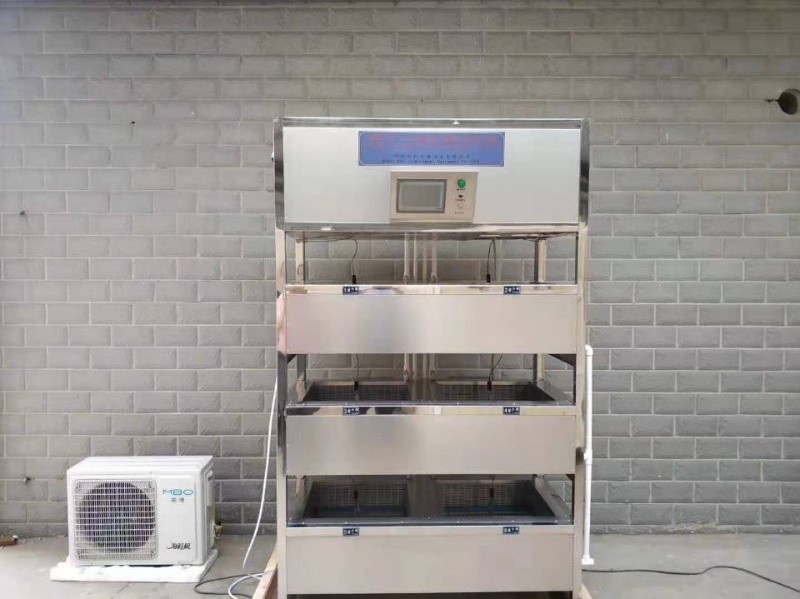
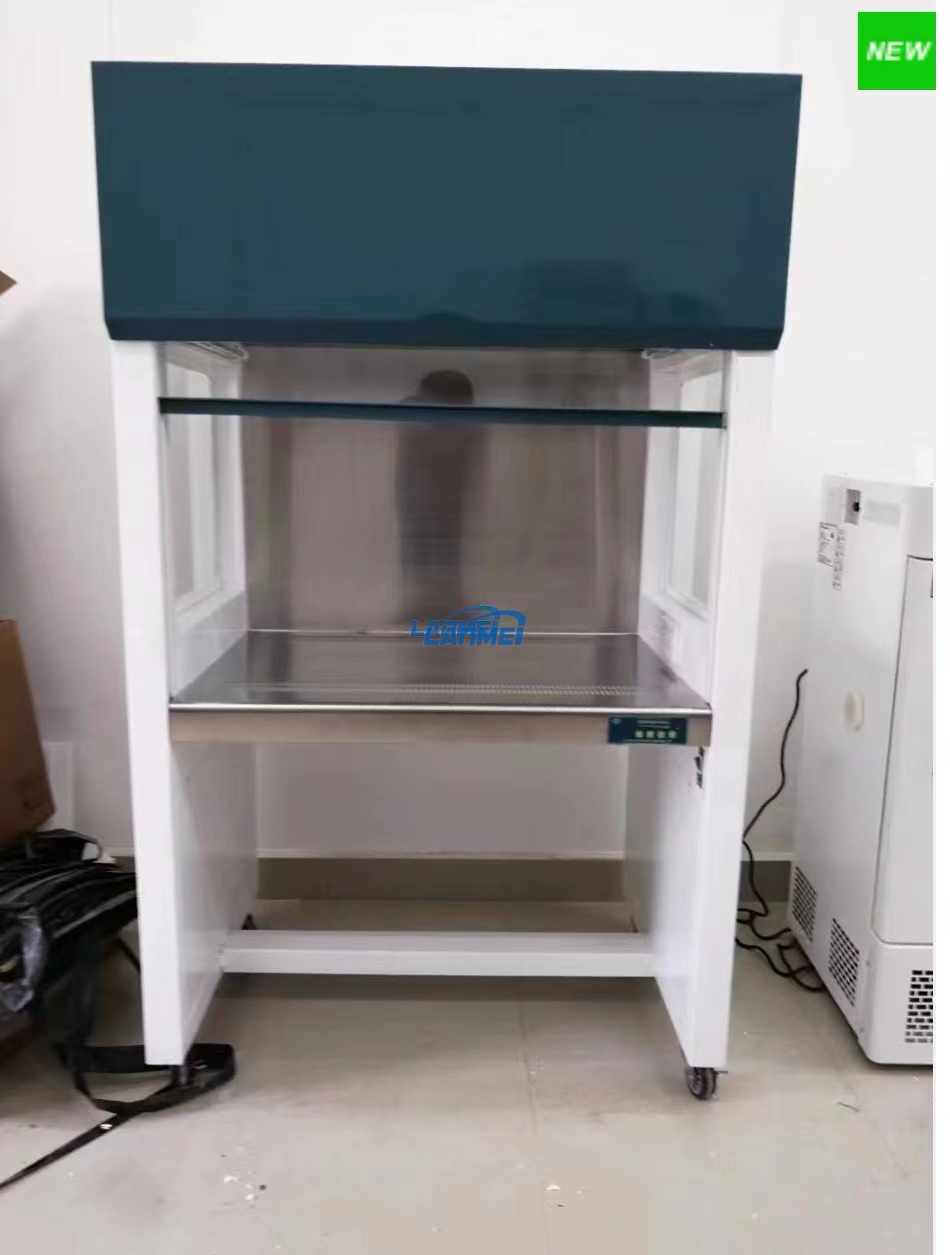
Advanced Laboratory Sample Preparation and Biochemical Incubators Solutions for Japan

Precision-engineered material testing and incubation systems tailored for the rigorous quality standards of Japanese research and manufacturing industries.

Advanced Laboratory Sample Preparation and Biochemical Incubators Solutions for Japan

Integrating high-performance sample processing with ultra-stable environmental control to meet the exacting demands of Japan's materials science and biotechnology sectors.

The State of Precision Lab Instrumentation in Japan

Analyzing the intersection of high-tech manufacturing and stringent environmental regulations in the Japanese market.

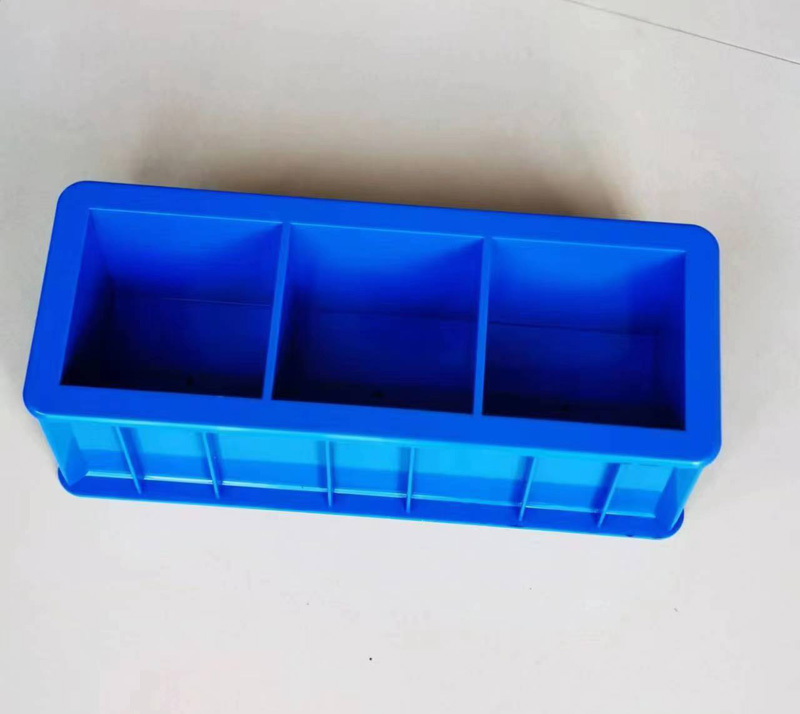
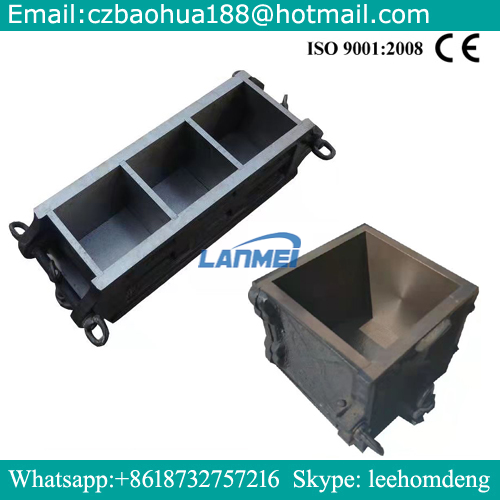
Japan's laboratory landscape is characterized by an obsession with "Monozukuri" (the art of making things), where precision is not just a requirement but a cultural standard. In the realm of material testing, the demand for a high-efficiency Laboratory sample Crusher is driven by the need for absolute homogeneity in sample preparation for semiconductor and automotive grade materials.

Furthermore, Japan's humid subtropical climate poses significant challenges for temperature-sensitive biological samples. This has led to a surge in the adoption of high-stability Cooling incubator systems that can maintain precise internal conditions despite external seasonal fluctuations, ensuring the integrity of critical biochemical assays.

The local market currently sees a transition toward "Smart Labs," where lab incubators are no longer standalone units but integrated nodes in a digital ecosystem. Japanese firms are increasingly prioritizing energy efficiency and space-saving designs to accommodate the dense urban laboratory layouts typical of Tokyo and Osaka.
Evolution of Material Testing and Incubation Technology

From mechanical simplicity to intelligent, automated environmental control systems.

Market Development History

In the 1990s and early 2000s, the Japanese market relied heavily on manual mechanical processing and basic thermal chambers. Sample preparation was labor-intensive, and temperature control in biochemical incubators was often managed by simple thermostats with high variance.

Between 2010 and 2020, the industry shifted toward PID digital control and automated sample processing. The introduction of the Lab BOO incubator series marked a turning point, offering enhanced oxygen and CO2 control for advanced cellular research, reflecting Japan's leadership in regenerative medicine.

Currently, the era of Industry 4.0 has integrated IoT and AI into the hardware. Modern systems now feature remote monitoring and predictive maintenance, reducing downtime in high-throughput testing facilities across Japan's industrial hubs.

Future Development Trends

Ultra-Precision Thermal Mapping

Future systems will implement multi-point sensor arrays to eliminate "cold spots," ensuring that every sample in a cooling unit experiences identical conditions.

Green-Tech Refrigeration

Following Japan's commitment to carbon neutrality, the next generation of incubation equipment will shift toward natural refrigerants and ultra-low power consumption modes.

Automated Sample Workflow

The integration of robotic arms with sample crushers and incubators will create a seamless "Sample-to-Result" pipeline, minimizing human error and contamination.

Industry Outlook and Strategic Trends

Navigating the future of laboratory instrumentation through digitalization and sustainable engineering.

IoT-Enabled Monitoring
Real-time cloud synchronization for all incubation parameters, allowing Japanese researchers to monitor experiments via mobile devices.
Energy-Efficient Cooling
Deployment of inverter compressors to reduce energy consumption by 30%, aligning with Japan's strict energy-saving laws.
Modular Lab Design
Compact, stackable incubator modules that maximize vertical space in crowded Tokyo research facilities.
Cross-Contamination Control
Integrated UV sterilization and HEPA filtration within incubators to meet the highest sterility standards of Japanese pharma.

Industry Outlook

Based on search trends in the East Asian region, there is a significant increase in queries related to "Automated Lab Workflows" and "Low-Energy Thermal Systems." This indicates that the Japanese market is moving away from generic equipment toward highly specialized, energy-efficient solutions.

The next 3-5 years will likely see the convergence of sample preparation and incubation into a single, automated platform, reducing the physical footprint of laboratories while increasing the throughput of materials testing.

Localized Application Scenarios in Japan

Real-world implementations of our precision instruments across various Japanese industries.

01. Semiconductor Materials Analysis (Kanto Region)

Using high-precision Laboratory sample Crusher units to process silicon carbide wafers into fine powder for purity analysis in Tsukuba's research clusters.

02. Pharmaceutical Stability Testing (Osaka Bio-Cluster)

Utilizing biochemical incubators to conduct long-term stability tests for new drug compounds under strictly controlled temperature and humidity.

03. Automotive Polymer Research (Nagoya Hub)

Implementing lab incubators for the accelerated aging of high-performance plastics used in electric vehicle battery housings.

04. Agricultural Biotech Research (Kyushu Region)

Employing Cooling incubator systems to preserve temperature-sensitive enzymes and seeds for genetically modified crop research.

05. Advanced Cellular Therapy (Tokyo Metropolitan)

Deploying the Lab BOO incubator for the precise cultivation of iPS cells, ensuring a sterile and perfectly regulated environment for regenerative medicine.

Brand Story

Global Development Journey of Cangzhou Lanmei Import and Export Trade Co., Ltd.

Foundation of Precision

Started with a commitment to bridge the gap between industrial-grade robustness and laboratory-grade precision in material testing equipment.

Technological Breakthroughs

Developed proprietary thermal control algorithms that significantly reduced temperature fluctuation in biochemical incubation.

Global Expansion

Expanded our footprint into the Asian market, specifically tailoring our products to meet the JIS (Japanese Industrial Standards).

Customer-Centric Innovation

Iterated our product designs based on direct feedback from Japanese research institutes to optimize space and energy usage.

Sustainable Future

Leading the transition toward eco-friendly lab instruments, focusing on reducing the environmental impact of global research.

Comprehensive Lab Instrumentation Portfolio for Japan

From sample preparation to environmental incubation, we provide a full-stack solution for Japanese laboratories.

Frequently Asked Questions for Japanese Clients

Technical support and compliance information for the Japan market.

How does your Laboratory sample Crusher handle extremely hard ceramic materials?

Our crushers utilize tungsten carbide alloys and high-torque motors specifically designed to handle high-hardness materials without contamination, ensuring sample purity for Japanese ceramic research.

Do your Cooling incubator models comply with Japanese energy efficiency standards?

Yes, our cooling units utilize high-efficiency inverter technology and eco-friendly refrigerants that meet and exceed local energy consumption guidelines.

What is the temperature uniformity within your biochemical incubators?

Our biochemical systems feature forced-air circulation and multi-point sensing, maintaining a temperature variance of less than ±0.2°C throughout the entire chamber.

Can your lab incubators be integrated into a centralized LIMS system?

Absolutely. Our equipment supports RS485 and Ethernet connectivity, allowing seamless integration with most Laboratory Information Management Systems (LIMS) used in Japan.

What makes the Lab BOO incubator suitable for cellular research?

The Lab BOO series offers precise CO2 and O2 control, coupled with high-grade sterilization features, making it ideal for the sensitive requirements of stem cell research.

What is the typical lead time for delivery to Tokyo or Osaka?

Depending on the customization level, standard units typically arrive within 4-6 weeks, with dedicated logistics partners ensuring safe transport to any prefecture in Japan.

Ready to Elevate Your Lab Precision?

Our technical experts are ready to provide customized solutions for the manufacturing and research sectors in Japan.

Contact Us Now
Leave Your Message

If you are interested in our products, you can choose to leave your information here, and we will be in touch with you shortly.