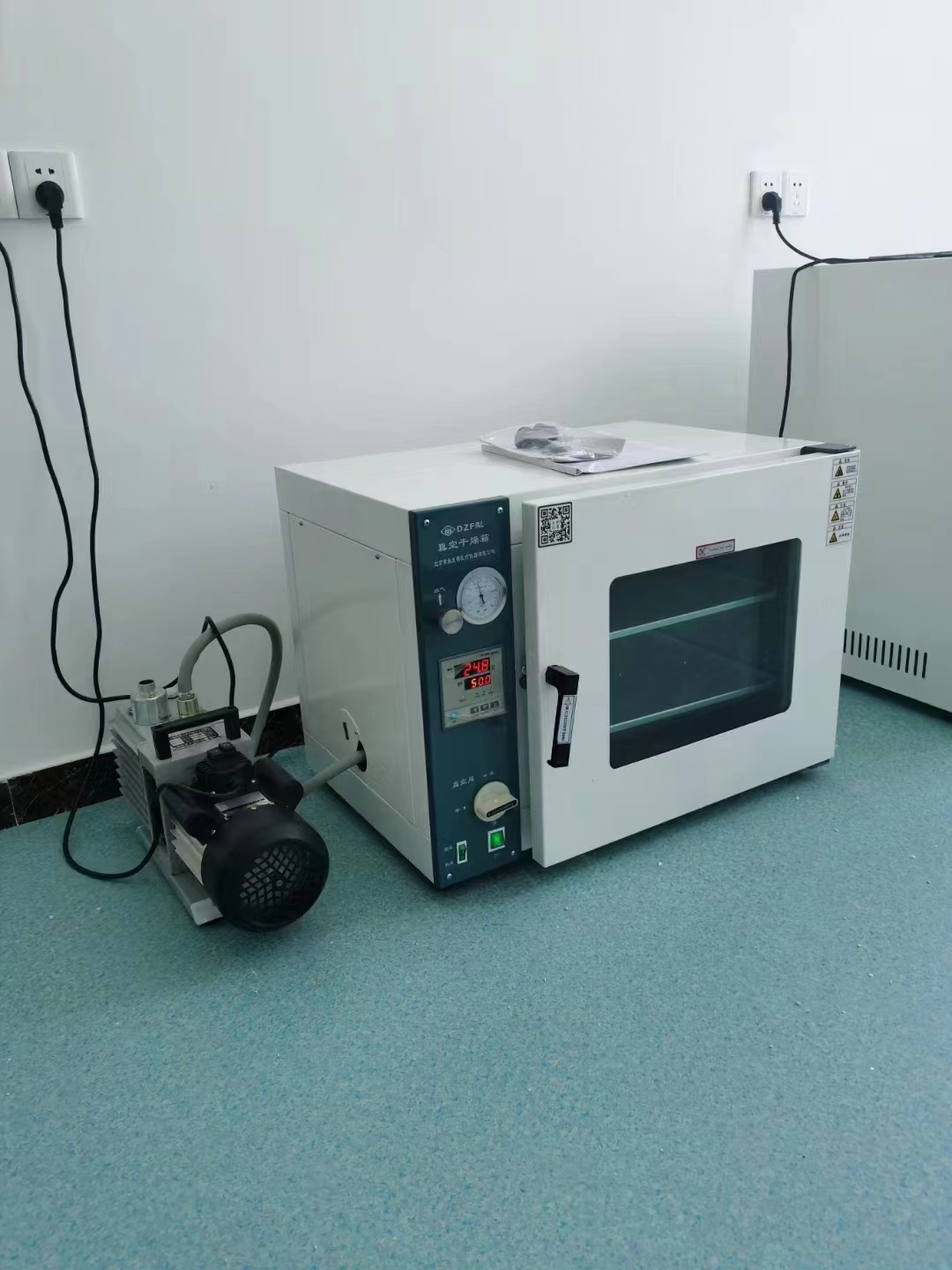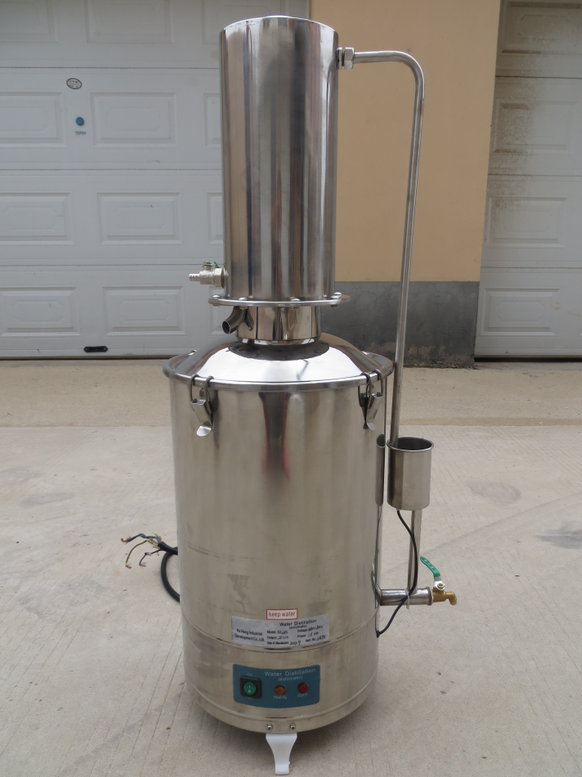
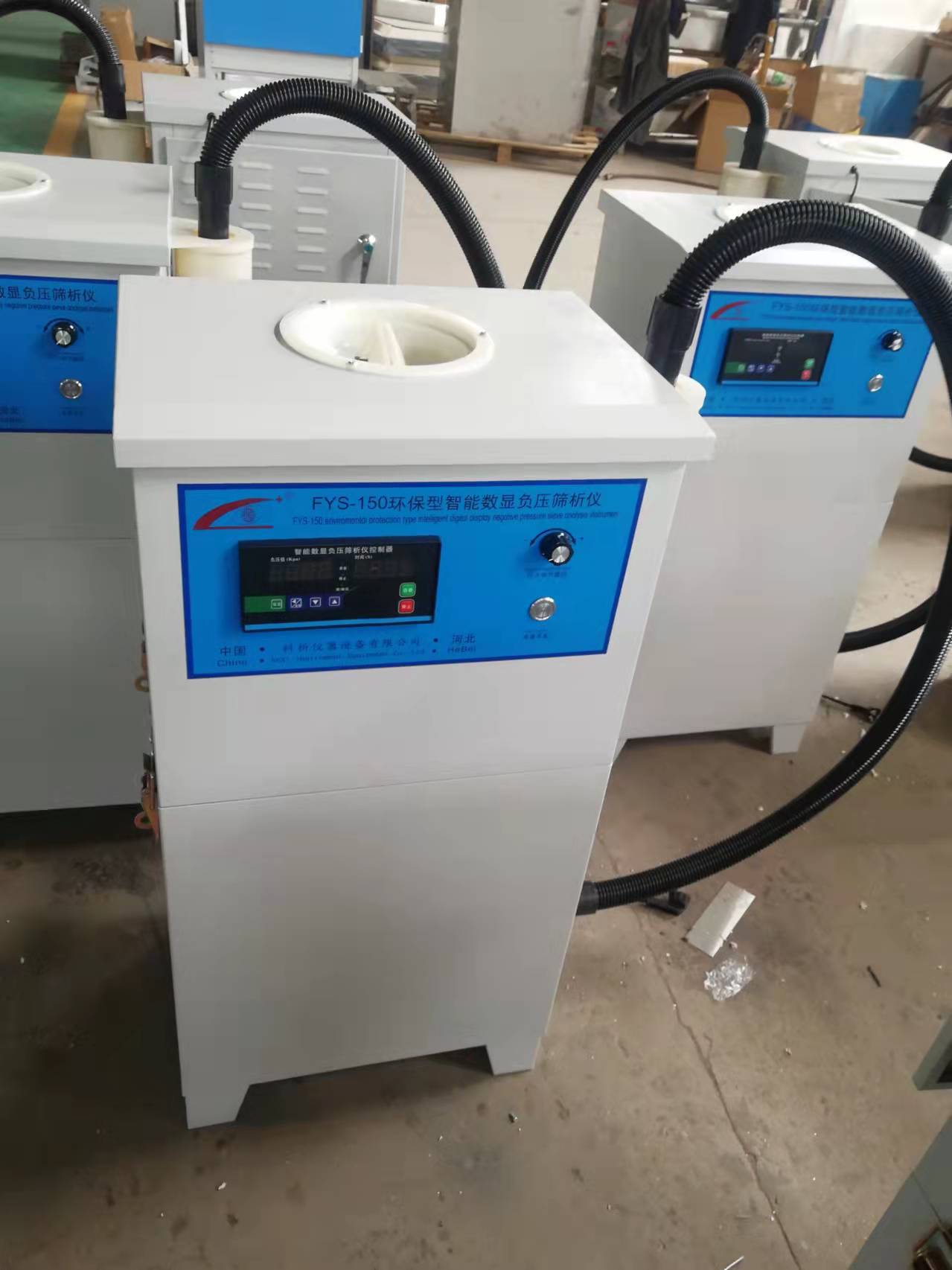
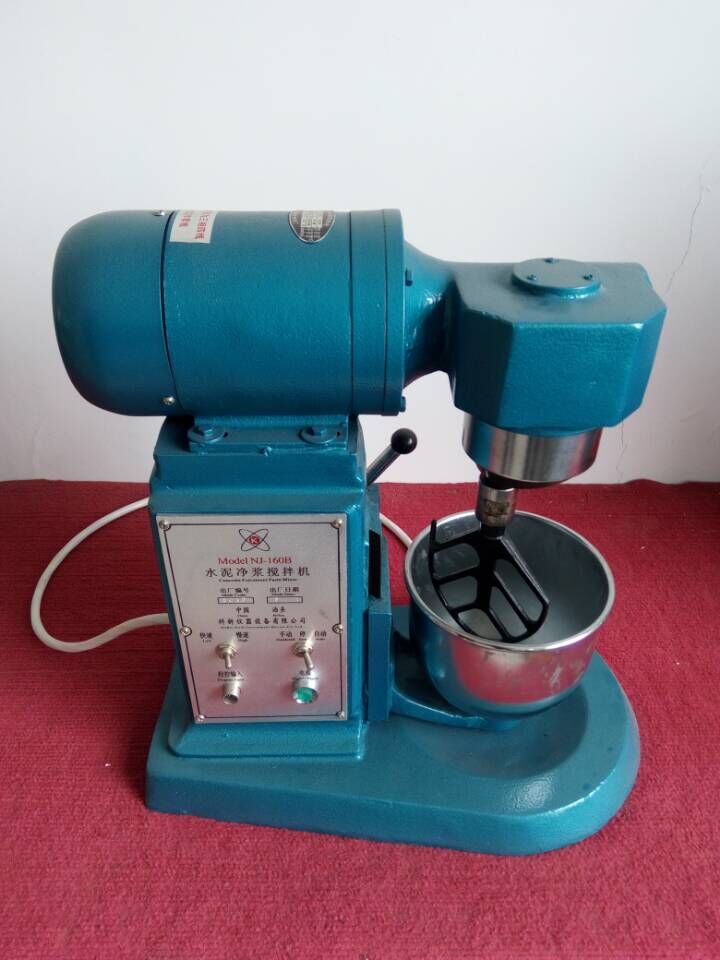
Advanced Laboratory Solutions for biochemical incubators in North Korea

Providing precision-engineered material testing and laboratory instrumentation to elevate research and industrial quality control across the Korean Peninsula.

Advanced Laboratory Solutions for biochemical incubators in North Korea

Integrating high-performance thermal control and sample preparation technologies to meet the rigorous demands of North Korean industrial and scientific laboratories.

Current Status of Lab Instrumentation in North Korea

Analyzing the intersection of rugged environmental needs and precision measurement requirements.

In North Korea, the manufacturing sector is increasingly focusing on self-reliance, leading to a surge in demand for durable lab incubators. The local climate, characterized by extreme seasonal temperature fluctuations, necessitates equipment with superior insulation and stable thermal regulation to ensure experimental consistency.

The industrial landscape relies heavily on the ability to process raw geological and chemical materials. Consequently, the adoption of a high-efficiency Laboratory sample Crusher has become essential for preparing standardized samples for metallurgical and agricultural analysis in state-run research institutes.

Despite economic constraints, there is a clear shift toward biochemical research. The integration of biochemical incubators is now critical for the development of local pharmaceuticals and specialized crop resilience studies, requiring instruments that can withstand local power grid instabilities.
Evolution and Technical Trajectory of Laboratory Testing

From manual processing to automated precision control in the Korean Peninsula.

Market Development History

From the 1990s to the early 2000s, the region relied primarily on basic mechanical crushing and analog heating systems. Sample preparation was labor-intensive, and temperature control was often imprecise, leading to high variability in material testing results.

Between 2010 and 2020, a transition toward digital PID controllers occurred. This era saw the introduction of early-stage Cooling incubator units, allowing researchers to perform low-temperature incubation, which was previously unattainable with standard heating equipment.

Currently, the focus has shifted to "Smart Testing." Modern labs are now integrating the Lab BOO incubator and other programmable units that allow for complex cycling of temperature and humidity, mirroring international ISO standards for material durability.

Future Development Trends

Energy-Efficient Thermal Systems

Given the local energy challenges, future trends point toward vacuum-insulated panels and low-energy compressors in cooling systems to maintain stability during power dips.

Automated Sample Homogenization

The evolution of sample crushing will move toward fully automated, closed-loop systems to reduce dust contamination and improve operator safety in chemical labs.

IoT Integration for Remote Monitoring

We anticipate a rise in localized network monitoring, where multiple incubators are managed via a central hub to optimize space and resource allocation.

Industry Trends and Future Outlook

Predicting the next 3-5 years of material testing evolution in North Korea.

Precision Thermal Stability
Enhanced PID algorithms to maintain ±0.1°C accuracy despite external environmental volatility.
Material Processing Speed
Increased throughput for sample crushing to support large-scale industrial mining analysis.
Biochemical Versatility
Multi-parameter control systems supporting diverse biological cultures in one unit.
Eco-Friendly Refrigeration
Transitioning to R290 and other green refrigerants to comply with environmental standards.

Industry Outlook

Based on global search trends for laboratory instrumentation, we observe a strong pivot toward "Integrated Sample Workflows." This means the gap between initial crushing and incubation is narrowing, with a demand for seamless data transfer between the Laboratory sample Crusher and the final analytical stage.

Furthermore, the North Korean market is likely to prioritize "Modular Scalability." Laboratories will seek equipment that can be expanded as their research capacity grows, particularly in the realm of specialized biochemical testing for agricultural productivity.

Localized Application Scenarios in North Korea

Practical deployments of instrumentation across diverse regional sectors.

01. Mineral Analysis in Mining Hubs

Utilizing the Laboratory sample Crusher to process hard ore samples from the northern mountainous regions for high-precision purity testing.

02. Agricultural Seed Resilience Research

Employing lab incubators to simulate extreme winter conditions, testing the viability of local crop seeds against frost.

03. Pharmaceutical Formulation Stability

Using biochemical incubators to ensure the stability of locally synthesized medicines under controlled humidity and temperature.

04. Cold-Chain Vaccine Storage Testing

Implementing Cooling incubator systems to validate the efficacy of vaccines during transport in rural provinces.

05. Specialized Bio-Polymer Development

Leveraging the Lab BOO incubator for the cultivation of specialized bacteria used in the creation of industrial-grade bio-plastics.

Brand Story

The Global Development Journey of Cangzhou Lanmei Import and Export Trade Co., Ltd.

Foundational Precision

Started with a commitment to bridge the gap between high-end instrument design and practical industrial application, focusing on the core needs of material testers.

Technical Diversification

Expanded our portfolio to include advanced thermal control systems, mastering the complexities of biochemical incubation and cooling technologies.

Global Quality Standards

Achieved international certifications, ensuring that every unit shipped meets the rigorous E-E-A-T principles of expertise and reliability in manufacturing.

Market Penetration in Asia

Tailored our equipment for challenging environments, providing customized solutions for the unique electrical and climatic needs of the Asian market.

Vision for the Future

Dedicated to solving the pain points of material testing by integrating AI-driven diagnostics into every laboratory instrument we produce.

Complete Product Portfolio for North Korean Research Facilities

A comprehensive suite of instruments designed for durability, precision, and efficiency.

Frequently Asked Questions in North Korea

Expert answers to common technical and logistical queries.

How do I maintain a Lab BOO incubator in areas with unstable power?

We recommend pairing our units with a high-capacity voltage stabilizer and utilizing the built-in auto-restart function to maintain temperature consistency after power interruptions.

What is the ideal sample size for the Laboratory sample Crusher?

Our crushers are designed for versatility, handling everything from small gram-level chemical samples to larger industrial mineral chunks, depending on the model chosen.

Can biochemical incubators be used for long-term cell culture?

Yes, our biochemical units feature high-precision CO2 and temperature control, making them ideal for long-term biological cultivation and stability studies.

What are the temperature limits of a Cooling incubator?

Our cooling models typically range from -20°C to +40°C, providing a wide spectrum for enzyme storage and low-temperature fermentation.

How often should lab incubators be calibrated?

For industrial-grade precision, we suggest a calibration check every 6 months using a certified external thermometer to ensure zero drift.

Are the crushing chambers replaceable in the Laboratory sample Crusher?

Yes, we provide interchangeable liners made of tungsten carbide or stainless steel to prevent cross-contamination between different sample types.

Ready to Upgrade Your Laboratory?

Contact our engineering team today for customized instrumentation solutions delivered to North Korea.

Contact Us Now
Leave Your Message

If you are interested in our products, you can choose to leave your information here, and we will be in touch with you shortly.