Advanced Laboratory Solutions for Spain: Optimizing biochemical incubators

Precision engineering and high-performance thermal control systems tailored for the Spanish pharmaceutical and material research sectors.

The State of Laboratory Instrumentation in Spain

Analyzing the intersection of Spanish industrial rigor and modern bio-material testing needs.

Spain's manufacturing landscape, particularly in Catalonia and Madrid, has seen a surge in demand for high-precision Lab BOO incubator systems. The Mediterranean climate poses unique challenges for thermal stability, necessitating advanced insulation and precise PID control to prevent external temperature fluctuations from affecting sensitive samples.

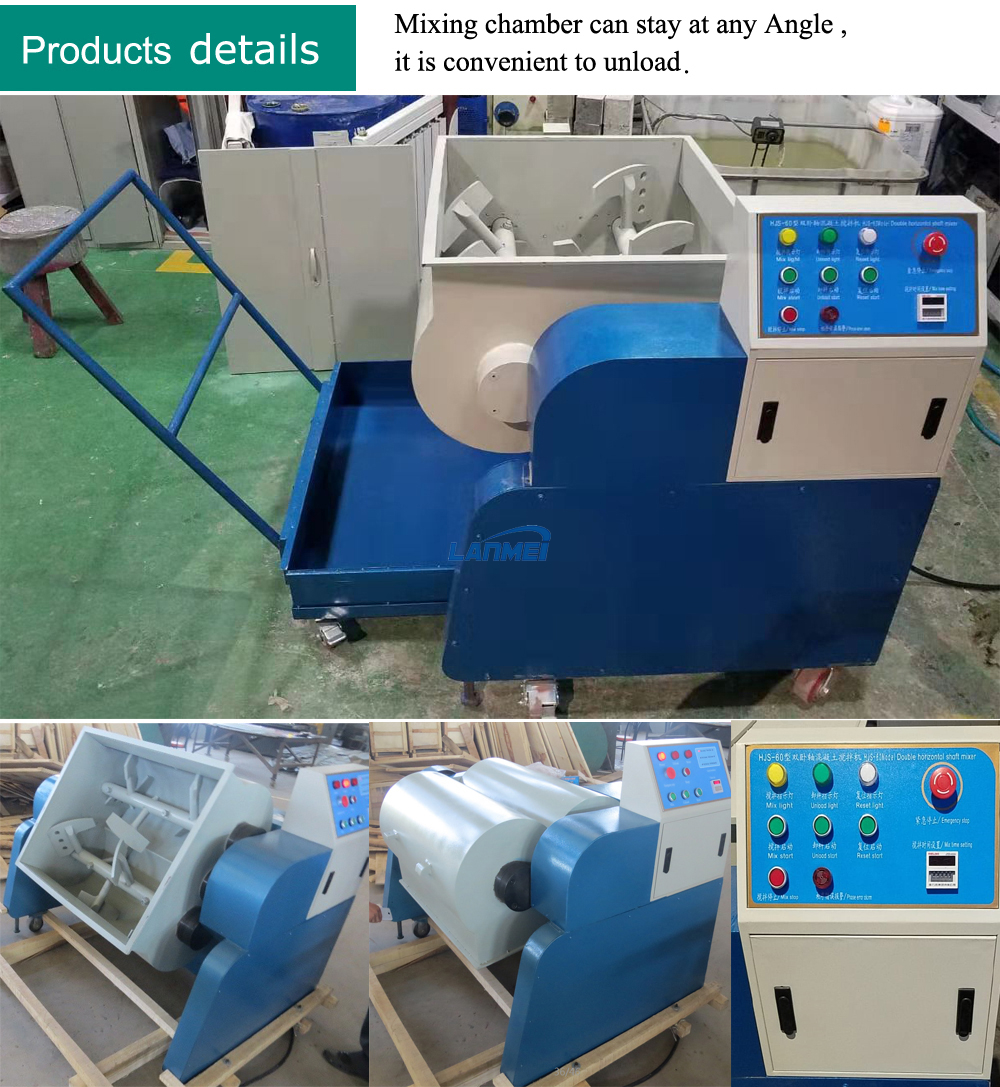
In the realm of material science, the adoption of the Laboratory sample Crusher has become critical for the agricultural and mineral sectors in Spain. Efficient sample homogenization is the foundation of accurate chemical analysis, driving the transition from manual grinding to automated, high-throughput crushing technologies.

Furthermore, the Spanish biomedical sector is increasingly integrating Cooling incubator units to support protein crystallography and enzyme stability studies, reflecting a nationwide shift toward high-tech biotech investments and European Union research grants.
Evolution of Testing Instruments in the Spanish Market

From mechanical stability to intelligent, automated thermal environments.

Market Development History

During the 1990s and early 2000s, the Spanish laboratory market relied heavily on basic mechanical incubators and manual crushing tools. Stability was achieved through sheer bulk, but precision was often compromised by analog controls.

Between 2010 and 2020, a digital revolution occurred. The introduction of microprocessor-controlled lab incubators allowed Spanish researchers to program complex temperature cycles, significantly reducing human error in biochemical assays.

Today, the market has entered the era of "Smart Labs." Integration with LIMS (Laboratory Information Management Systems) and the use of energy-efficient compressors in cooling systems have defined the current technological standard in Spain.

Future Development Trends

Hyper-Precision Thermal Mapping

Future systems will employ multi-point sensor arrays to eliminate temperature gradients within the chamber, ensuring 100% uniformity.

Eco-Friendly Refrigerants

In alignment with EU Green Deal mandates, Spain will transition to natural refrigerants in all cooling equipment to minimize carbon footprints.

AI-Driven Sample Processing

Integration of AI in sample crushing will allow for automated grain-size analysis in real-time, optimizing the efficiency of material testing.

Industry Trends and Future Outlook

Strategic technological trajectories for Spain's material testing industry.

IoT Connectivity
Real-time remote monitoring of incubation parameters via cloud platforms to ensure 24/7 sample security.
Modular Hardware
Customizable chamber sizes and shelving to adapt to diverse Spanish industrial research requirements.
Energy Optimization
Reducing power consumption in high-capacity incubators to meet Spanish energy efficiency regulations.
Automated Validation
Self-diagnostic software that automatically generates compliance reports for Spanish quality audits.

Industry Outlook

The trajectory for the Spanish instrumentation market suggests a convergence of mechanical robustness and digital intelligence. Search trends indicate a growing interest in "sustainability" and "remote lab management," suggesting that future growth will be driven by equipment that offers low operational costs and high reliability.

As Spain expands its role as a European hub for pharmaceutical R&D, the demand for specialized environments—such as highly precise biochemical incubators—will likely grow by 15% annually over the next five years.

Localized Application Scenarios in Spain

Real-world implementations across Spanish industries.

01. Agricultural Analysis in Almería

Using the Laboratory sample Crusher for the rapid homogenization of soil and leaf samples to optimize crop yield in Spain's primary greenhouse regions.

02. Pharmaceutical R&D in Barcelona

Implementing biochemical incubators for the stable cultivation of cell lines used in the development of next-generation biologics.

03. Food Quality Control in Valencia

Utilizing lab incubators to conduct accelerated shelf-life testing for exported Spanish citrus and olive oil products.

04. Biotechnology Research in Madrid

Applying Cooling incubator technology to maintain enzyme activity during high-precision protein sequencing experiments.

05. Environmental Monitoring in the Canary Islands

Deploying Lab BOO incubator systems to simulate various oceanic temperature profiles for studying marine biodiversity.

Brand Story

Global Development History of Cangzhou Lanmei Import and Export Trade Co., Ltd.

Foundational Excellence

Established with a mission to bridge the gap between industrial raw power and laboratory precision, focusing on the core needs of material testing.

Technological Expansion

Integrating advanced PID control systems and high-grade stainless steel alloys to redefine the durability of lab equipment.

European Market Entry

Customizing product lines to meet CE standards and the specific regulatory requirements of the European Union, including Spain.

Innovation Leadership

Developing a comprehensive ecosystem of sample preparation and thermal control instruments to solve complex lab workflow pain points.

Global Vision 2025

Striving to be the primary partner for Spain's research centers by providing sustainable, intelligent, and highly accurate instrumentation.

Complete Product Portfolio for the Spanish Market

A comprehensive range of instruments designed for Spanish laboratory standards.

Frequently Asked Questions - Spain

Expert answers to common technical queries in the Spanish instrument sector.

How do I choose the right biochemical incubators for Spanish humidity levels?

We recommend models with advanced humidity compensation and high-grade sealing to ensure that external coastal humidity in regions like Valencia does not affect the internal environment.

What is the maintenance cycle for a Laboratory sample Crusher in industrial use?

For high-throughput Spanish industrial labs, we suggest a quarterly inspection of the grinding chamber and a lubrication check every 500 operating hours to maintain precision.

Do your lab incubators comply with current EU energy efficiency ratings?

Yes, our instruments are engineered to meet the latest EU energy directives, utilizing high-density insulation and energy-efficient heating elements to reduce costs.

Can a Cooling incubator be integrated into an existing automated LIMS in Spain?

Absolutely. Our units feature RS485/USB interfaces and compatible protocols that allow seamless integration with most modern laboratory management software used in Spain.

What distinguishes the Lab BOO incubator from standard models?

The Lab BOO series offers enhanced thermal recovery times and a more robust interior design, making it ideal for frequent-access samples in busy Spanish research hubs.

Which sample crusher is best for hard mineral samples found in Spain?

For hard mineral samples, we recommend our heavy-duty tungsten carbide alloy series, which provides the necessary impact force without contaminating the sample.

Request a Technical Consultation

Our experts are ready to help you optimize your laboratory infrastructure in Spain. Contact us for a customized solution today.

Contact Us Now
Leave Your Message

If you are interested in our products, you can choose to leave your information here, and we will be in touch with you shortly.