Advanced Material Testing Solutions for biochemical incubators in Myanmar

Precision-engineered laboratory instrumentation designed to optimize sample preparation and environmental control for Myanmar's growing industrial and research sectors.

Advanced Material Testing Solutions for biochemical incubators in Myanmar

Providing high-performance thermal control and sample processing equipment tailored for the unique climatic and industrial requirements of Southeast Asian laboratories.

Current State of Laboratory Instrumentation in Myanmar

Analyzing the intersection of tropical climate challenges and industrial modernization.

Myanmar's laboratory landscape is currently undergoing a transition from basic manual testing to automated precision. Due to the high ambient humidity and temperature of the region, the demand for stable Cooling incubator units has surged to ensure the integrity of biological samples and chemical reagents.

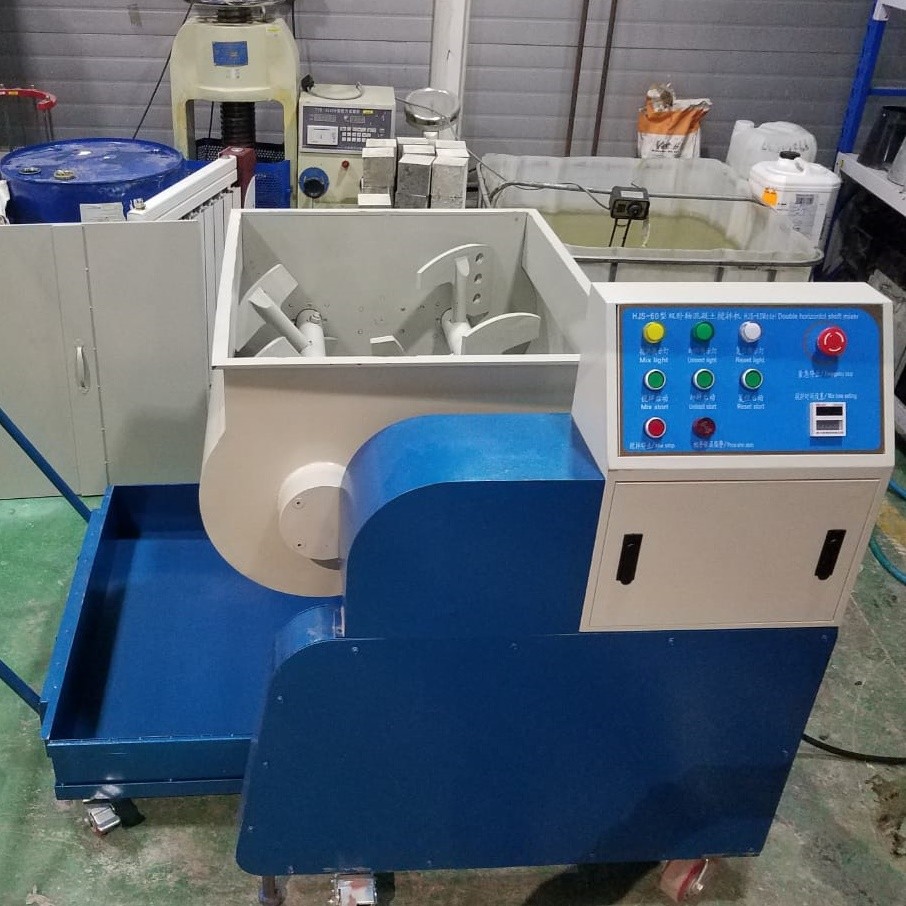
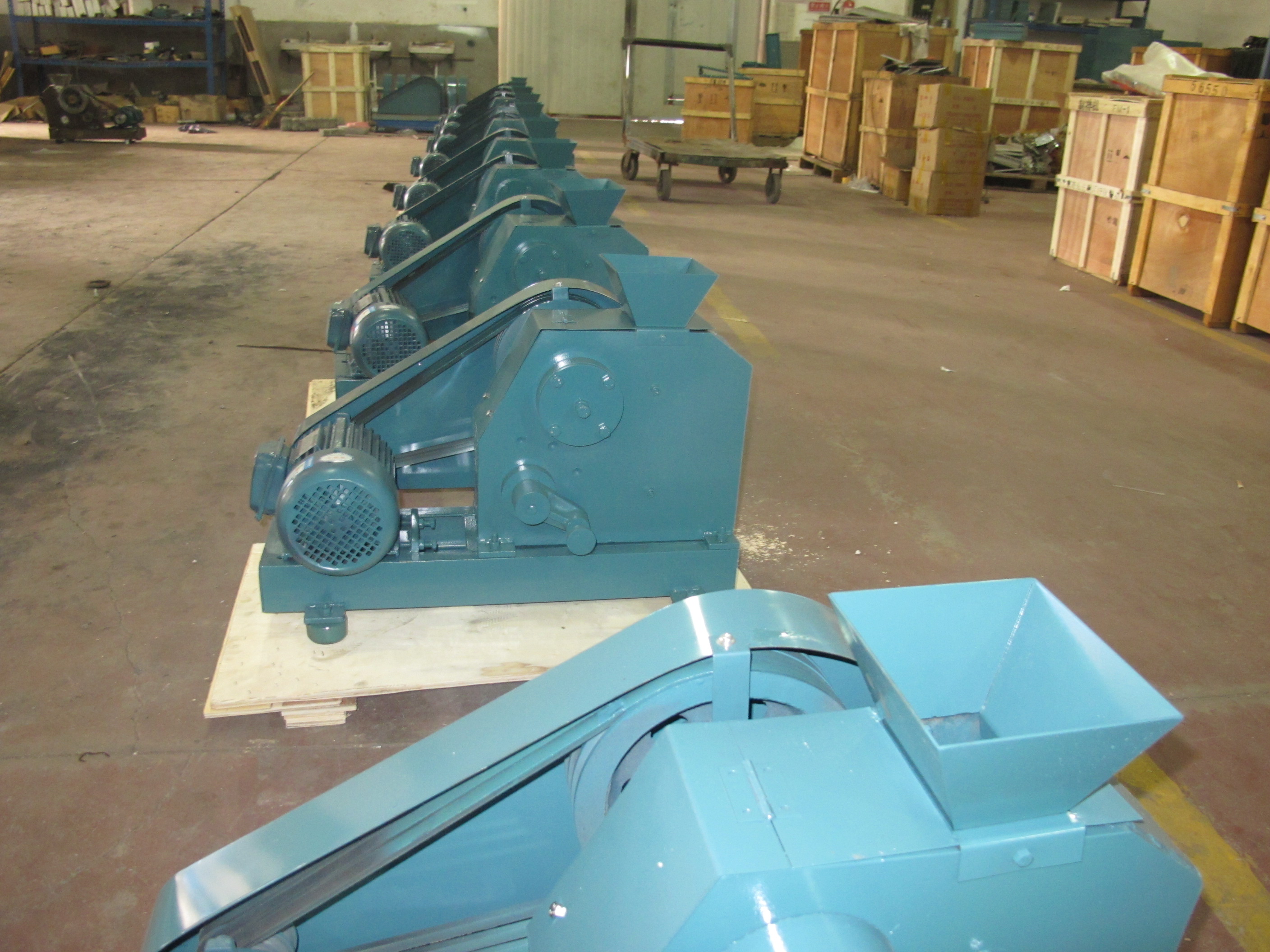
The manufacturing sector, particularly in food processing and textile testing, is increasingly integrating a Laboratory sample Crusher to standardize raw material analysis. However, frequent power fluctuations in industrial zones remain a significant challenge for sensitive electronic instrumentation.

There is a noticeable shift toward multidisciplinary research, where lab incubators are no longer just for microbiology but are being utilized in advanced material science to simulate aging and degradation under controlled thermal stress.
Evolution and Technical Trajectory of Testing Equipment

From traditional thermal boxes to intelligent digital incubation systems.

Market Development History

In the early 2000s, Myanmar's laboratories relied heavily on basic mechanical incubators with wide temperature variances. These early systems lacked precise PID control, often leading to inconsistent results in biochemical assays.

Between 2010 and 2020, the introduction of digital controllers revolutionized the market. This era saw the widespread adoption of biochemical incubators that could maintain stability within ±0.5°C, enabling more complex pharmacological research.

From 2021 onwards, the focus has shifted toward energy efficiency and "Smart Lab" integration. Modern systems now incorporate IoT monitoring and high-efficiency compressors to handle the extreme external heat of the Myanmar summer.

Future Development Trends

AI-Driven Environmental Control

Integration of machine learning to predict temperature drifts and automatically adjust heating/cooling cycles to maintain absolute stability.

Eco-Friendly Refrigeration

Transitioning to natural refrigerants in Cooling incubator models to comply with global green initiatives and reduce the carbon footprint of local labs.

Modular Sample Processing

The evolution of the Laboratory sample Crusher into modular systems that combine crushing, mixing, and weighing in a single automated workflow.

Industry Trends and Future Outlook

Strategic forecasts for the material testing and incubation sector in Asia.

Precision Thermal Stability
Increased demand for lab incubators with ultra-precise temperature uniformity to support sensitive biotech startups.
Automated Sample Prep
Integrating high-capacity Laboratory sample Crusher units into automated conveyor lines for mining analysis.
Digital Lab Ecosystems
Transitioning toward Lab BOO incubator systems that sync with LIMS for real-time data logging.
Climate-Resilient Design
Developing reinforced insulation and advanced cooling circuits to combat the tropical heat of Myanmar's coastal regions.

Industry Outlook

Over the next 3-5 years, the Myanmar market will see a significant increase in the adoption of high-end biochemical incubators as the pharmaceutical sector expands. Google search trends indicate a rising interest in "automated lab equipment" and "energy-efficient incubators" within the region.

Furthermore, as Myanmar aligns more closely with international ISO standards, the demand for certified material testing equipment, including precise crushing and thermal cycling tools, will drive the market toward premium, high-durability brands.

Localized Application Scenarios in Myanmar

Real-world implementations of testing instrumentation in regional industries.

01. Agricultural Soil Analysis in the Ayeyarwady Delta

Utilizing a Laboratory sample Crusher to process soil and crop samples for nutrient analysis, helping farmers optimize fertilizer use in the delta region.

02. Pharmaceutical Quality Control in Yangon

Deployment of biochemical incubators for the stability testing of essential medicines, ensuring potency despite high external humidity.

03. Marine Biology Research in Myeik Archipelago

Using Cooling incubator systems to preserve sensitive marine microorganisms at precise low temperatures for biodiversity studies.

04. Textile Material Testing in Mandalay

Implementing lab incubators to simulate accelerated weathering and thermal aging on fabric samples for export quality assurance.

05. Food Safety Inspection in Naypyidaw

Integration of Lab BOO incubator units for rapid microbial screening of imported food products to ensure public health standards.

Brand Story

Global Development Journey of Cangzhou Lanmei Import and Export Trade Co., Ltd.

Foundation and Vision

Established with a commitment to bridge the gap between high-end manufacturing and laboratory needs, focusing on precision and durability.

Technical Breakthroughs

Developed proprietary thermal control algorithms that reduced energy consumption in incubators by 20% while improving stability.

Market Expansion

Successfully entered the Southeast Asian market, adapting product designs to withstand tropical climates and erratic power grids.

Quality Certification

Achieved global ISO and CE certifications, ensuring that every piece of equipment meets the most stringent international laboratory standards.

Future Mission

Aiming to empower Myanmar's scientific community by providing affordable, high-precision instrumentation for sustainable development.

Complete Laboratory Portfolio for Myanmar

Comprehensive solutions from sample preparation to environmental incubation.

Myanmar Laboratory Equipment FAQ

Expert answers to common technical and logistical questions in the region.

How to maintain a Cooling incubator in high-humidity regions like Myanmar?

We recommend using an external voltage stabilizer and ensuring the unit is placed in a well-ventilated area. Regularly cleaning the condenser coils prevents dust buildup, which is common in tropical environments.

What is the best Laboratory sample Crusher for hard mineral samples?

For hard minerals found in Myanmar's mining sector, we suggest our high-torque tungsten carbide crushers, which offer superior wear resistance and consistent particle size distribution.

Can biochemical incubators handle frequent power outages?

Our professional-grade biochemical incubators feature auto-restart functions and memory backup, ensuring that your settings are preserved after a power failure, though a UPS is highly recommended.

What distinguishes Lab BOO incubator from standard lab incubators?

The Lab BOO series features enhanced oxygen control and optimized airflow patterns, making them ideal for specialized aerobic and anaerobic biochemical research compared to basic models.

Are your lab incubators compliant with international ISO standards?

Yes, all our instrumentation is manufactured according to ISO 9001 quality management systems and carries CE certification, ensuring they meet global laboratory requirements.

What is the typical lead time for shipping equipment to Yangon?

Depending on the equipment size and shipping method, delivery typically takes 3-5 weeks. We provide full customs documentation to ensure a smooth import process into Myanmar.

Get Expert Consultation for Your Lab

Upgrade your research capabilities with precision instrumentation. Our team is ready to support the industrial growth of Myanmar.

Contact Us Now
Leave Your Message

If you are interested in our products, you can choose to leave your information here, and we will be in touch with you shortly.