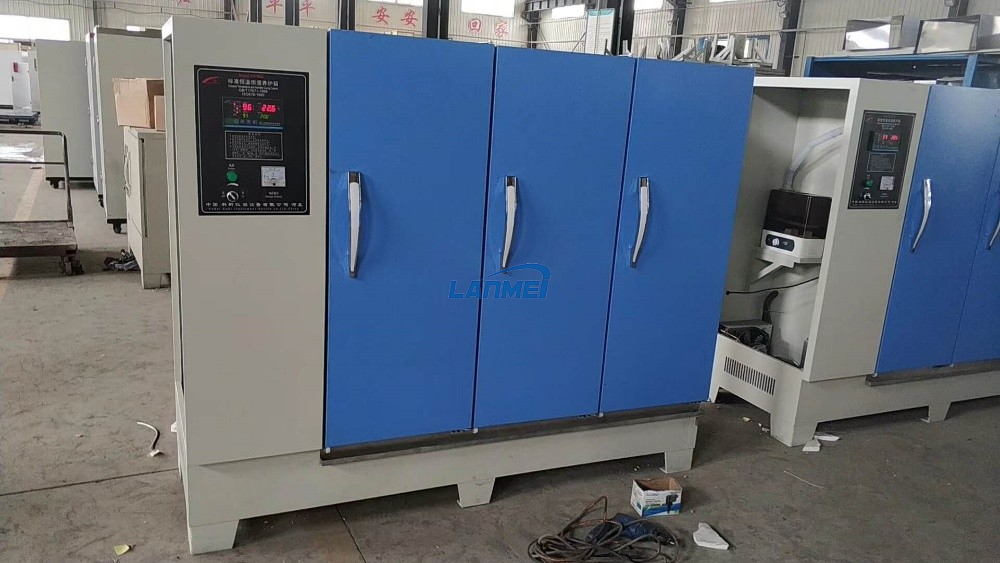
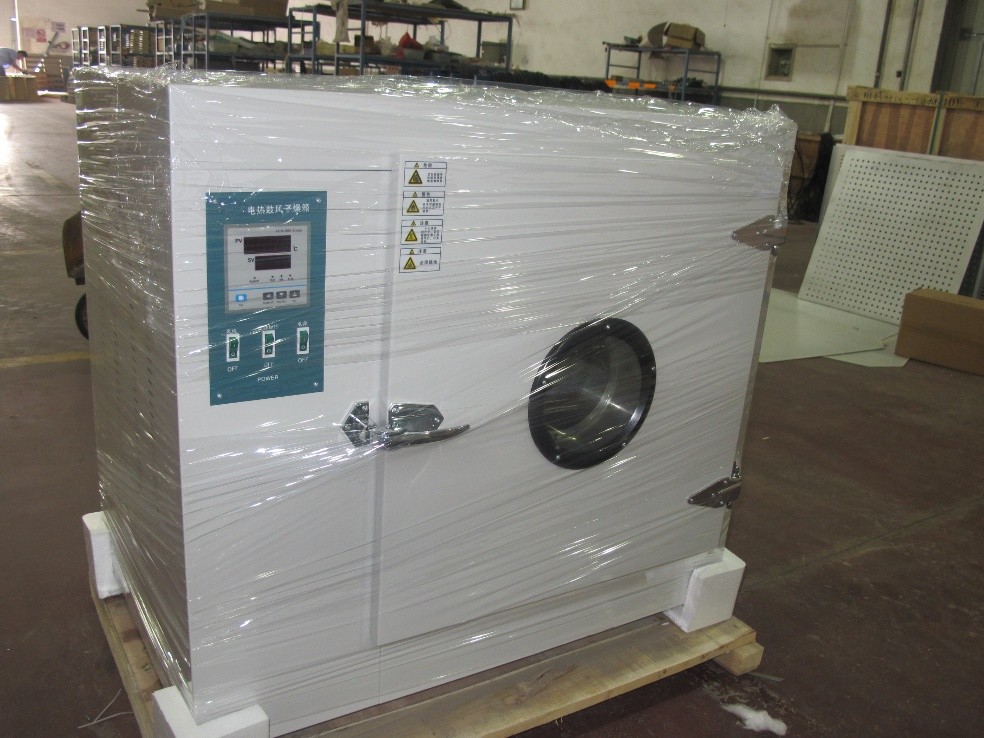
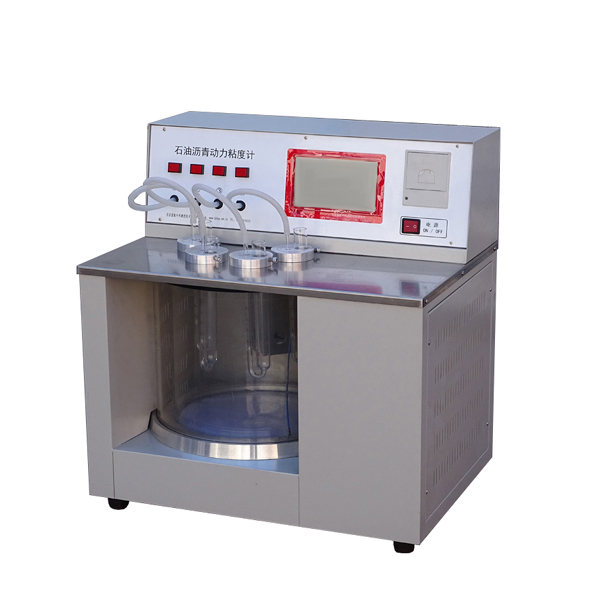
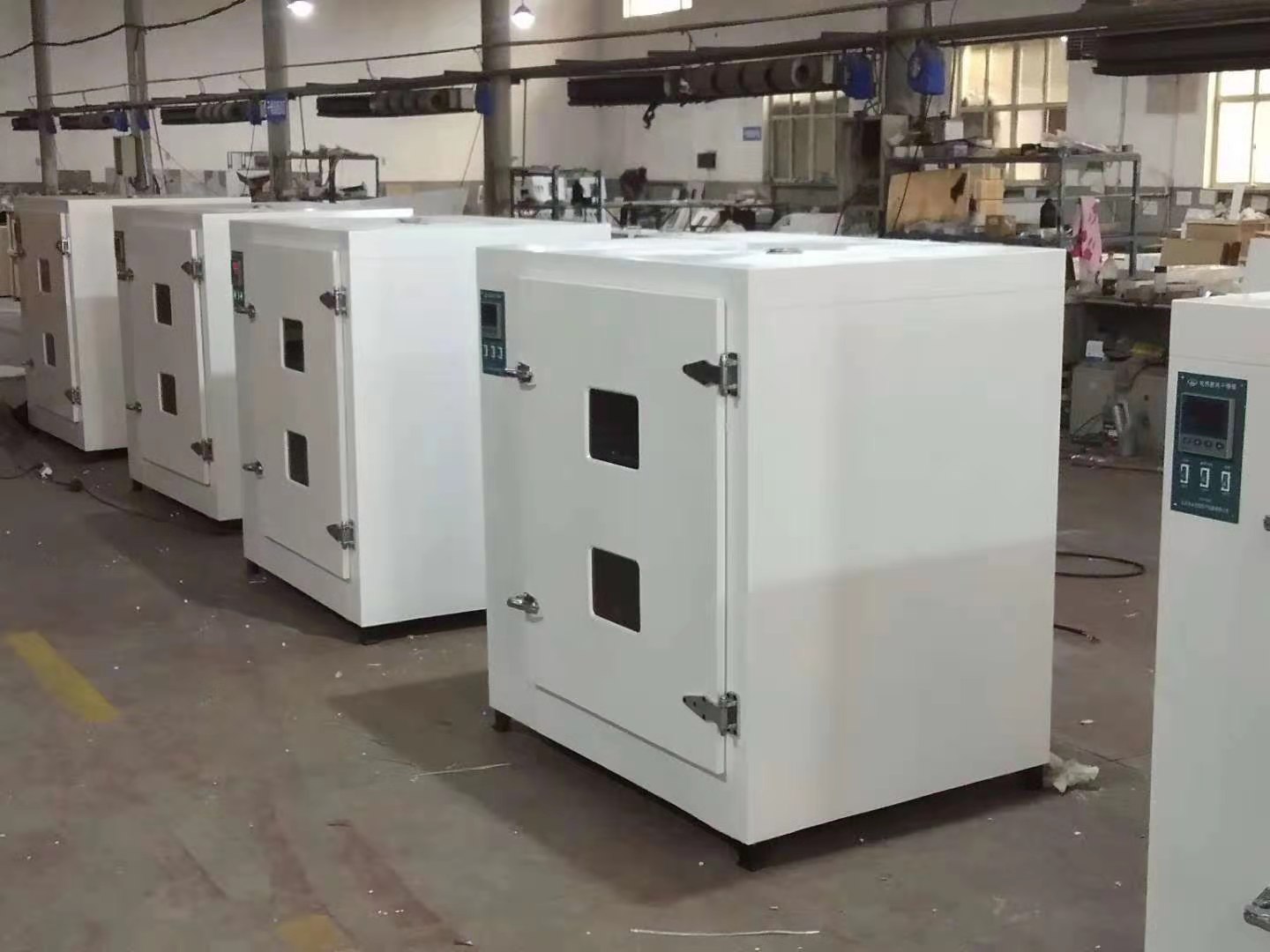
Precision Laboratory Solutions for Mauritius: Advanced biochemical incubators

Empowering Mauritian research and manufacturing sectors with high-performance material testing and sample processing instrumentation tailored for tropical maritime climates.

Precision Laboratory Solutions for Mauritius: Advanced biochemical incubators

We provide an integrated ecosystem of testing instruments, from sample preparation with a Laboratory sample Crusher to precise environmental control using lab incubators, ensuring global standards in the heart of the Indian Ocean.

The Landscape of Laboratory Instrumentation in Mauritius

Analyzing the intersection of high-humidity environments and precise material testing requirements.

Mauritius, with its strategic position in Africa, has seen a surge in pharmaceutical and food processing industries. However, the tropical maritime climate presents unique challenges for instrument stability. High humidity and salinity can lead to rapid corrosion of standard laboratory equipment, making the demand for high-grade biochemical incubators critical for maintaining sample integrity.

Currently, many local facilities rely on imported legacy systems that lack energy efficiency. The transition toward "Smart Labs" is evident, where researchers are seeking integrated solutions like the Lab BOO incubator to automate temperature cycles and reduce human error in biochemical assays.

Furthermore, the growth of the sugar and textile sectors in Mauritius has intensified the need for rigorous material testing. This has led to an increased adoption of the Laboratory sample Crusher to ensure homogeneous sampling before chemical analysis, bridging the gap between raw material intake and quality control.
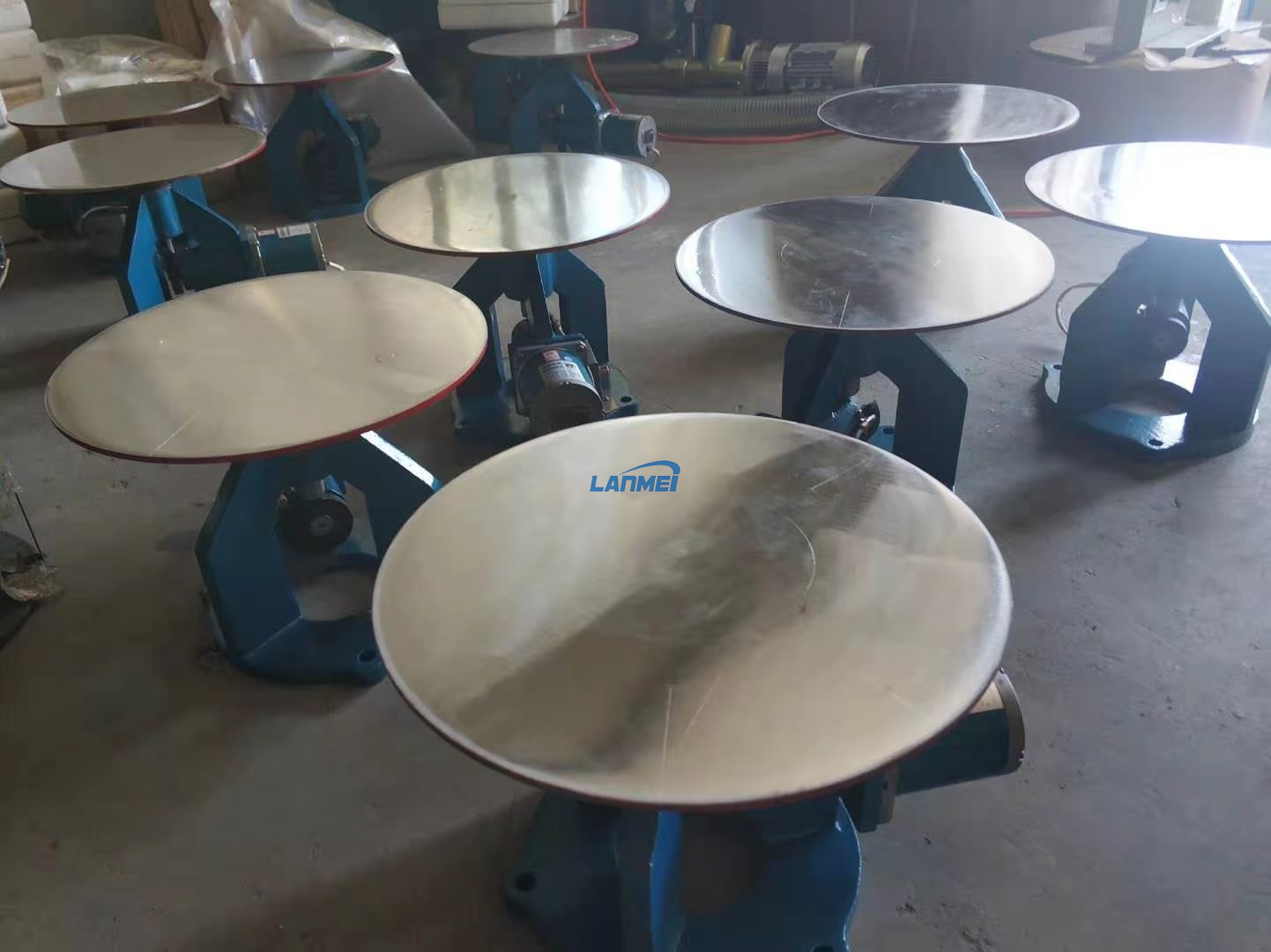
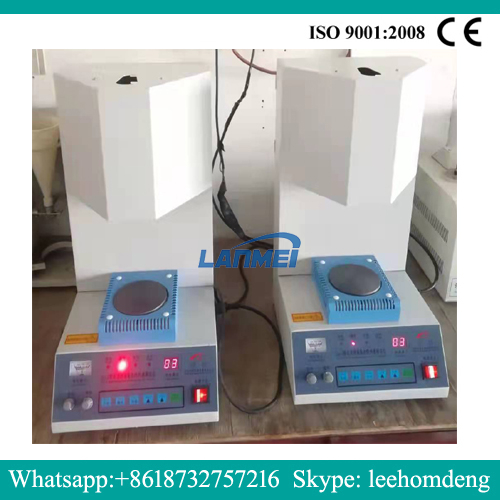
Evolution and Trajectory of Testing Technology in Mauritius

From manual sampling to automated precision environmental control.

Market Development History

In the early 2000s, laboratory work in Mauritius was characterized by manual processes and basic heating baths. The primary focus was on basic agricultural testing with limited precision in temperature control.

Between 2010 and 2020, there was a significant shift toward standardized lab incubators. This era marked the introduction of digital PID controllers, allowing local scientists to replicate international research protocols more accurately.

Since 2021, the market has entered the "Precision Era." The integration of Cooling incubator technology has allowed for advanced enzyme studies and refrigerated incubation, essential for the burgeoning biotech sector in Mauritius.

Future Development Trends

AI-Driven Thermal Management

We predict a move toward predictive maintenance in incubators, where sensors anticipate component failure before it affects the samples.

Eco-Friendly Refrigeration

Transitioning to natural refrigerants in cooling systems to align with Mauritius's strict environmental protection laws and "Green Island" initiatives.

Miniaturization of Sample Prep

The evolution of the sample crusher toward ultra-compact, low-noise designs for urban laboratory spaces in Port Louis.

Industry Trends and Future Outlook

Navigating the future of material testing and biochemical incubation.

Digital Transformation
Implementation of IoT-connected Lab BOO incubator systems for remote monitoring via mobile devices.
Energy Efficiency
Developing low-power consumption Cooling incubator units to reduce operational costs.
Material Durability
Enhanced anti-corrosion coatings for all chassis to withstand the saline air of coastal Mauritius.
Precision Sampling
Next-gen Laboratory sample Crusher models with integrated particle size analysis.

Industry Outlook

Google search trends indicate a growing interest in "Sustainable Lab Infrastructure" within the African region. For Mauritius, this translates into a demand for instruments that balance high precision with minimal environmental impact, moving away from disposable components toward modular, repairable systems.

The future will see a convergence of material science and biotechnology. We expect a 25% increase in the adoption of multi-functional lab incubators that can handle both aerobic and anaerobic environments, supporting the diversification of the local biotech economy.

Localized Application Scenarios in Mauritius

Real-world implementations of our instrumentation across various Mauritian sectors.

01. Sugar Cane Quality Analysis

Utilizing the Laboratory sample Crusher to process fibrous sugar cane samples for rapid sucrose and impurity testing in regional mills.

02. Tropical Pharmaceutical R&D

Employing biochemical incubators to simulate varying tropical temperatures for stability testing of temperature-sensitive medications.

03. Marine Biology Research

Using Cooling incubator systems to preserve delicate coral reef microbial cultures at precise low temperatures.

04. Food Safety Inspections

Deploying lab incubators for the rapid incubation of foodborne pathogens in seafood export quality control labs.

05. Specialized Biotech Startups

Implementing the Lab BOO incubator for precise fermentation control in the production of local organic enzymes.

Brand Story

Global Development Journey of Cangzhou Lanmei Import and Export Trade Co., Ltd.

Foundational Excellence

Established with a mission to bridge the gap between high-end engineering and practical laboratory needs, focusing on durable material testing tools.

Technical Innovation

Developed proprietary thermal stabilization algorithms to improve the accuracy of biochemical incubation systems worldwide.

Global Expansion

Successfully entered the African market, adapting our product line to handle extreme humidity and power fluctuation challenges.

Quality Certification

Achieved international ISO and CE certifications, ensuring our instruments meet the strictest global laboratory safety standards.

Future Commitment

Dedicated to providing Mauritius and the world with sustainable, intelligent, and precise laboratory instrumentation for the next generation of science.

Comprehensive Product Portfolio for Mauritius

A curated selection of instruments designed for efficiency, precision, and durability in maritime climates.

Frequently Asked Questions in Mauritius

Expert answers to the most common technical queries from our local clients.

How does high humidity in Mauritius affect my biochemical incubators?

High humidity can cause sensor drift and chassis oxidation. Our instruments feature specialized moisture-resistant coatings and sealed electronic compartments to ensure long-term stability.

Which Laboratory sample Crusher is best for fibrous agricultural materials?

For fibrous materials like sugar cane, we recommend our heavy-duty hammer-mill style crusher which prevents clogging and ensures a uniform particle size.

Can a Cooling incubator handle frequent power fluctuations?

Yes, our models include integrated voltage stabilization and automatic restart functions to protect your samples during power instability.

What is the difference between standard lab incubators and Lab BOO incubator models?

The Lab BOO series offers advanced programmable cycling and precision airflow control, whereas standard models provide constant temperature environments.

How often should I calibrate my biochemical incubators in a tropical climate?

Given the temperature fluctuations in Mauritius, we recommend a quarterly calibration schedule to maintain ISO compliance.

Are your lab incubators compatible with 220V/50Hz power systems?

Absolutely. All our instruments are configured to the Mauritian electrical standards for seamless plug-and-play installation.

Connect With Our Technical Experts

Ready to upgrade your laboratory infrastructure in Mauritius? Our engineers are available to provide tailored consultations for your specific testing needs.

Contact Us Now
Leave Your Message

If you are interested in our products, you can choose to leave your information here, and we will be in touch with you shortly.