0%

Table of Contents

The Electrical Marshall Compactor stands as a vital piece of equipment in civil engineering and material science, essential for determining the density of soil and aggregate mixtures. Its importance stems from its critical role in ensuring the stability and longevity of infrastructure projects such as roads, foundations, and embankments. Understanding the principles and applications of the Electrical Marshall Compactor is crucial for engineers and technicians alike, ensuring quality control and adherence to industry standards globally.

Worldwide, the demand for robust and reliable compaction testing is ever-increasing, driven by rapid urbanization and infrastructure development, particularly in emerging economies. Organizations like the ASTM International and ISO have established standardized testing procedures utilizing the Electrical Marshall Compactor, reflecting its international recognition and significance. Effective utilization translates directly into enhanced safety, reduced project costs, and minimized environmental impact through optimized material usage.

The Electrical Marshall Compactor addresses the challenge of inconsistent soil compaction, a major factor contributing to infrastructure failures. By providing precise measurements of density, it allows for proactive adjustments during construction, preventing costly repairs and ensuring long-term structural integrity. It’s a cornerstone of quality assurance, impacting the safety and sustainability of built environments across the globe.

Electrical Marshall Compactor

Introduction to Electrical Marshall Compactor
Electrical Marshall Compactor

The Electrical Marshall Compactor is an essential tool for assessing the density and strength of materials used in road construction, foundation building, and other civil engineering projects. Its accurate measurements are foundational for ensuring structural integrity and preventing failures. Proper compaction is paramount for the longevity of infrastructure, and this machine provides the precision needed to achieve optimal results.

The integration of electrical systems into traditional Marshall compaction techniques represents a significant advancement, offering enhanced control, data logging capabilities, and overall efficiency. This technology streamlines the testing process and delivers more reliable data, leading to better quality control and informed decision-making in the field.

Defining the Electrical Marshall Compactor

An Electrical Marshall Compactor is a laboratory device used to determine the maximum dry density and optimum moisture content of soil and aggregate mixtures. It utilizes a standardized compaction process – a weighted hammer repeatedly dropping from a fixed height – to simulate the compaction achieved by field equipment. The “electrical” aspect refers to the automated control systems and data acquisition features integrated into modern versions of the machine.

This testing is critical for verifying that materials meet specific engineering requirements outlined in construction specifications. The data obtained directly impacts the selection of appropriate materials, the design of stable foundations, and the overall performance of roadways and other infrastructure. Without accurate compaction testing, there's a heightened risk of structural weaknesses and premature failure.

The Electrical Marshall Compactor bridges the gap between laboratory precision and real-world construction needs. By providing a standardized method for evaluating material properties, it ensures consistent quality and reliability across various projects, contributing to the development of safe and sustainable infrastructure.

Key Components and Operational Principles

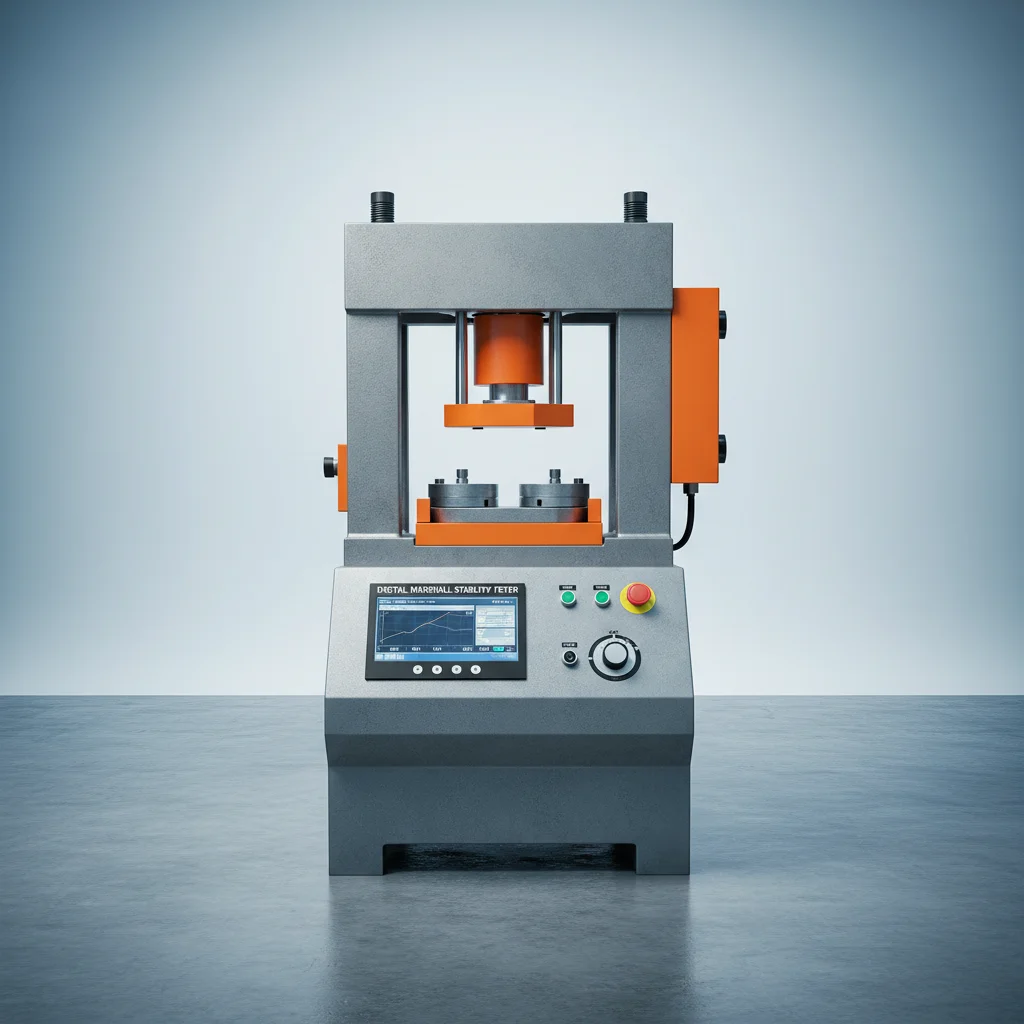
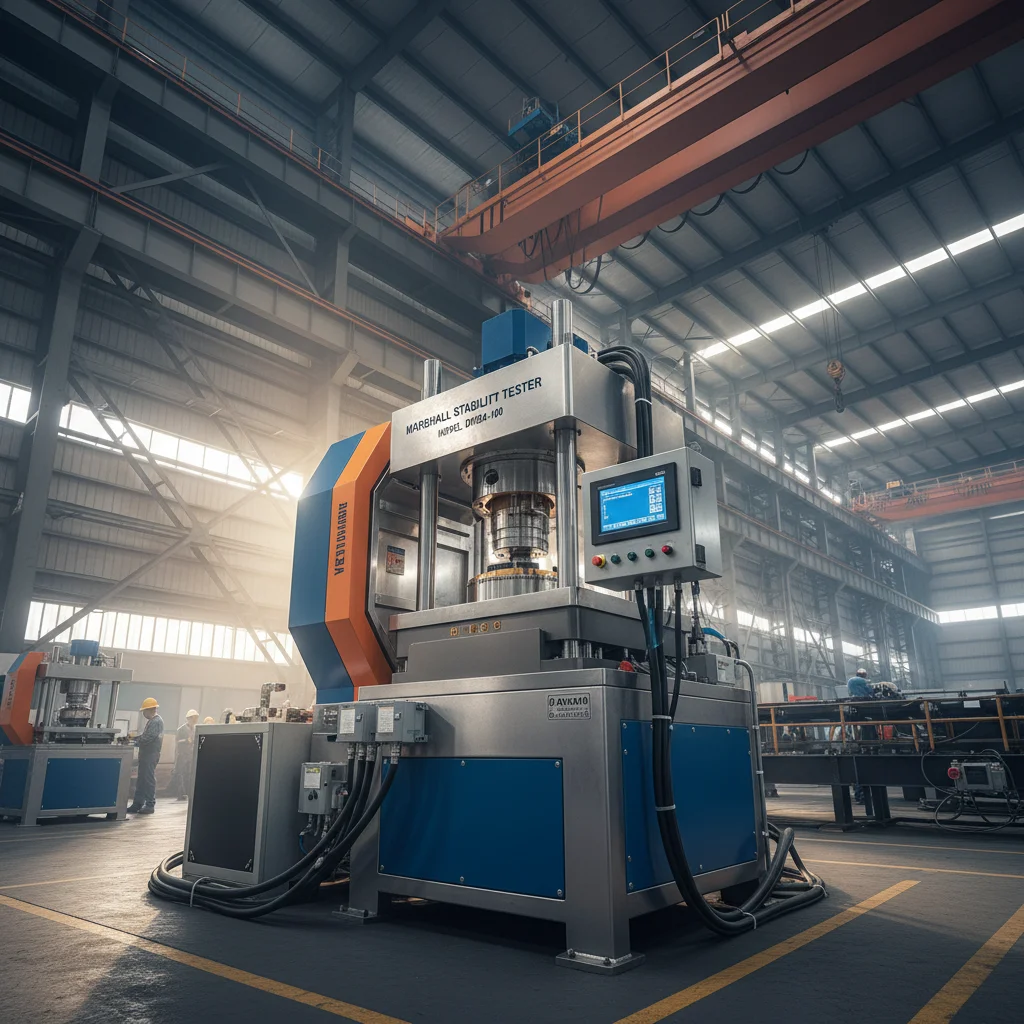
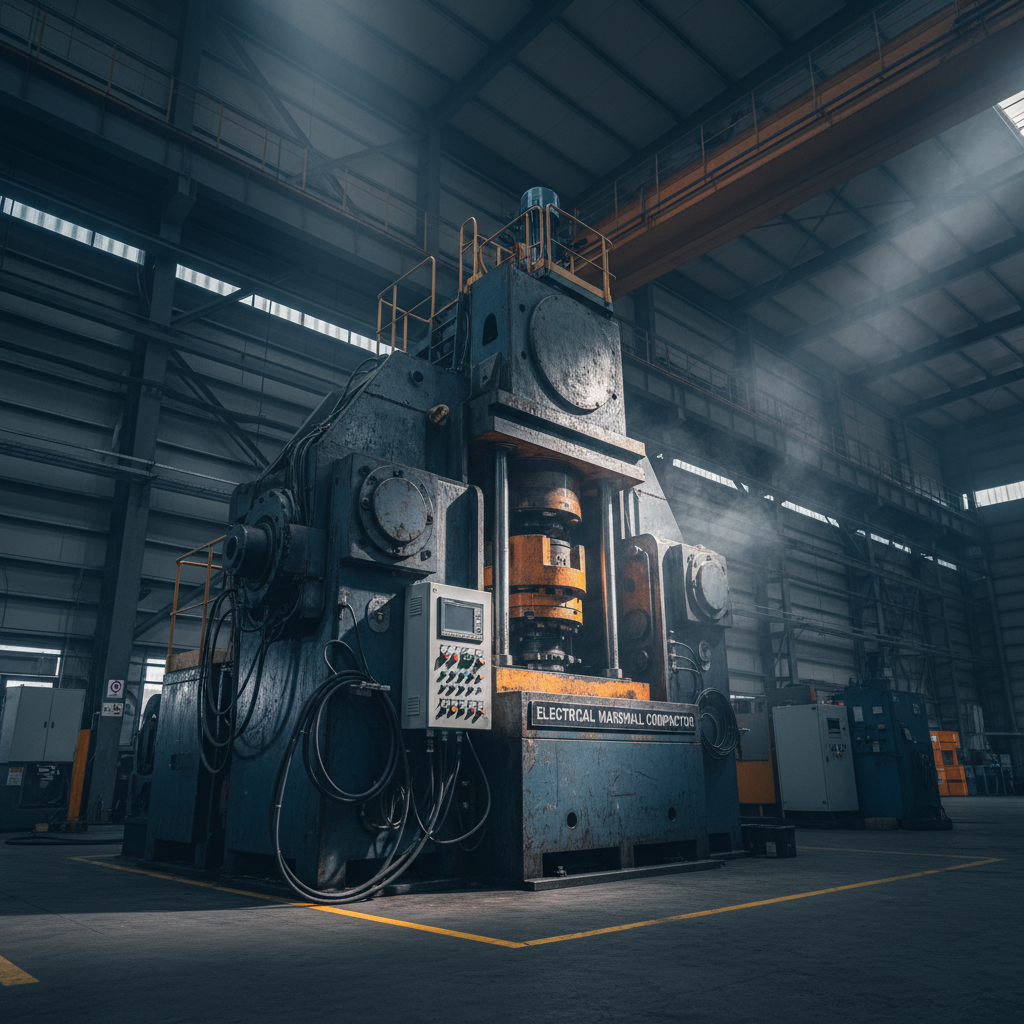
The core of the Electrical Marshall Compactor consists of a mold, a hammer, a compaction table, and a control system. The mold holds the soil or aggregate specimen, while the hammer delivers the compaction energy. The compaction table provides a solid base, and the control system manages the automated lifting and dropping of the hammer, ensuring consistent compaction force. Modern units incorporate digital displays, data logging, and programmable parameters.

The operational principle is based on simulating the compaction process used in road construction. Specimens are prepared with varying moisture content, then compacted using a specified number of blows per layer. The density of each specimen is then measured, and a curve is plotted to determine the maximum dry density and optimum moisture content. These parameters are crucial for achieving proper compaction in the field.

The Electrical Marshall Compactor accurately replicates field conditions, offering a standardized and repeatable process. This ensures reliable data and allows for meaningful comparisons between different material mixes. The automated control systems ensure consistency, minimizing human error and enhancing the accuracy of the results. Electrical Marshall Compactor are designed to meet stringent industry standards.

Durability and Reliability of Electrical Marshall Compactors

The longevity and consistent performance of an Electrical Marshall Compactor are crucial for maintaining quality control and minimizing downtime. High-quality machines are typically constructed with robust steel frames and precision-engineered components, designed to withstand the repetitive stress of daily use. Regular maintenance, including lubrication and inspection of wear parts, is essential for ensuring optimal function.

Reliability stems from the design and quality of the electrical control system. Components should be sourced from reputable manufacturers and shielded from environmental factors like dust and moisture. Automated features should be thoroughly tested and calibrated to prevent errors. A well-maintained Electrical Marshall Compactor delivers consistent and trustworthy data, minimizing the risk of inaccurate results.

Electrical Marshall Compactor Reliability Assessment

Global Applications of Electrical Marshall Compactor

The Electrical Marshall Compactor finds applications across a wide range of civil engineering projects worldwide. In road construction, it ensures that sub-base and base layers are adequately compacted to support traffic loads. It is also indispensable in the construction of airport runways, railway embankments, and dam foundations, where stability is paramount.

In post-disaster relief operations, the Electrical Marshall Compactor can be used to quickly assess the suitability of existing materials for rebuilding infrastructure, allowing for rapid restoration of essential services. Developing countries often rely on this technology to ensure the quality of road networks and improve transportation infrastructure, fostering economic growth.

Advantages and Long-Term Value

The benefits of utilizing an Electrical Marshall Compactor extend far beyond immediate construction quality. Accurate compaction leads to increased road lifespan, reducing maintenance costs and minimizing disruptions. Improved material performance translates to safer infrastructure, enhancing public safety and reducing the risk of accidents. This delivers substantial long-term economic value.

Furthermore, consistent compaction testing contributes to more sustainable construction practices by optimizing material usage and reducing waste. The electrical control systems offer increased efficiency, saving time and labor costs. The peace of mind that comes from knowing that infrastructure is built to last builds trust in engineering projects and promotes responsible development.

Future Trends in Compaction Testing

The future of compaction testing will likely involve greater integration with digital technologies and a focus on automation. Real-time data analysis and cloud connectivity will enable remote monitoring of compaction progress and immediate identification of potential issues. The development of sensors capable of measuring compaction in-situ, without the need for laboratory testing, is also a promising area of innovation.

Sustainability will also drive advancements, with a focus on reducing the environmental impact of testing procedures. The use of eco-friendly materials in machine construction and the development of energy-efficient designs will become increasingly important. Furthermore, the incorporation of artificial intelligence (AI) to analyze data and predict compaction behavior could revolutionize the field.

These trends will allow for more efficient, accurate, and sustainable infrastructure development, and the Electrical Marshall Compactor will remain a foundational element in this evolution, adapting to meet the changing demands of the construction industry.

Summary of Key Electrical Marshall Compactor Operational Parameters

Parameter Type Unit of Measurement Typical Range Significance to Compaction
Hammer Weight kg 2.5, 4.5, 5.5 Determines compaction energy
Drop Height mm 305, 457 Influences compaction energy
Number of Blows - 56, 100, 200 Controls the level of compaction
Specimen Moisture Content % 5-20 Critical for achieving optimum density
Specimen Diameter mm 101.6 Standard size for consistent testing
Dry Density g/cm³ 1.2-2.0 Primary indicator of compaction quality

FAQS

What is the primary purpose of using an Electrical Marshall Compactor?

The primary purpose of an Electrical Marshall Compactor is to determine the maximum dry density and optimum moisture content of soil or aggregate mixtures. This is critical for ensuring that materials are properly compacted in the field, leading to stable and durable infrastructure. The test simulates the compaction achieved by road-building equipment, allowing engineers to predict and control the performance of materials under load.

How does an Electrical Marshall Compactor differ from manual compaction testing?

Electrical Marshall Compactors offer greater consistency and accuracy compared to manual methods. The automated hammer drop ensures a uniform compaction force, reducing human error. Modern units often include data logging and digital displays, streamlining the testing process and providing detailed results. Manual testing is more susceptible to variability and requires greater operator skill.

What types of materials can be tested with an Electrical Marshall Compactor?

The Electrical Marshall Compactor is suitable for testing a wide range of materials used in road construction and foundation building, including soils, aggregates, and asphalt mixtures. It is commonly used for evaluating the compaction characteristics of sub-base, base, and surface course materials, ensuring they meet the required engineering specifications.

What maintenance is required to keep an Electrical Marshall Compactor functioning properly?

Regular maintenance is crucial for ensuring accurate and reliable results. This includes lubricating moving parts, inspecting the hammer and mold for wear, calibrating the control system, and cleaning the machine after each use. Following the manufacturer's recommendations for maintenance will significantly extend the lifespan of the equipment.

What safety precautions should be taken when operating an Electrical Marshall Compactor?

Safety is paramount when operating an Electrical Marshall Compactor. Always wear appropriate personal protective equipment, including safety glasses and hearing protection. Ensure the machine is properly grounded and that all safety guards are in place. Never reach into the compaction chamber while the machine is in operation, and follow all manufacturer’s safety guidelines.

How do I interpret the results obtained from an Electrical Marshall Compactor test?

The results from an Electrical Marshall Compactor test are used to determine the maximum dry density (the highest density achievable) and the optimum moisture content (the moisture level at which maximum density is achieved). These parameters are critical for ensuring proper compaction in the field. Comparing the field density to the maximum dry density verifies that the material has been adequately compacted.

Conclusion

In conclusion, the Electrical Marshall Compactor remains an indispensable tool for ensuring the quality, safety, and longevity of civil engineering projects worldwide. Its ability to accurately determine the optimum compaction parameters for soil and aggregate mixtures translates directly into reduced maintenance costs, improved infrastructure performance, and enhanced public safety. As technology advances, we can expect to see even more sophisticated and automated systems, further solidifying its vital role in the construction industry.

Looking ahead, continued innovation in compaction testing will be crucial for meeting the challenges of a growing global population and increasing infrastructure demands. By embracing new technologies and prioritizing sustainability, we can build a more resilient and efficient future. To learn more about our range of compaction testing equipment, including the Electrical Marshall Compactor, visit our website today: www.czlabinstrument.com.

Daniel Wilson

Daniel Wilson

Daniel Wilson is the Logistics Manager at Cangzhou Blue Beauty Instrument Co., Ltd., responsible for efficient procurement, transportation, and delivery of materials and finished products. He expertly manages the supply chain, ensuring timely production and on-time deliveries to customers worldwide. Daniel’s strong organizational skills and attention to detail are crucial for streamlining logistics operations and minimizing disruptions. He works closely with suppliers and freight partners to optimize costs and maintain product integrity during transit. He’s committed to implementing robust inventory management systems and ensuring compliance with international shipping regulations. He has a background in supply chain management and a proven ability to handle complex logistical challenges.
Previous Advancements and Practical Applications of Soil Testing Tools Globally
Next Understanding the Marshall Compactor for Test Specimen and its Role in Pavement Engineering
Leave Your Message

If you are interested in our products, you can choose to leave your information here, and we will be in touch with you shortly.