
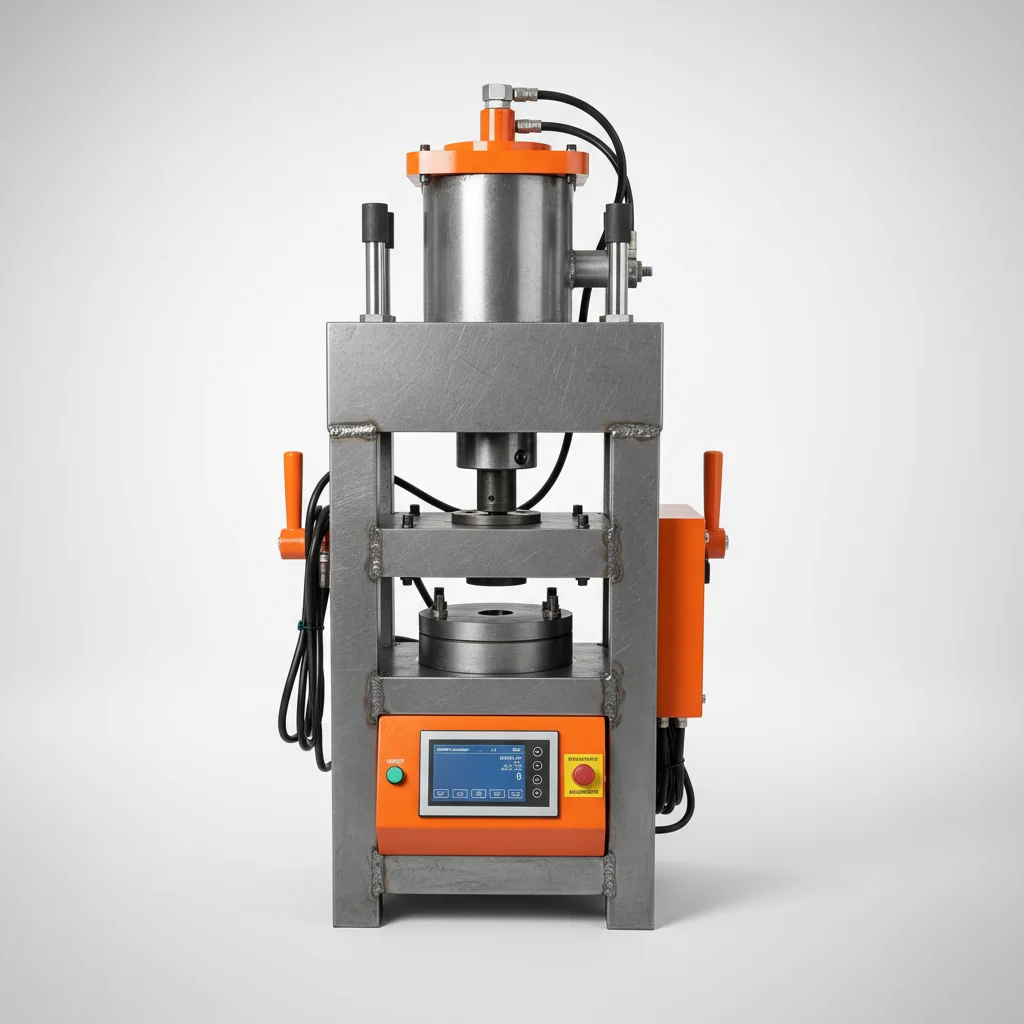
The need for robust and reliable infrastructure is paramount globally, and a crucial component of this is thorough soil testing. The CBR Test Machine plays a vital role in determining the bearing capacity of soil, a key factor in the design and construction of roads, highways, runways, and building foundations. Understanding the principles and applications of this machine is essential for civil engineers, geotechnical specialists, and construction professionals worldwide.
Globally, infrastructure development is surging, particularly in emerging economies. The World Bank estimates trillions of dollars are needed to meet infrastructure demands by 2050. Accurate soil analysis, facilitated by the CBR Test Machine, is crucial to ensuring these projects are safe, durable, and cost-effective. The reliability of infrastructure directly impacts economic growth, public safety, and quality of life.
The CBR Test Machine addresses the significant challenge of unpredictable soil conditions that can lead to project delays, increased costs, and even catastrophic failures. It provides a standardized method for evaluating soil strength, allowing engineers to make informed decisions about appropriate construction techniques and material selection. Investing in quality CBR testing equipment, like those offered by CZ Lab Instrument, is a proactive step toward building sustainable and resilient infrastructure.
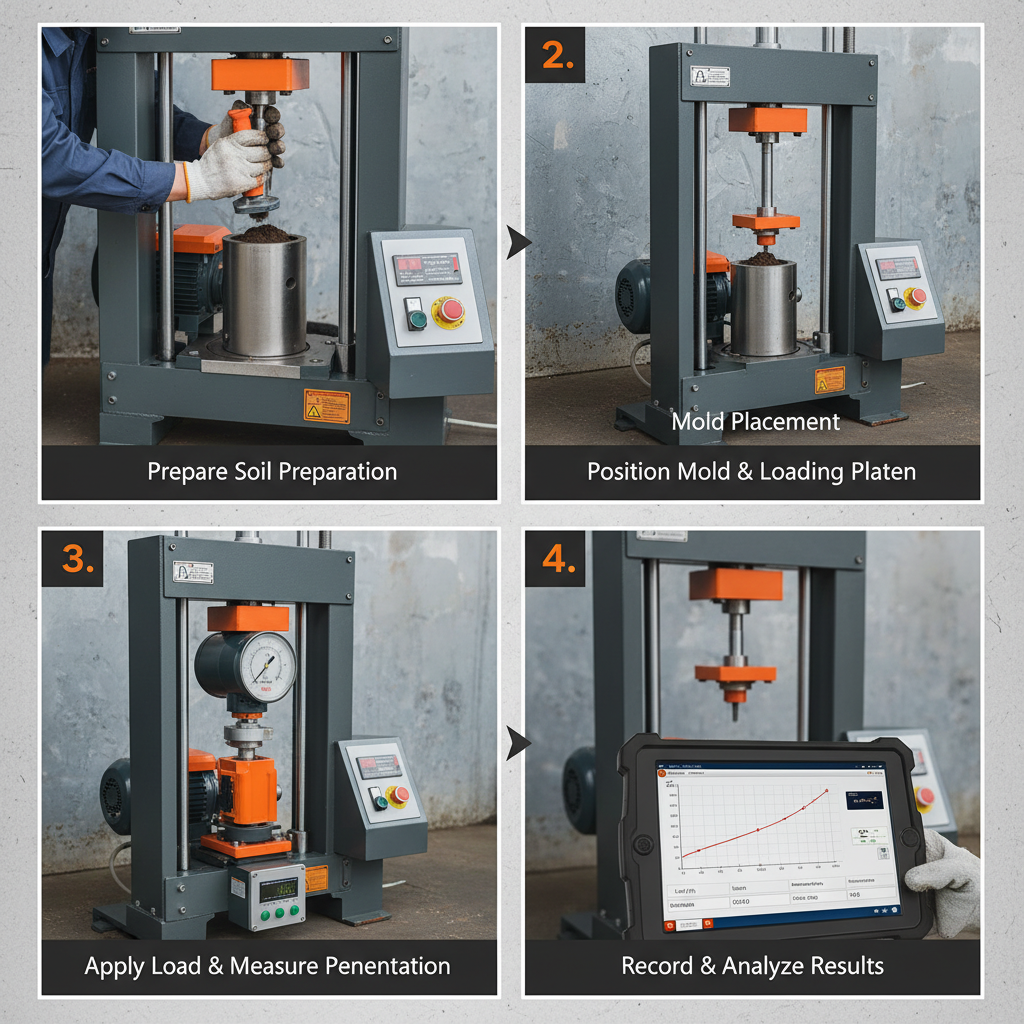
Introduction to CBR Test Machine
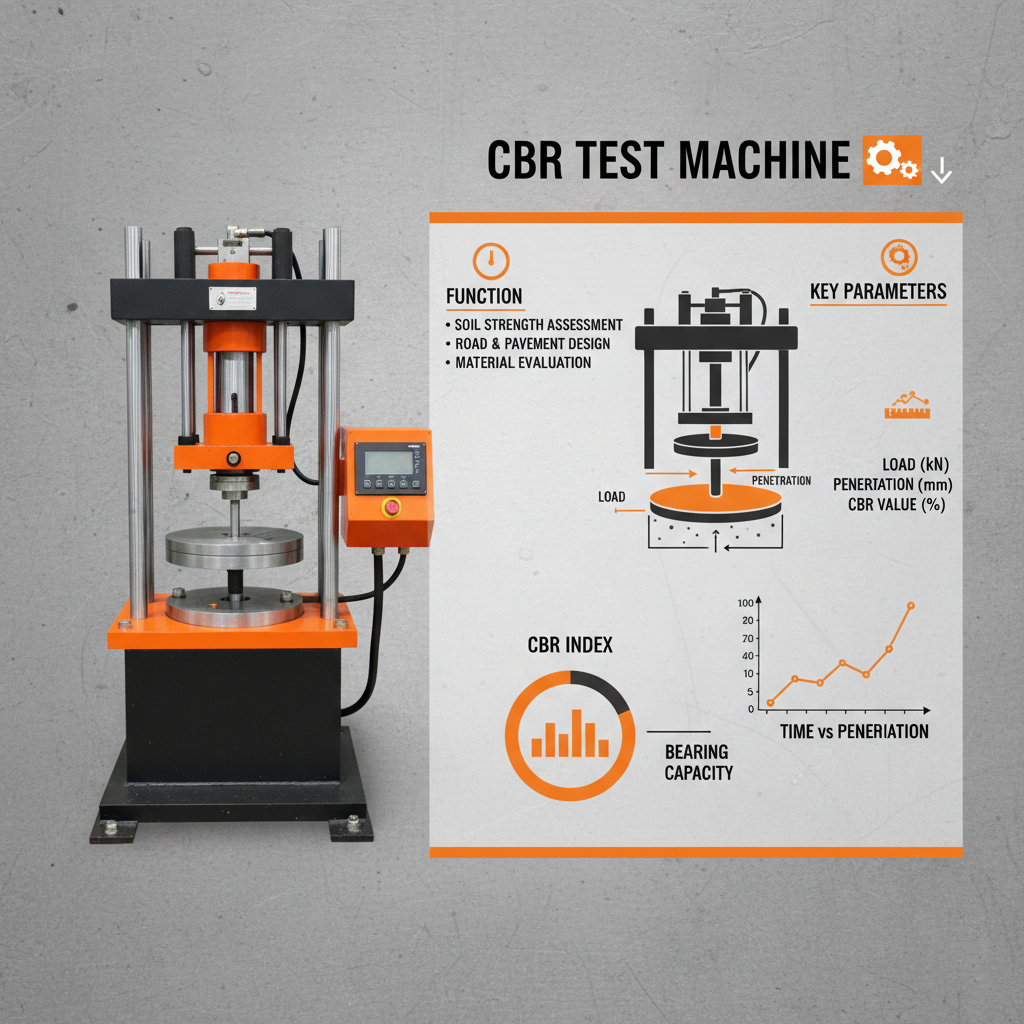
The California Bearing Ratio (CBR) test, and the CBR Test Machine used to perform it, has become a cornerstone of geotechnical engineering. Developed in the 1930s by the California Division of Highways, its primary purpose is to assess the strength of subgrade soil and base materials. This assessment directly informs pavement design, ensuring roads and runways can withstand traffic loads without excessive deformation or failure.
Modern CBR Test Machine designs incorporate advanced features like automated loading systems and data acquisition, increasing accuracy and efficiency. However, the fundamental principles remain the same: to determine the relative bearing capacity of a soil sample compared to a standard crushed stone material. This standardized approach is crucial for ensuring consistency and comparability of results across different projects and locations.
FAQS
The primary purpose of a California Bearing Ratio (CBR) test is to determine the strength of soil, specifically its ability to bear the load of a pavement structure. This is achieved by evaluating the soil’s resistance to penetration when compared to a standard crushed stone material. The resulting CBR value is crucial for designing roads, runways, and foundations that can withstand traffic and structural loads without excessive deformation or failure, minimizing long-term maintenance costs and ensuring safety.
Moisture content significantly impacts CBR values. Generally, as moisture content increases, the CBR value decreases, particularly in cohesive soils like clays. Water reduces the interparticle friction and cohesion, making the soil weaker and less able to support loads. Accurate moisture content measurement and control during testing are therefore critical for obtaining reliable CBR results, ensuring appropriate pavement design and construction.
Laboratory CBR testing provides highly controlled conditions, allowing for precise measurement and repeatability. However, it involves undisturbed soil samples, which can be challenging to obtain without altering their structure. Field CBR testing, performed directly in-situ, is quicker and avoids sample disturbance, but is more susceptible to variations in soil conditions and testing procedures. Both methods are valuable, often used in conjunction to provide a comprehensive assessment.
A wide range of projects benefit from CBR testing. These include road and highway construction, airport runway development, building foundation design, dam construction, and any project involving soil stabilization or earthworks. Properly assessing soil bearing capacity through CBR testing ensures structural integrity, minimizes construction costs, and enhances the long-term performance and safety of these projects.
The frequency of CBR testing depends on the project's scope, soil variability, and local regulations. Typically, CBR testing is conducted before construction to establish baseline soil conditions. It's then repeated at various stages – such as after excavation, during subgrade preparation, and after compaction – to ensure the soil meets the required specifications. Regular monitoring helps maintain quality control and prevents potential issues later in the project.
The CBR Test Machine is instrumental in quality control by providing consistent and repeatable measurements of soil strength. It allows engineers to verify that the soil meets the specified requirements for compaction, stability, and bearing capacity throughout the construction process. By identifying and addressing any deviations from the standards, the machine helps ensure the long-term performance and durability of the infrastructure.
Conclusion
The CBR Test Machine remains an indispensable tool for geotechnical engineers and construction professionals worldwide. Its ability to accurately assess soil bearing capacity is paramount to ensuring the safety, durability, and cost-effectiveness of infrastructure projects. From roads and runways to building foundations and dams, the data provided by CBR testing informs critical design decisions and minimizes the risk of failure.
Investing in high-quality CBR Test Machine equipment and adhering to standardized testing procedures are essential for building a resilient and sustainable future. As technology continues to advance, we can expect to see further innovations in CBR testing, leading to even more efficient and reliable methods for evaluating soil strength and optimizing infrastructure development.
Related Posts
-
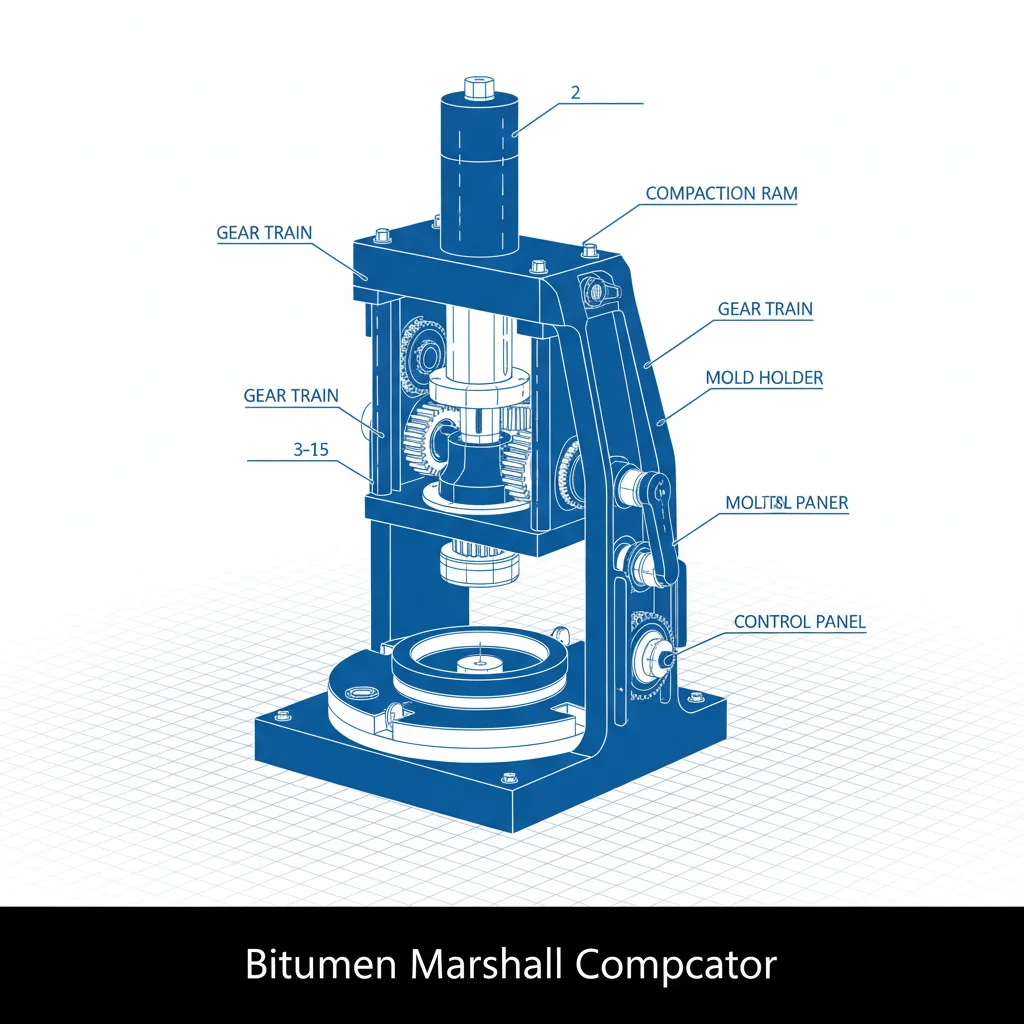
Bitumen Marshall Compactor Impact on Global Road Infrastructure Development
-
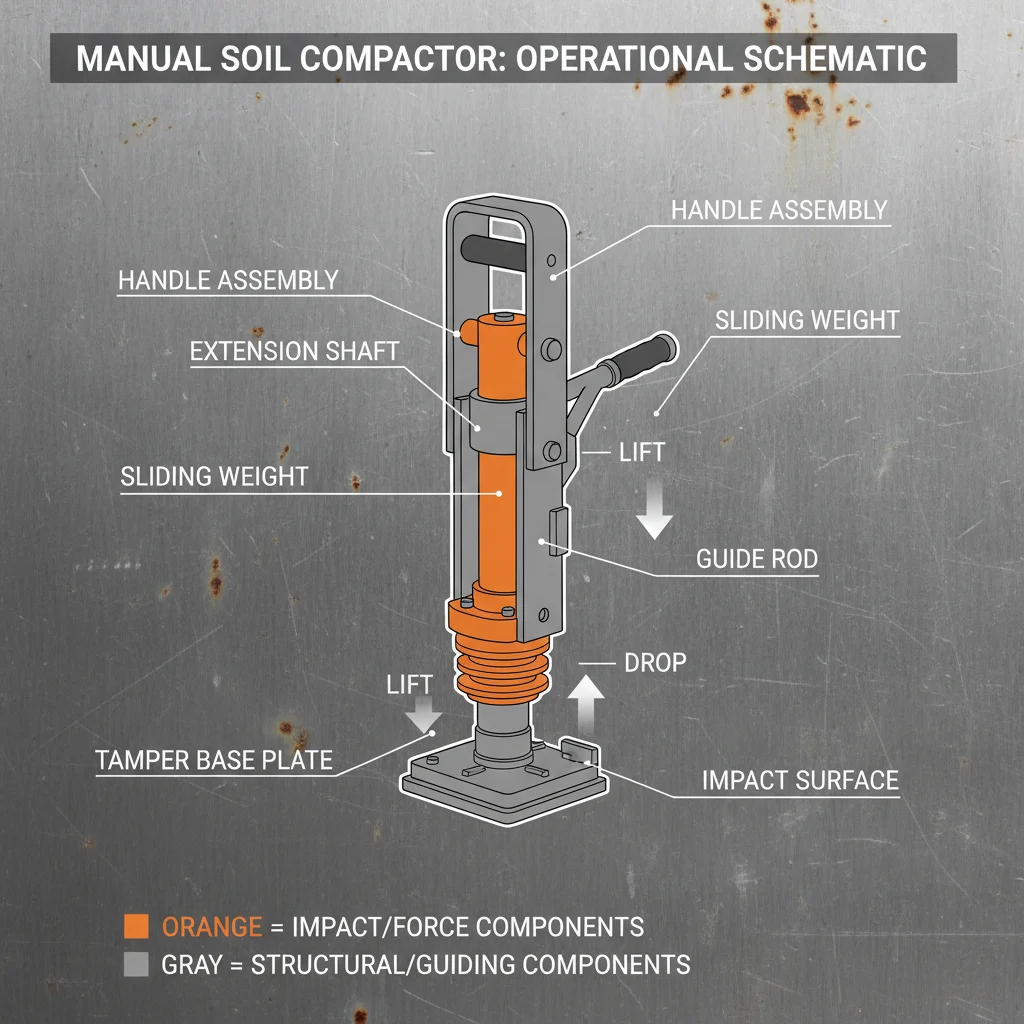
Comprehensive Guide to Manual Soil Compactor Applications and Effectiveness
-
Automatic Marshall Compactor Revolutionizing Road Construction and Material Testing
-
Comprehensive Guide to Laboratory Drying Ovens for Precise Lab Applications